🌵 Step-by-Step Guide for How to Plant Rebutia Cactus
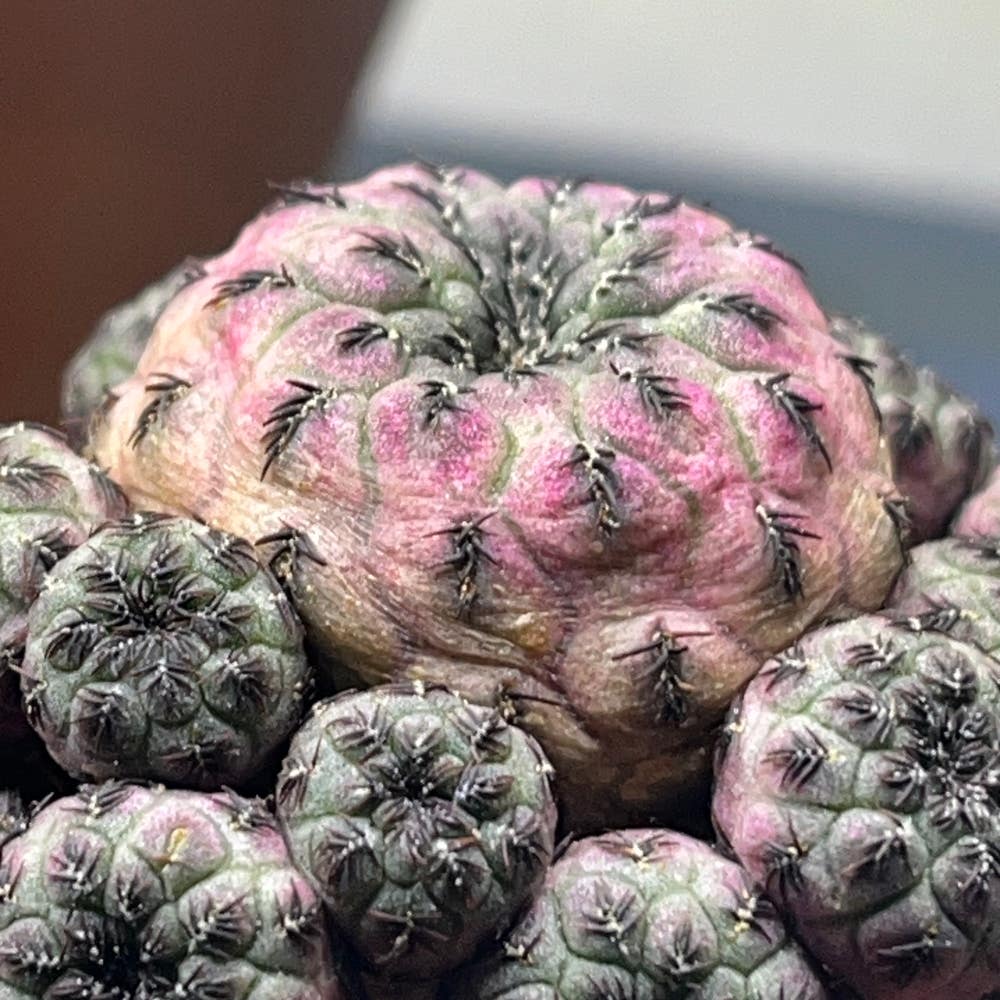
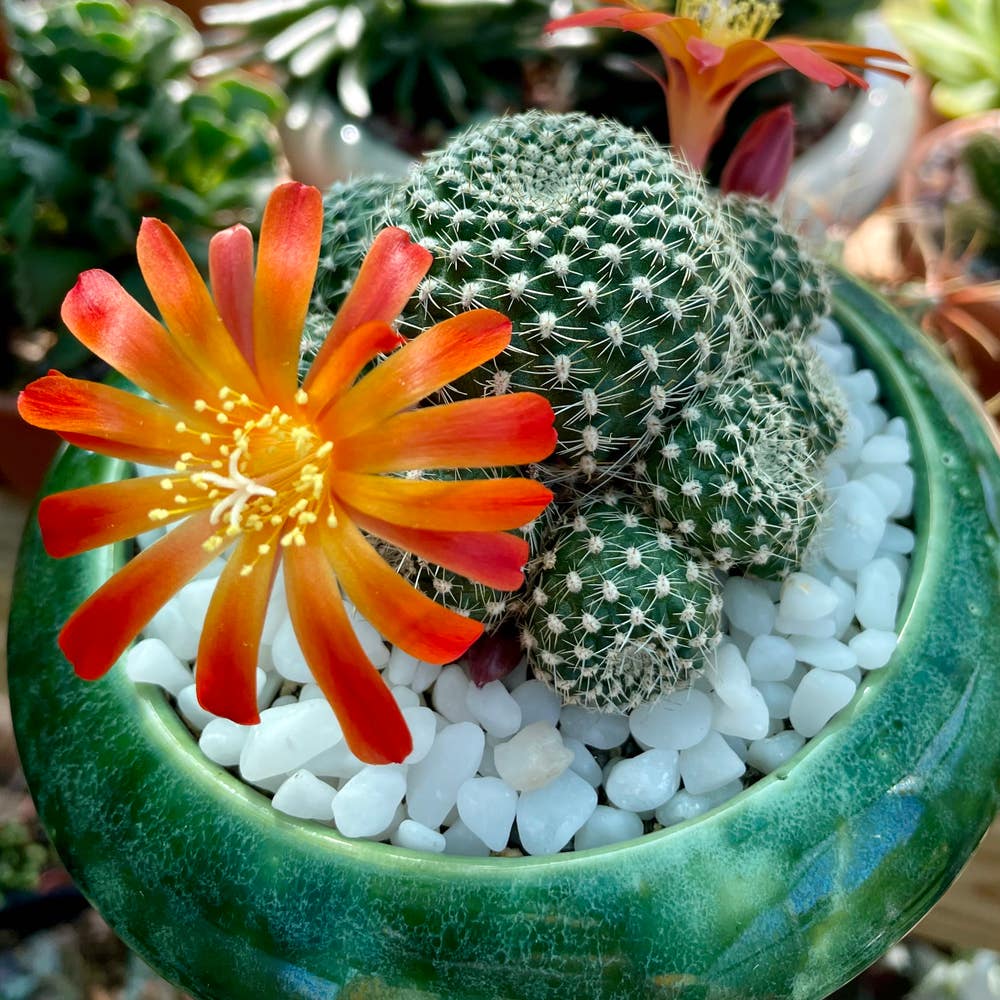
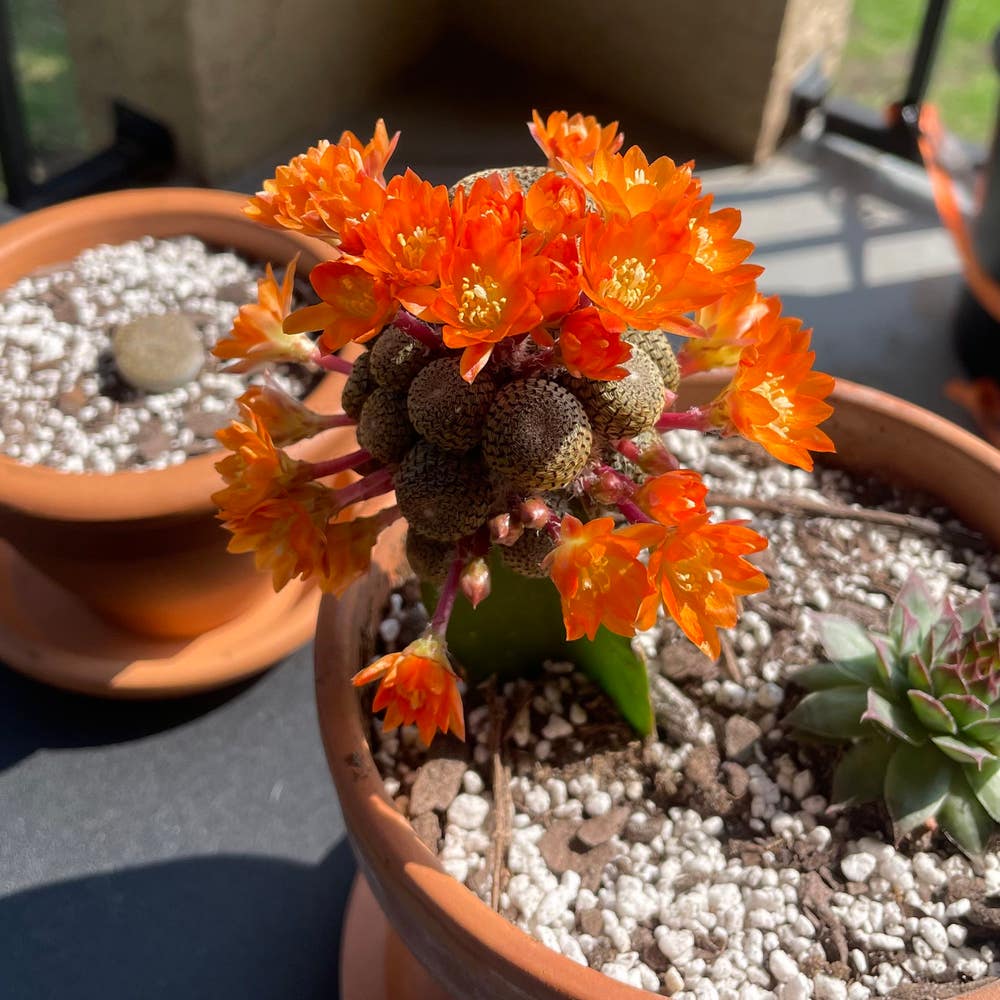
Rebutia fulviseta
By the Greg Editorial Team
Sep 30, 2024•6 min read
This article was created with the help of AI so we can cover more plants for you. May contain errors. See one? Report it here.
Unlock vibrant growth and stunning blooms 🌸 by mastering essential cactus planting techniques for your garden!
- 🌵 Proper planting techniques ensure healthy, flowering Rebutia cacti.
- 🌞 Spring is the best time to plant for optimal growth.
- 🧤 Use gloves and well-draining soil to prevent root rot and injury.
Importance of Proper Planting Techniques
🌱 Impact on Growth and Flowering
Proper planting techniques are crucial for the health and vitality of your Rebutia cactus. When done right, these methods can prevent common issues like transplant shock and establishment problems.
Transplant shock can lead to wilting or stunted growth, which no gardener wants to see. By ensuring your cactus is planted correctly, you set the stage for vibrant growth and stunning blooms.
Establishing a strong foundation for your cactus not only enhances its resilience but also maximizes its flowering potential. Healthy plants are more likely to thrive and produce those beautiful flowers that make cacti so appealing.
In summary, investing time in proper planting techniques pays off in the long run. Your Rebutia cactus will thank you with robust growth and a spectacular display of flowers.
Next, let’s explore the differences between planting new cacti and transplanting established ones.
New Planting vs. Transplanting Established Plants
🌵 Benefits of Planting New Cactus
Planting new cactus can be a cost-effective choice for novice gardeners. It allows for greater adaptability to local growing conditions and offers a wide variety of species to choose from.
New cacti often thrive better in their new environment, as they haven't yet established a previous growing condition. This flexibility can lead to healthier plants that are more suited to your specific climate.
⚠️ Drawbacks of Planting New Cactus
However, planting new cactus does come with some drawbacks. One major consideration is the longer time it takes for these young plants to mature and flower.
Additionally, young cacti require more initial care, including consistent watering and protection from harsh conditions, which can be a challenge for beginners.
🌟 Benefits of Transplanting Established Cactus
On the flip side, transplanting established cactus offers immediate visual impact in your garden. These plants have already developed root systems, allowing for quicker adaptation to their new surroundings.
This means you can enjoy the beauty of your cactus sooner, making it a great option for those looking to enhance their garden quickly.
⚠️ Drawbacks of Transplanting Established Cactus
Yet, transplanting established cactus isn't without its risks. One significant concern is the potential for transplant shock, which can lead to wilting or stunted growth.
Moreover, there's always a chance of root damage during the transplanting process, which can hinder the plant's recovery and overall health.
Understanding these pros and cons will help you make an informed decision on whether to plant new cacti or transplant established ones. Each option has its unique benefits and challenges, so consider your gardening goals carefully.
Key Steps for Planting New Cactus
🌱 Optimal Timing for Planting
The best time to plant new cactus is during spring or early summer. This timing aligns perfectly with the cactus growth cycle, allowing your new plants to thrive.
Consider your local climate conditions as well. If you're in a cooler area, wait until the risk of frost has passed.
🪴 Selecting the Appropriate Soil Mix and Containers
For optimal growth, use a well-draining cactus soil mix. This ensures that excess moisture drains away, preventing root rot.
Terracotta pots are ideal for cactus planting. They provide breathability and excellent drainage, which is crucial for healthy root development.
📏 Proper Depth and Spacing for Planting
When planting, ensure the cactus is level with the soil surface. This positioning helps prevent water accumulation around the base.
Space your cacti 6-12 inches apart, depending on the variety. This spacing allows each plant to receive adequate sunlight and nutrients.
☀️ Tips for Maintaining Ideal Growing Conditions
Cacti thrive in full sun exposure, requiring 6-8 hours of sunlight daily. Position your plants where they can soak up those rays.
Temperature is also key; aim for warm conditions between 20°C to 30°C (68°F to 86°F). This range supports optimal growth and flowering.
🌤️ Hardening Off Process Before Outdoor Planting
Before planting outdoors, gradually expose your cactus to outdoor conditions over 1-2 weeks. This process helps them acclimate to their new environment.
Keep an eye out for signs of stress during this period. If you notice any wilting or discoloration, adjust their exposure accordingly.
With these steps, you’re well on your way to successfully planting new cacti. Next, let’s explore the key steps for transplanting established cactus for those looking to refresh their garden.
Key Steps for Transplanting Established Cactus
🌱 Optimal Timing for Transplanting
Spring is the ideal time for transplanting established cacti. This aligns with their active growth phase, allowing them to adapt more easily.
Avoid transplanting during extreme temperatures or frost, as this can stress the plant and hinder its recovery.
📝 Step-by-Step Instructions for Transplanting
Removing the Plant from Its Current Location
- Water the cactus a few days before you plan to transplant. This helps ease its removal.
- Always wear gloves to protect your hands from the spines.
- Gently loosen the soil around the base of the cactus.
- Carefully lift the cactus from its current location or container.
Preparing the New Planting Site
- Select a well-draining location or container for your cactus.
- Amend the soil with sand or perlite to enhance drainage.
- Dig a hole that is twice the width of the root ball to give it room to grow.
Ensuring Proper Placement and Spacing
Position the cactus at the same depth it was previously growing.
Maintain a spacing of 6-12 inches between plants to allow for healthy growth.
💧 Tips for Watering, Mulching, and Providing Support
After transplanting, water the cactus minimally to prevent root rot.
Use gravel or small stones as mulch to retain moisture and deter weeds.
If your cactus is taller, consider using stakes for support until it establishes itself.
With these steps, your established cactus will thrive in its new home, ready to bring beauty to your garden.
Troubleshooting Common Issues
Identifying and Addressing Transplant Shock 🌵
Transplant shock can be a real hurdle for your cactus. Look out for symptoms like wilting, discoloration, or stunted growth.
To combat this, ensure proper watering. Avoid direct sunlight immediately after transplanting to help your cactus acclimate.
Solutions for Establishment Problems 🛠️
If your cactus shows signs of poor establishment, such as yellowing leaves or a lack of growth, it’s time to take action.
Check the soil moisture and adjust light exposure. Ensuring proper drainage is also crucial for a healthy start.
General Care Tips for Newly Planted or Transplanted Cactus 🌱
Regular monitoring is key to keeping your cactus thriving. Watch for pests and diseases that can sneak in during the establishment phase.
Adapt your care based on seasonal changes and growth patterns. This proactive approach will help your cactus flourish in its new home.
With these troubleshooting tips, you’re well-equipped to nurture your cactus through its early stages. Next, let’s explore how to maintain optimal growing conditions for your plants.
⚠️ Safety First
This content is for general information and may contain errors, omissions, or outdated details. It is not medical, veterinary advice, or an endorsement of therapeutic claims.
Always consult a qualified healthcare professional before using any plant as food, medicine, or supplement.
Never eat any plant (or feed one to pets) without confirming its identity with at least two trusted sources.
If you suspect poisoning, call Poison Control (800) 222-1222, the Pet Poison Helpline (800) 213-6680, or your local emergency service immediately.
Spotted an error? Please report it here.
Plant your Rebutia cactus like a pro 🌵 with Greg's tailored care reminders and expert tips to ensure it thrives and blooms beautifully!