🌞 Light Requirements For My Rebutia fulviseta
Rebutia fulviseta
By the Greg Editorial Team
Mar 26, 2024•5 min read
This article was created with the help of AI so we can cover more plants for you. May contain errors. See one? Report it here.
Nurture a blooming Rebutia fulviseta 🌵 by mastering its precise sunlight needs for vibrant health!
- 5-6 hours of direct sunlight needed; afternoon shade prevents sunburn.
- 🌵 South-facing windows best indoors, but east/west can work with adjustments.
- Grow lights supplement natural light, promoting growth and blooming.
Soaking Up the Sun: Outdoor Light Done Right
🌞 Ideal Hours of Direct Sunlight
The sweet spot for your Rebutia fulviseta's sunbathing is a non-negotiable 5-6 hours of direct sunlight. Aim for the gentle embrace of the morning sun, with the plant catching those early rays on the east or southeast side of your space.
🏜️ When to Seek Shade
As the day heats up, your cactus prefers to play it cool. Afternoon shade is essential to prevent a sunburned succulent. Use natural or artificial structures to create a dappled light effect, mimicking the cactus's native highland conditions.
🌅 Acclimation Tips for Direct Sunlight
Transitioning your Rebutia fulviseta to the outdoors? Take it slow. Gradual exposure is key to avoid shocking your spiky friend. Think of it as a cactus's version of dipping toes in the water before diving in.
🌤 Seasonal Considerations for Light Exposure
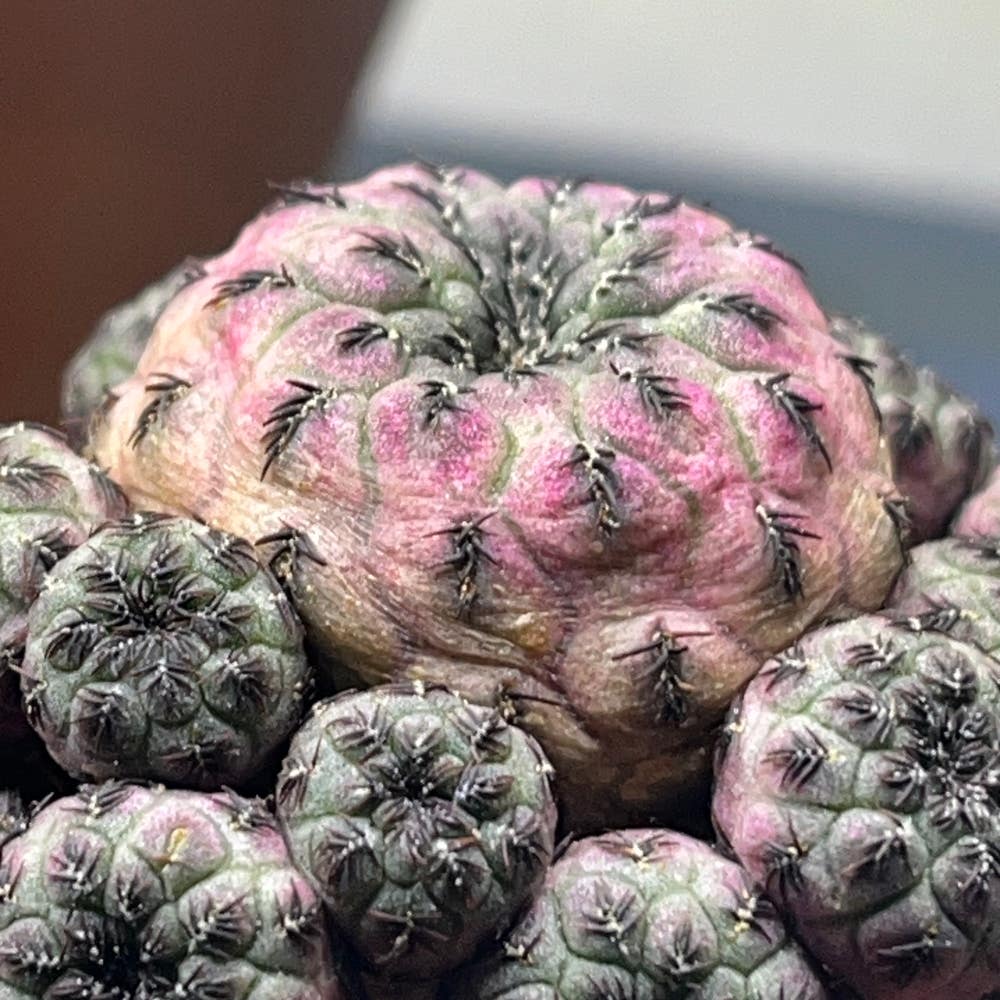
With the changing seasons, your cactus's light needs shift. In the shorter days of fall and winter, let it soak up all the sunshine it can handle. Come summer, though, it's all about finding that perfect balance to avoid midday intensity. Keep an eye out for pale or scorched patches—signs you've overdone it.
Basking Indoors: Navigating Indoor Light Needs
🌞 Finding the Perfect Indoor Spot
South-facing windows are the gold standard for your Rebutia fulviseta, serving up a consistent buffet of bright rays. But let's not snub east or west-facing windows; they're more than just consolation prizes, offering a decent dose of sunshine, especially when south-facing isn't in your architectural cards. Keep your cactus within 3 feet of these windows to avoid the melodrama of sunburn or shade-induced growth spurts.
📏 Distance from Light Sources
It's a game of inches, not miles. Position your Rebutia fulviseta less than a foot from a window to ensure it's basking in solar glory. No south window? No panic. Get inventive with reflective surfaces to scatter light like a disco ball, or step into the role of a sun deity with a grow light—but don't fry your cactus with overzealous artificial sun worship.
💡 When Natural Light Isn't Enough
Your cactus will tell you when it's had enough of the dark. Look for signs like leggy growth or a complexion that's more ghostly than glowing. These are your Rebutia fulviseta's way of saying, "I could use a sunnier disposition." If your abode feels more like a cave than a greenhouse, it's time to consider a grow light to give your plant the lumens it's longing for.
🔄 Making the Most of Available Light
If your cactus is throwing shade rather than soaking it up, it's time to act. Rotate your plant regularly to ensure even growth and prevent it from leaning towards the light like a sunflower on a sunny day. And remember, sheer curtains are not just for nosy neighbors; they're your cactus's best friend, diffusing light to prevent a sunburn while still letting in those sweet, sweet rays.
Let There Be Light: Choosing and Using Grow Lights
💡 Why Consider Grow Lights
Grow lights are a game-changer for your Rebutia fulviseta, especially when the sun's rays are as scarce as hen's teeth. They're the indoor sun substitute, ensuring your cactus doesn't throw a fit from light deprivation.
💡 Picking the Right Grow Light
LED vs. Fluorescent
LED lights are the cool kids on the block, energy-efficient and long-lasting. They mimic the sun without throwing a sauna party. Fluorescent options, like T5 bulbs, are the old faithful; they're cheaper but need frequent replacing and can run hotter.
💡 Understanding Light Spectrum Needs
Full-spectrum LEDs are the golden ticket, offering a buffet of wavelengths akin to the sun's output. Your Rebutia fulviseta will lap up this light like a cat with cream.
💡 Setting Up Your Grow Light System
Placement and Distance
Position your grow lights like you're setting up a photoshoot—aim for the spotlight but avoid a tan. Too close and you risk sunburn; too far and your cactus might as well be in a cave.
💡 Timing is Everything
Light schedules are not just for trains. 12 to 14 hours should mimic the natural day, keeping your Rebutia's growth on track and potentially leading to a blooming fiesta.
Light and Flowers: Encouraging Rebutia fulviseta to Bloom
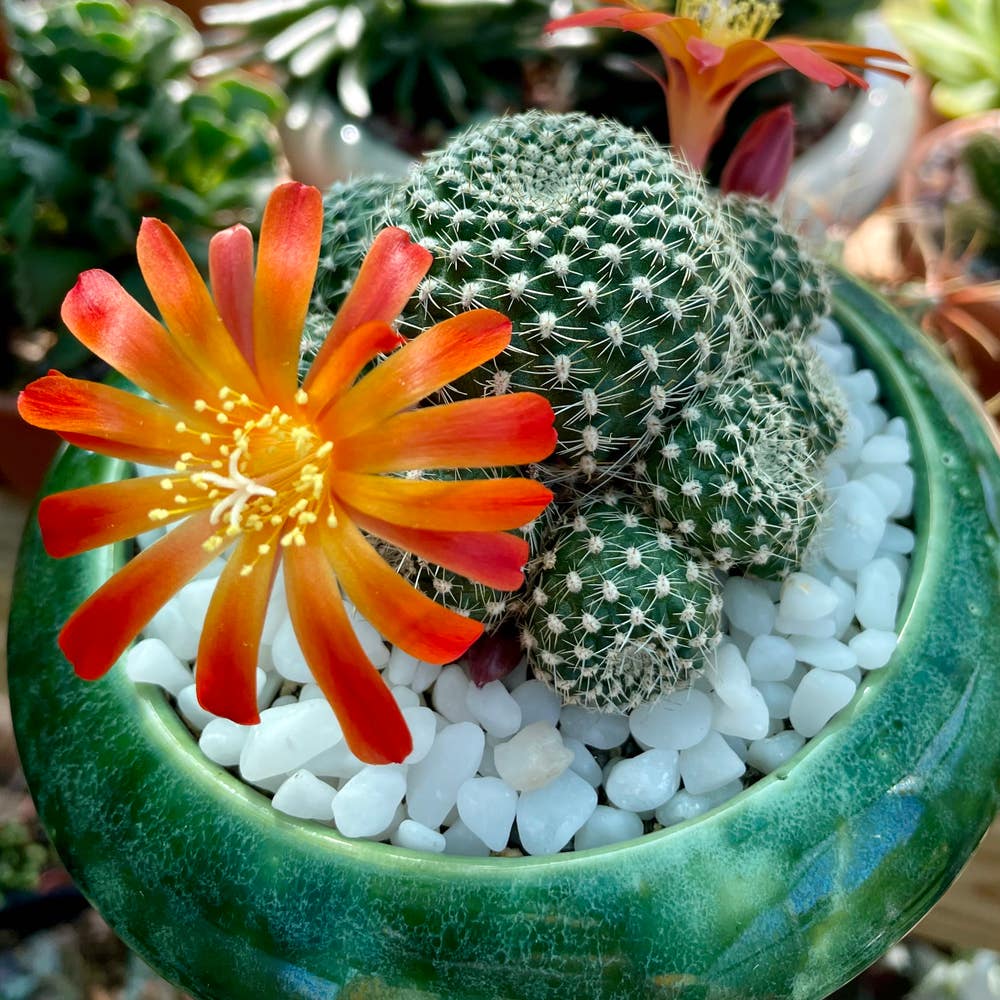
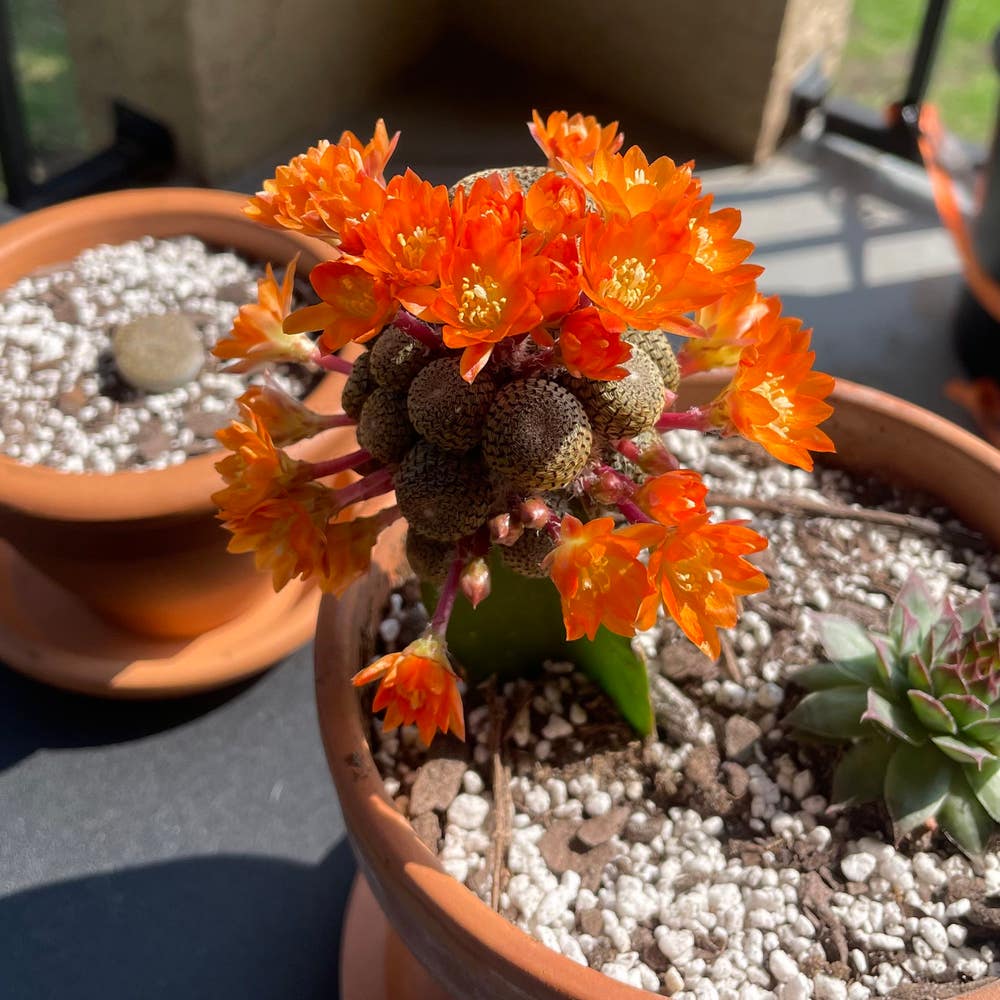
Light is the conductor of the flowering orchestra for Rebutia fulviseta. Without the right intensity and duration, your cactus might as well forget about putting on a floral show.
💡 The Importance of Light Intensity and Duration
Intensity matters. Your Rebutia fulviseta needs bright light to trigger the blooming process. If the light is too dim, the cactus may stay stubbornly flowerless. Aim for a spot that bathes your plant in generous sunlight, mimicking its natural high-altitude habitat.
Duration is equally crucial. These cacti are attuned to the lengthening daylight of spring to kickstart their flowering. Ensure they get a full day's worth of light, especially as the seasons change.
💡 Adjusting Light Conditions to Promote Blooming
If your indoor lighting is more 'mood' than 'grow', consider a change. Move your cactus closer to a south-facing window where the sun is a constant companion.
In the absence of sufficient natural light, don't shy away from grow lights. They can be the difference between a cactus that's merely surviving and one that's thriving with flowers. Set them up to mimic natural light patterns, with longer periods of light during the day.
Remember, the Rebutia fulviseta is a sun worshipper at heart. Give it the light it craves, and it will reward you with a crown of blooms.
⚠️ Safety First
This content is for general information and may contain errors, omissions, or outdated details. It is not medical, veterinary advice, or an endorsement of therapeutic claims.
Always consult a qualified healthcare professional before using any plant as food, medicine, or supplement.
Never eat any plant (or feed one to pets) without confirming its identity with at least two trusted sources.
If you suspect poisoning, call Poison Control (800) 222-1222, the Pet Poison Helpline (800) 213-6680, or your local emergency service immediately.
Spotted an error? Please report it here.
Watch your Rebutia fulviseta flourish 🌵 with Greg's reminders for optimal light exposure, ensuring your cactus blooms beautifully without the guesswork.