Should I Repot My Rebutia fulviseta?
Rebutia fulviseta
By the Greg Editorial Team
Mar 26, 2024•4 min read
This article was created with the help of AI so we can cover more plants for you. May contain errors. See one? Report it here.
Ensure your Rebutia fulviseta's vibrant growth with timely repotting insights—your cactus's future depends on it! 🌵✨
- Roots peeking out? Time to repot your Rebutia fulviseta.
- 🌵 Spring into action: Best season for repotting is spring or early summer.
- Choose the right pot: 1-2 inches larger with good drainage.
Spotting the Telltale Signs for Repotting
🌱 Root Revelations
When your Rebutia fulviseta's roots peek out from the drainage holes, it's not just exploring; it's cramped. A root tangle at the pot's bottom is a silent SOS for more space.
Growth and Health Clues
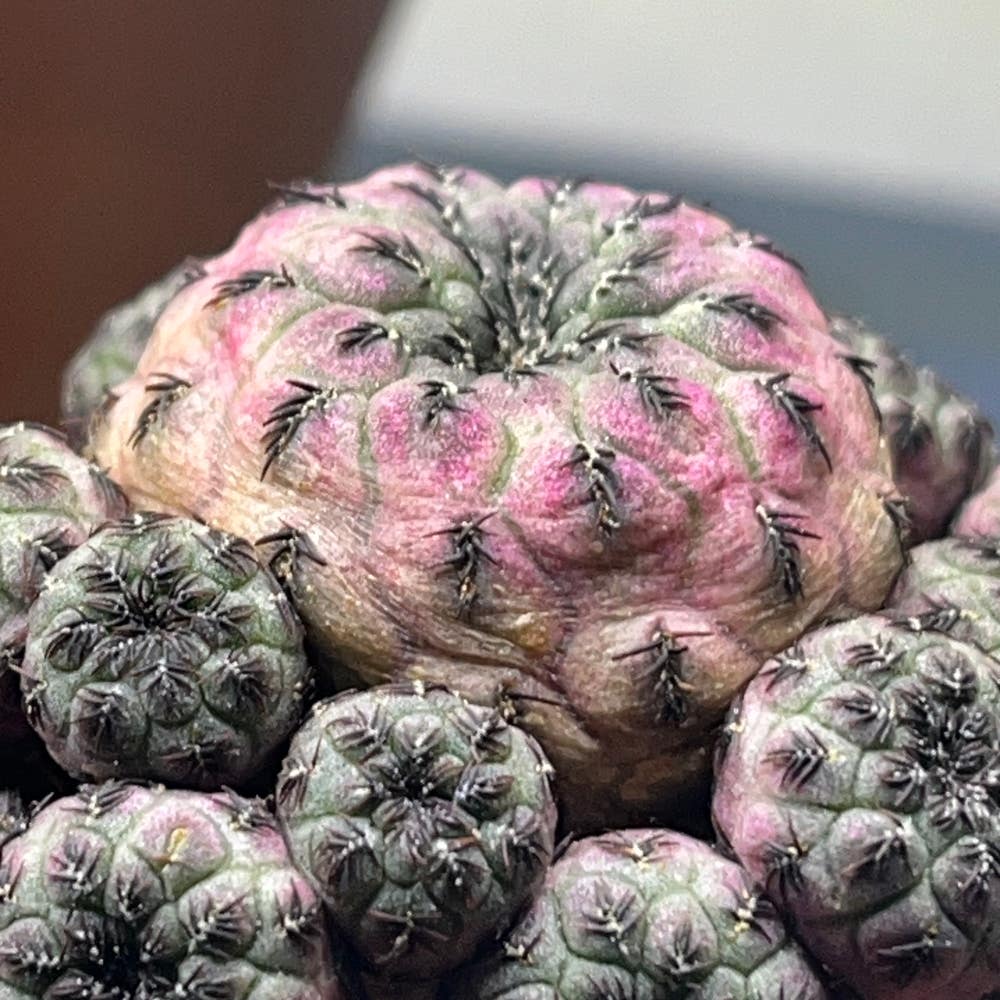
Slowed growth or a health downturn in your Rebutia isn't laziness; it's a plea for a new pot. Overcrowding, especially with its tendency to cluster, is a clear sign it's time to upsize.
Choosing the Right Time to Repot
📅 Seasonal Timing
Spring is the golden ticket for repotting Rebutia fulviseta. This season is nature's green light, signaling your cactus to exit its winter snooze and kick into growth gear. If you've missed the spring window, early summer can pinch-hit, but avoid the peak heat waves. For those in chillier climates, wait until Jack Frost has packed his bags.
Plant Lifecycle Considerations
Aligning repotting with your Rebutia's growth cycle isn't just smart; it's crucial. Early spring, as the cactus shakes off dormancy, is prime time. This is when your spiky friend is most receptive to change, making the most of the longer days and warmer temperatures. If your Rebutia is a bit of a drama queen and showing signs of stress, don't wait for the perfect moment. Sometimes, immediate action trumps perfect timing.
The Repotting Rundown
🌵 Gently Uprooting Your Rebutia
To safely extract your Rebutia fulviseta, first ensure the soil is bone-dry to avoid root damage. Gently tilt the pot and ease the cactus out by supporting its base. If it's stubborn, a light tap on the pot's bottom may help. Avoid manhandling; treat the spines with respect—kitchen tongs or folded newspaper can be your allies here.
🏺 Prepping the Perfect Pot
Size matters when selecting a new pot for your Rebutia fulviseta. Choose one that's just 1-2 inches larger in diameter than the current one, ensuring room for growth without drowning the roots in excess soil. Ensure it has drainage holes; if not, get ready to drill. Prevent soil escape by covering these holes with mesh.
🌱 Soil Selection and Setup
For the Rebutia fulviseta, a well-draining potting mix is non-negotiable. Combine equal parts potting soil, compost, and perlite for the ideal mix. When repotting, inspect the roots—trim any dark or mushy parts. Place a layer of soil in the new pot, position your cactus, and backfill gently. Resist watering immediately to let the roots settle and reduce rot risk.
Picking the Perfect Pot
🏺 Material Matters
Terracotta, plastic, and ceramic are the mainstays for cactus pots. Terracotta is the go-to for breathability, letting soil and roots breathe easy, but it's a heavyweight in the garden. Plastic is the light option, keeping moisture hugged tight, yet it's prone to waterlogging if you're generous with the watering can. Ceramic strikes a balance, offering style and a bit more moisture retention, but don't forget those drainage holes.
🚰 Drainage Decisions
The importance of drainage can't be overstated—it's the life preserver for your cactus's roots. Without proper drainage, you're setting the stage for root rot. Whether you choose terracotta, plastic, or ceramic, ensure there's a clear escape route for excess water. If your dream pot lacks holes, grab a drill and make them; your Rebutia fulviseta will thank you.
Post-Repotting Care
💧 Watering Wisdom
After repotting, your Rebutia fulviseta's roots are vulnerable, so watering must be precise. Moist soil is the goal, not a swamp or a desert. Before you water, check if the soil is dry an inch below the surface. Adjust your watering habits to the new conditions; your cactus's needs may have shifted in its fresh pot.
Settling In
Help your cactus acclimate by keeping an eye out for stress signals like wilting or discoloration. These are red flags. Conversely, new growth is a high-five from your plant. Remember, cacti prefer less water. Ensure the pot has proper drainage; it's crucial for avoiding waterlogged soil. Keep the plant in a stable environment with consistent temperatures and indirect light to minimize transplant shock.
⚠️ Safety First
This content is for general information and may contain errors, omissions, or outdated details. It is not medical, veterinary advice, or an endorsement of therapeutic claims.
Always consult a qualified healthcare professional before using any plant as food, medicine, or supplement.
Never eat any plant (or feed one to pets) without confirming its identity with at least two trusted sources.
If you suspect poisoning, call Poison Control (800) 222-1222, the Pet Poison Helpline (800) 213-6680, or your local emergency service immediately.
Spotted an error? Please report it here.
Ensure your Rebutia fulviseta's successful repotting 🌱 with Greg's tailored reminders and step-by-step guidance, perfectly timed for spring growth.