🌵 8 Common Rebutia Cactus Flowering Issues
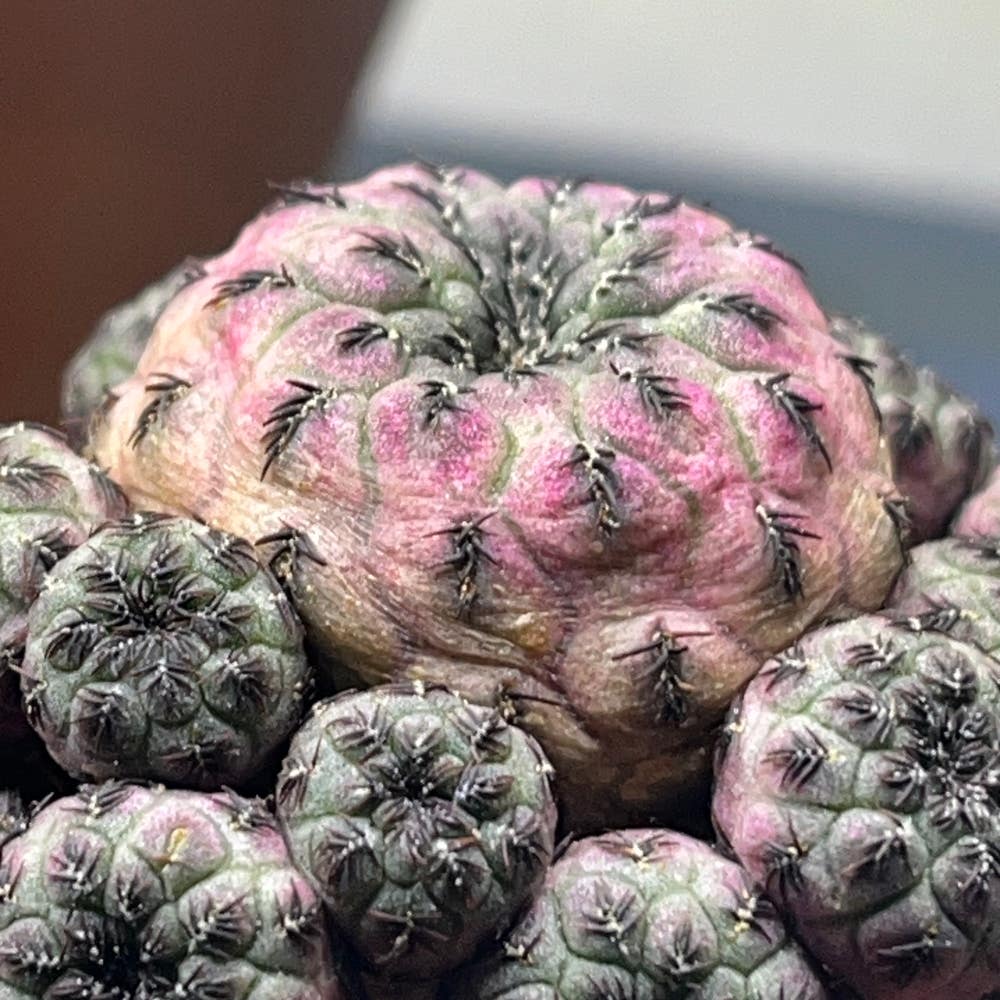
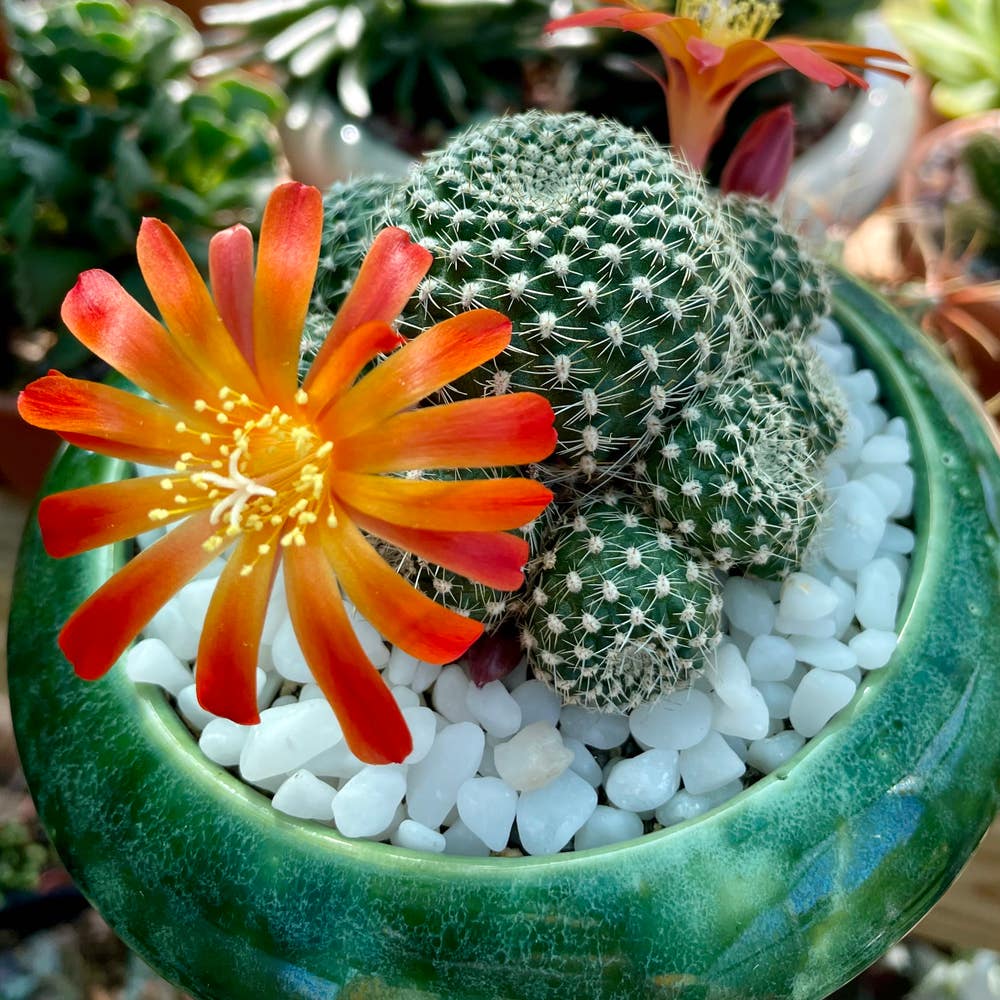
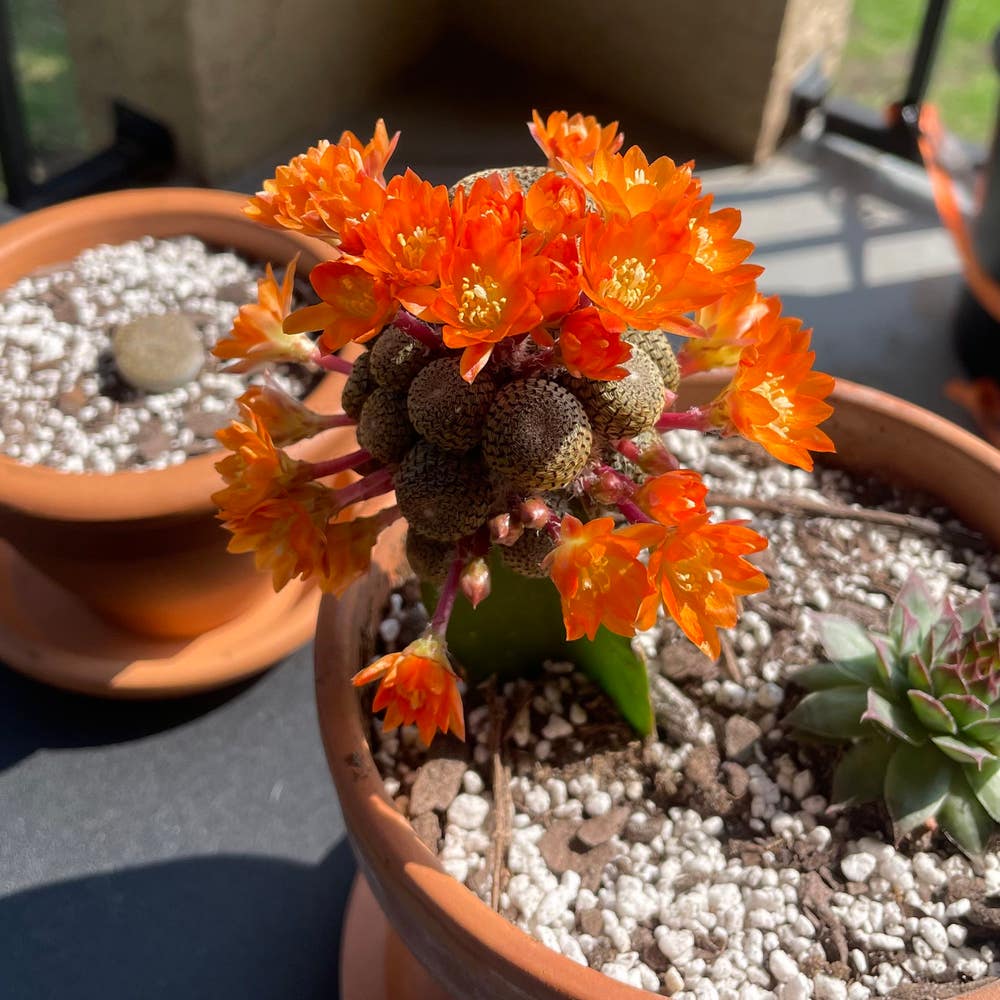
Rebutia fulviseta
By the Greg Editorial Team
Sep 30, 2024•4 min read
This article was created with the help of AI so we can cover more plants for you. May contain errors. See one? Report it here.
Master light and care techniques 🌞 to unlock stunning blooms from your Rebutia cactus! 🌸
- 🌞 Rebutia cacti need 6+ hours of bright, indirect sunlight for optimal blooms.
- 🌡️ Maintain temperatures between 20°C-25°C for daytime and above 10°C at night.
- 🌱 Patience is key; younger cacti may take 2-3 years to flower.
Failure to Bloom
🌞 Potential Causes
Light Conditions
Insufficient light exposure can significantly hinder your Rebutia cactus from blooming. These plants thrive in bright, indirect sunlight, so ensuring they receive adequate light is crucial for optimal flowering.
Temperature Factors
Temperature plays a vital role in the blooming process. Ideally, daytime temperatures should range from 20°C to 25°C (68°F to 77°F), while nighttime temperatures should not drop below 10°C (50°F).
Age of the Plant
The age of your cactus can also affect its flowering ability. Younger plants may take longer to bloom, with some varieties not flowering until they reach maturity, typically around 2 to 3 years.
💡 Solutions
Adjusting Light
To encourage blooming, consider moving your cactus to a brighter location or supplementing with grow lights. Aim for at least 6 hours of indirect sunlight daily to stimulate flower production.
Temperature Control
Monitoring and adjusting the temperature is essential. If necessary, relocate your cactus or use heating mats to maintain the ideal temperature range for blooming.
By addressing these potential causes and implementing the suggested solutions, you can help your Rebutia cactus thrive and bloom beautifully. Next, let’s explore the issue of premature flower drop and how to prevent it.
Premature Flower Drop
🌧️ Causes
Overwatering
Overwatering is a common culprit behind premature flower drop in Rebutia cacti. Excess moisture can lead to root rot, which often manifests as yellowing leaves and mushy roots.
Stress Factors
Environmental stressors can also trigger bud drop. Sudden temperature changes or pest infestations can create an unstable environment, causing your cactus to shed its flowers prematurely.
🛠️ Solutions
Proper Watering Techniques
To prevent overwatering, only water when the top inch of soil is dry. Using a well-draining soil mix is essential, and consider implementing a watering schedule that adapts to seasonal changes.
Stress Reduction
Maintaining stable environmental conditions is key. Avoid frequently moving your cactus, and regularly inspect for pests to treat any infestations promptly.
By addressing these issues, you can help ensure your Rebutia cactus thrives and produces beautiful blooms. Next, let’s explore abnormal flower development and how to tackle it effectively.
Abnormal Flower Development
🌱 Causes
Nutrient Deficiencies
Lack of essential nutrients can severely impact your Rebutia cactus's ability to bloom. Key nutrients like phosphorus and potassium are vital; without them, you might notice small, deformed flowers or even a complete lack of blooms.
Pests
Pest infestations can wreak havoc on flower quality. Common culprits like mealybugs and spider mites can sap the plant's energy, leading to subpar flower development.
💡 Solutions
Fertilization
To combat nutrient deficiencies, use a balanced cactus fertilizer during the growing season, specifically in spring and summer. An NPK ratio of 5-10-10 is recommended to promote vibrant blooms.
Pest Control
Regularly inspect your cactus for pests. If you spot any, treat them promptly with insecticidal soap or neem oil. Additionally, quarantine new plants before introducing them to your collection to prevent infestations.
By addressing these issues, you can help your Rebutia cactus thrive and produce the stunning flowers it’s capable of. Next, let’s explore the environmental factors that influence flowering.
Environmental Factors
🌞 Light Requirements
Importance of Adequate Light
Sufficient light is essential for your Rebutia cactus to bloom. These plants thrive in bright, indirect sunlight, which helps trigger their bloom cycle.
Signs of Insufficient Light
If your cactus is not getting enough light, you might notice elongated stems, a condition known as etiolation. Additionally, a lack of blooms can signal that your plant is craving more sunlight.
🍽️ Nutritional Needs
Essential Nutrients for Flowering
To support blooming, your Rebutia cactus needs key nutrients like nitrogen, phosphorus, and potassium. Micronutrients such as magnesium and calcium also play a vital role in maintaining flower health.
Ensuring your cactus receives the right nutrients can make a significant difference in its flowering success. With proper light and nutrition, your cactus will be well on its way to producing stunning blooms.
Next, let’s explore effective pruning and maintenance techniques to further enhance your cactus's flowering potential.
Pruning and Maintenance
🌿 Pruning Techniques
When and How to Prune
Pruning your Rebutia cactus is essential for encouraging new growth and future blooms. The best time to prune is right after flowering; this allows the plant to focus its energy on producing new shoots.
Use clean, sharp tools to make precise cuts. This minimizes damage and helps the plant heal quickly.
📅 Seasonal Considerations
Timing of Care Practices
Adjusting your care practices according to the bloom cycle is crucial for optimal growth. As blooming approaches, increase light exposure and nutrients to support the plant's needs.
Keep an eye on seasonal changes. Adapt your watering and fertilization schedules to ensure your cactus thrives throughout the year.
By staying attentive to these factors, you can foster a healthy environment that promotes vibrant blooms and robust growth.
⚠️ Safety First
This content is for general information and may contain errors, omissions, or outdated details. It is not medical, veterinary advice, or an endorsement of therapeutic claims.
Always consult a qualified healthcare professional before using any plant as food, medicine, or supplement.
Never eat any plant (or feed one to pets) without confirming its identity with at least two trusted sources.
If you suspect poisoning, call Poison Control (800) 222-1222, the Pet Poison Helpline (800) 213-6680, or your local emergency service immediately.
Spotted an error? Please report it here.
Get your Rebutia cactus to bloom brilliantly 🌼 by using Greg's tailored watering reminders and fertilization tips to ensure it thrives in the right light and conditions!