9 Essential Steps to Grow Healthy Rebutia Cactus 🌵
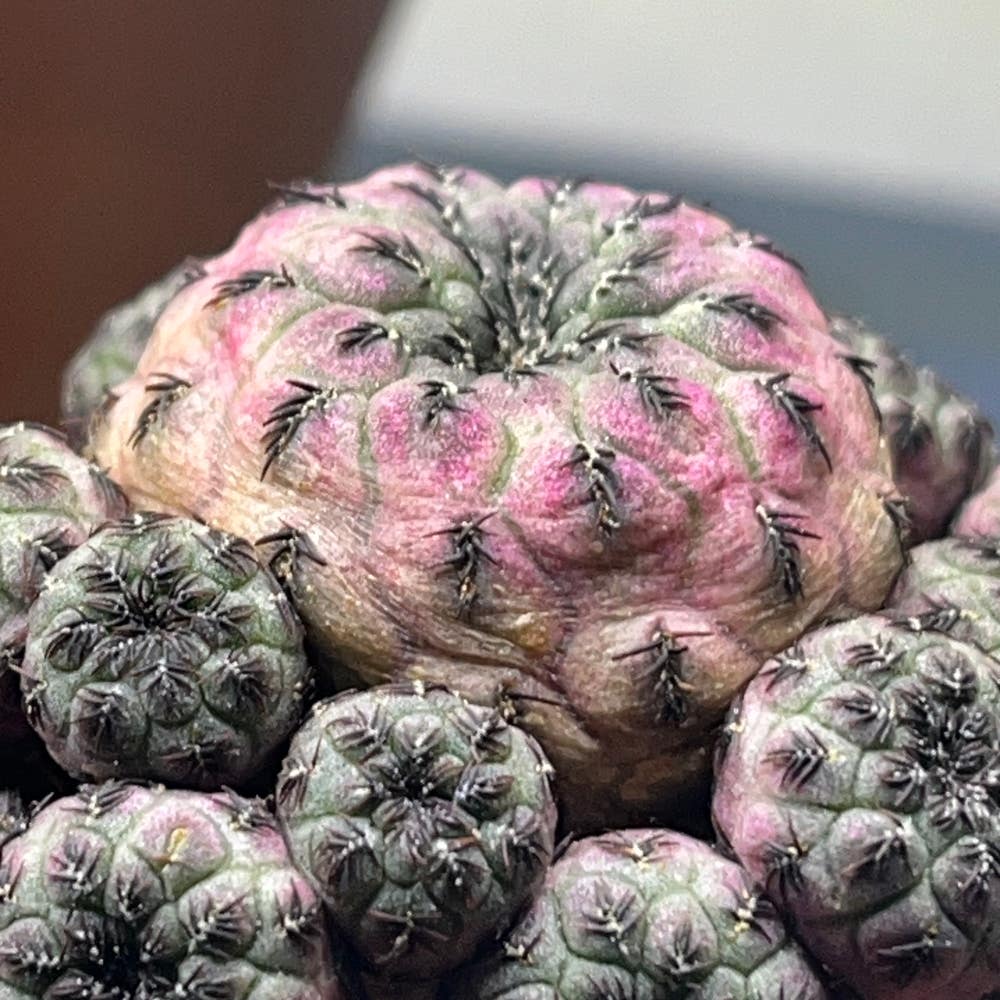
Rebutia fulviseta
By the Greg Editorial Team
Sep 30, 2024•5 min read
This article was created with the help of AI so we can cover more plants for you. May contain errors. See one? Report it here.
Cultivate a stunning Rebutia cactus 🌵 with essential care tips for vibrant growth and lasting beauty!
- 🌞 Rebutia cacti need 4-6 hours of sunlight for optimal growth.
- 💧 Water every 2-3 weeks during growing season; reduce in winter to prevent rot.
- 🌱 Use a well-draining soil mix for healthy roots and vibrant growth.
Choosing a Location
Ideal light conditions 🌞
Rebutia cacti thrive in full sun to partial shade, requiring about 4-6 hours of direct sunlight daily. If you're growing indoors and natural light falls short, consider using grow lights to ensure your cactus gets the light it craves.
Indoor vs. outdoor growing 🏡
For outdoor planting, warm climates with minimal frost are ideal. If space is limited, container gardening is a fantastic option; it offers mobility and protection from harsh weather, allowing you to move your cactus to a sunnier spot when needed.
Choosing the right location is crucial for your Rebutia's health and growth. A well-lit, protected spot can make all the difference in your cactus's journey to thriving beauty.
Next, let’s dive into soil preparation to set the stage for your cactus's success.
Soil Preparation
🌱 Best soil mix
To ensure your Rebutia cactus thrives, start with the right soil mix. Aim for a composition of 50% potting soil, 30% coarse sand, and 20% perlite or pumice.
This blend provides excellent drainage while retaining enough moisture for healthy growth. Additionally, maintain a pH level between 6.0 and 7.0, which is slightly acidic to neutral—perfect for these resilient plants.
💧 Importance of drainage
Proper drainage is crucial for preventing root rot, a common issue that can devastate your cactus. Without it, excess water can lead to wilting and yellowing, signaling trouble.
To enhance drainage, always use pots with drainage holes. You can also add a layer of gravel at the bottom of the pot to further facilitate water flow and keep your Rebutia happy and healthy.
With the right soil and drainage techniques in place, you're setting the stage for a flourishing cactus. Next, let’s dive into effective planting techniques to ensure your Rebutia gets off to a great start!
Planting Techniques
Step-by-step planting guide 🌱
Planting your Rebutia cactus is straightforward and rewarding. Follow these simple steps to ensure a successful start:
- Choose a pot with drainage holes. This is crucial for preventing water accumulation.
- Fill the pot with the prepared soil mix. Aim for a blend that promotes drainage and aeration.
- Create a small hole in the center for the cactus. This will provide a snug fit for your plant.
- Gently place the cactus in the hole and cover roots with soil. Be careful not to damage the delicate roots.
- Water lightly to settle the soil. This helps eliminate air pockets and secures the cactus in place.
Container vs. ground planting 🏡
When deciding between container and ground planting, consider your environment and preferences.
Container planting offers portability and allows you to control soil conditions easily. This is especially beneficial if you live in an area with unpredictable weather.
Ground planting, on the other hand, requires well-draining soil and protection from extreme weather. It can provide a more natural habitat for your cactus, but be prepared to monitor conditions closely.
With these planting techniques in mind, you're well on your way to nurturing a thriving Rebutia cactus. Next, let’s explore the essential aspects of watering and fertilizing to keep your cactus healthy and vibrant.
Watering and Fertilizing
💧 Watering schedule
Watering your Rebutia cactus is crucial for its health. During the growing season, aim to water every 2-3 weeks, allowing the soil to dry out completely between waterings.
In winter, reduce the frequency significantly. Watch for signs of overwatering, such as yellowing or mushy stems, and adjust your schedule accordingly.
🌱 Fertilization techniques
When it comes to fertilizing, use a diluted cactus fertilizer to give your plant a boost. This should be done every 4-6 weeks from spring to early fall for optimal growth.
Timing is key here; fertilizing during the growing season ensures your cactus gets the nutrients it needs to thrive.
With proper watering and fertilization, your Rebutia cactus will flourish, setting the stage for ongoing care and maintenance.
Ongoing Care and Maintenance
✂️ Pruning and Grooming
Pruning your Rebutia cactus is essential for promoting healthy growth. It helps remove dead or damaged parts, allowing the plant to thrive.
To prune effectively, use clean, sharp scissors. Aim to prune after flowering to avoid disrupting the blooming process.
🌦️ Seasonal Care Adjustments
As the seasons change, so should your care routine. In summer, increase your watering frequency and keep an eye out for pests.
During winter, reduce watering significantly and protect your cactus from frost. This adjustment is crucial for its survival.
🐞 Common Challenges and Solutions
Pests
Mealybugs and spider mites are common pests that can affect your cactus. Regularly inspect your plant to catch these invaders early.
For control, consider using neem oil or insecticidal soap. These methods are effective and safe for your cactus.
Diseases
Root rot is a serious issue, often indicated by wilting and yellowing. To prevent this, ensure your cactus has proper drainage.
Fungal infections can also occur, showing signs of discoloration. Treat these with fungicides and improve air circulation around your plant.
By staying vigilant and adjusting your care routine, you can keep your Rebutia cactus healthy and vibrant. Next, let’s explore the best watering and fertilizing techniques to support its growth.
⚠️ Safety First
This content is for general information and may contain errors, omissions, or outdated details. It is not medical, veterinary advice, or an endorsement of therapeutic claims.
Always consult a qualified healthcare professional before using any plant as food, medicine, or supplement.
Never eat any plant (or feed one to pets) without confirming its identity with at least two trusted sources.
If you suspect poisoning, call Poison Control (800) 222-1222, the Pet Poison Helpline (800) 213-6680, or your local emergency service immediately.
Spotted an error? Please report it here.
Nurture your Rebutia cactus to vibrant health 🌵 with Greg's tailored watering alerts and expert care tips that keep your plant thriving all year round!