9 Winter Threats to Your Rebutia Cactus 🌵
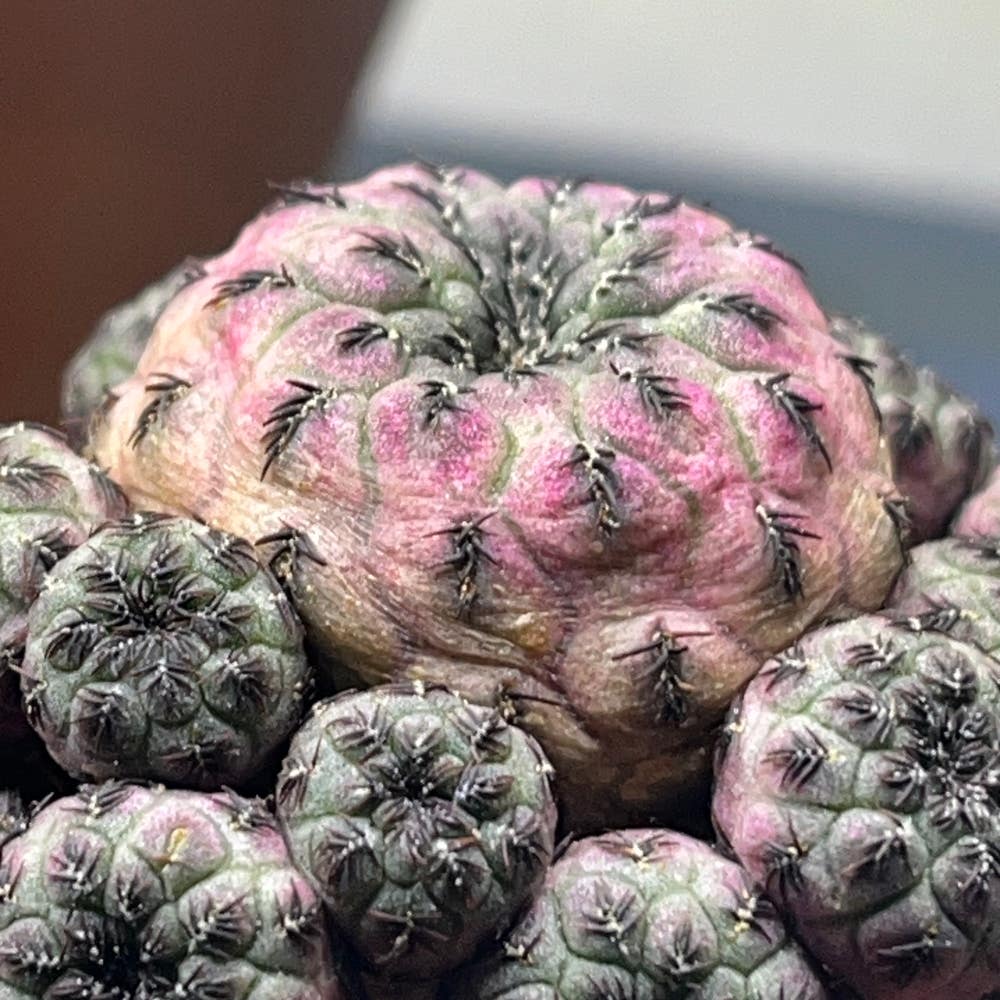
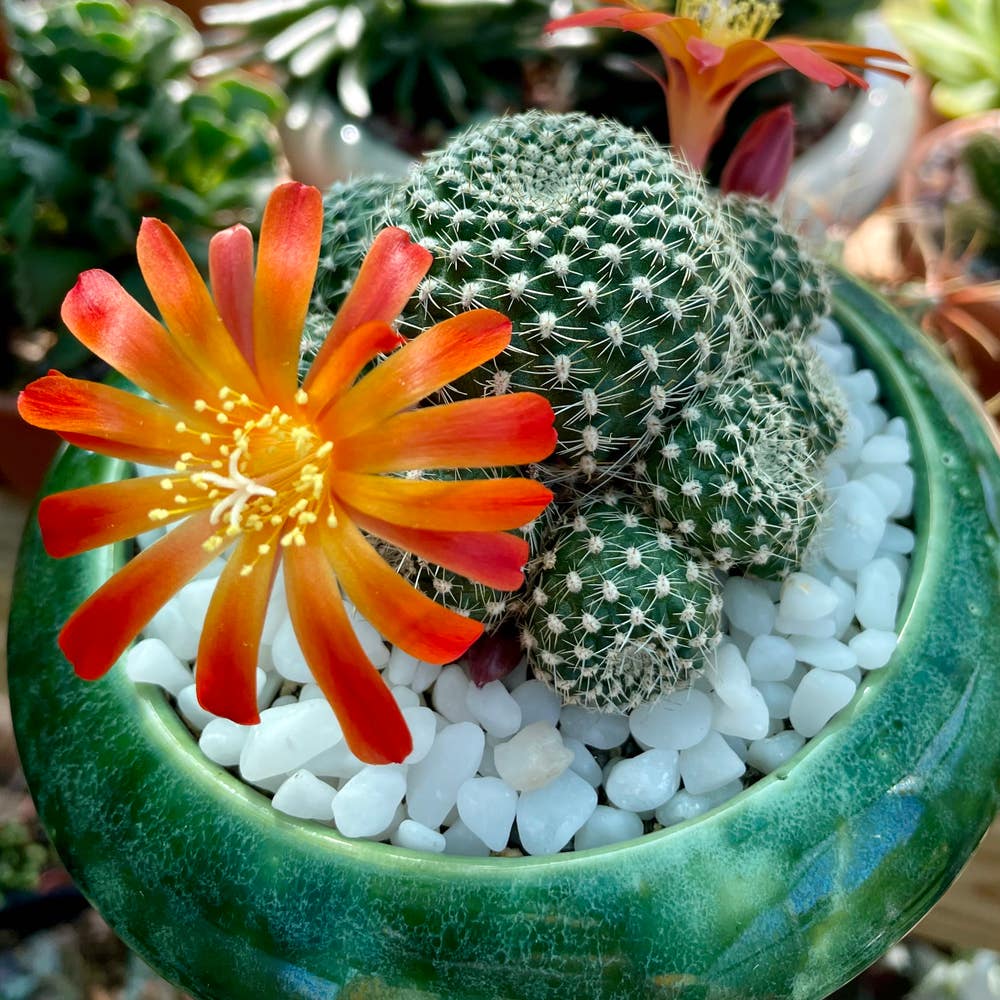
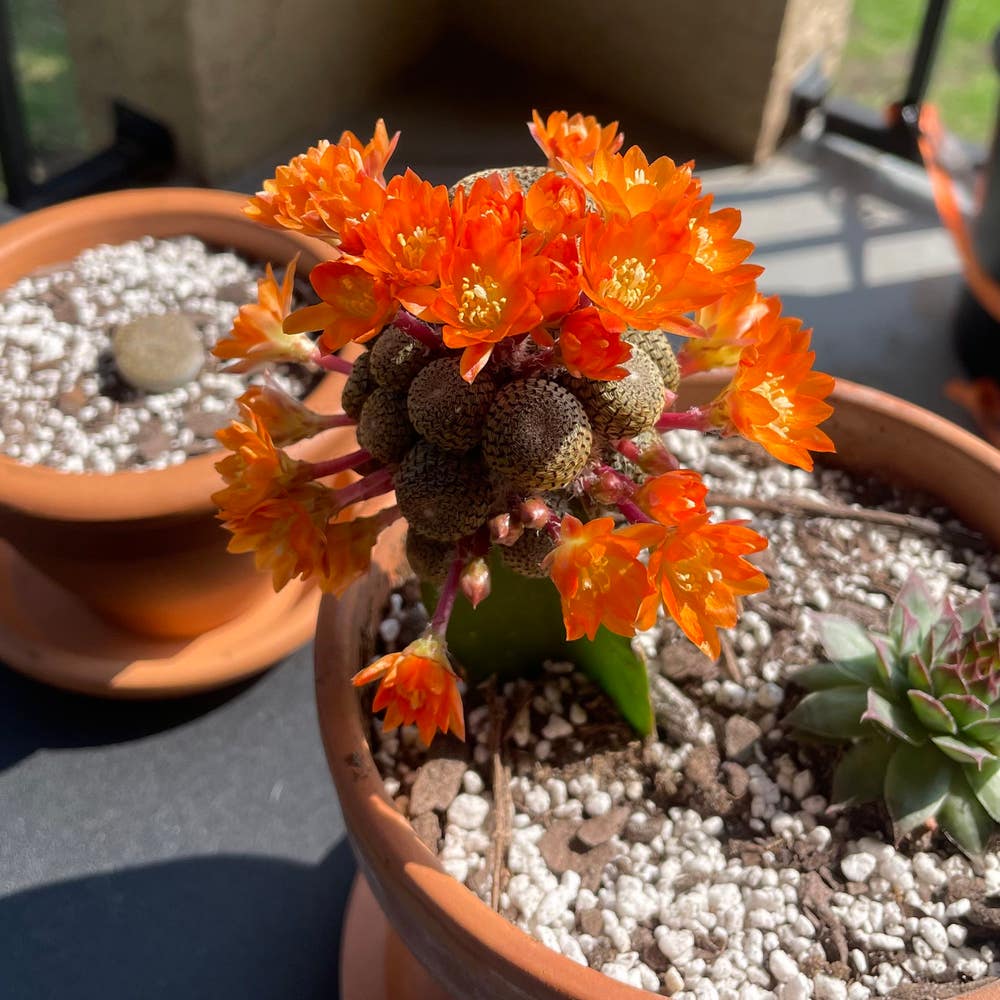
Rebutia fulviseta
By the Greg Editorial Team
Sep 30, 2024•5 min read
This article was created with the help of AI so we can cover more plants for you. May contain errors. See one? Report it here.
Ensure your Rebutia cactus survives winter's chill with these essential care tips! ❄️🌵
- 💧 Water your Rebutia cactus every 4-6 weeks in winter to prevent root rot.
- ❄️ Protect from frost using cloths and keep indoors for optimal temperature.
- 🌞 Ensure bright, indirect light; consider grow lights if natural light is insufficient.
Winter Care Requirements
🌊 Adjusting watering schedules during winter
During winter, it's crucial to adjust your watering schedule for your Rebutia cactus. Reduce watering to once every 4-6 weeks to prevent root rot.
Allow the soil to dry out completely between waterings. Signs of overwatering include yellowing leaves and mushy stems, so keep a close eye on your cactus.
❄️ Fertilizing in winter: what to know
Fertilizing during dormancy is generally not recommended. However, if you notice growth resuming early, you can use a diluted, low-nitrogen fertilizer.
Opt for fertilizers that are specifically designed for cacti to ensure your plant gets the right nutrients without the risk of over-fertilization.
💡 Importance of light exposure in winter months
Bright, indirect light is essential for your Rebutia cactus during the winter months. If natural light is insufficient, consider using grow lights to supplement.
Watch for signs of inadequate light, such as elongated stems and pale coloration. These indicators suggest your cactus may need more light to thrive.
By following these winter care requirements, you'll set your Rebutia cactus up for a successful season. Next, let’s explore effective frost protection strategies to keep your cactus safe from the cold.
Frost Protection Strategies
Best practices for outdoor frost protection ❄️
To protect your Rebutia cactus from frost, timing is crucial. Start preparing as temperatures begin to drop, typically in late fall.
Utilize frost cloths or blankets to cover your cacti during cold nights. If possible, move pots indoors to shield them from harsh conditions.
Location matters too; place your cacti in sheltered areas, such as against walls or under eaves, to minimize exposure to frost.
Indoor care: creating a suitable environment 🏠
When bringing your Rebutia indoors, aim for an optimal temperature range of 15°C to 20°C (59°F to 68°F). This will help keep your cactus healthy during winter.
Humidity levels should be kept low to prevent rot. Position your cactus away from drafts, especially near windows and doors, to avoid temperature fluctuations.
Signs of frost damage and how to address them 🚨
Be vigilant for signs of frost damage, such as discoloration, mushy texture, and wilting. These symptoms indicate that your cactus may need immediate attention.
If you notice damage, trim the affected areas carefully and adjust your care routine. This will help your cactus recover and thrive as temperatures rise.
With these frost protection strategies, your Rebutia cactus can weather the winter months successfully. Next, let’s explore the cold hardiness of this resilient plant.
Cold Hardiness of Rebutia Cactus
🌡️ Factors Affecting Cold Tolerance
Understanding the cold hardiness of your Rebutia cactus is crucial for its survival during winter months. Several factors play a role in how well your cactus can withstand lower temperatures.
🏺 Soil Composition
First and foremost, soil composition is vital. A well-draining soil mix prevents root rot, which can be exacerbated by cold, wet conditions.
🌍 Microclimates
Next, consider the microclimates in your garden. Different areas may experience varying temperatures and moisture levels. Knowing these specifics can help you position your cactus in the best spot for winter survival.
❄️ Acclimatization
Lastly, acclimatization is key. Gradually exposing your Rebutia to colder temperatures can help it adapt. This process reduces shock and increases its chances of thriving when the frost hits.
By paying attention to these factors, you can enhance your cactus's resilience against winter's chill. This preparation sets the stage for a healthy spring awakening, ensuring your Rebutia is ready to flourish.
Spring Preparation and Recovery
Signs of winter damage and recovery steps 🌨️
As winter fades, it's crucial to assess your Rebutia cactus for signs of damage. Look for shriveled or discolored stems, which indicate stress from the cold months.
To help your cactus recover, focus on proper watering and light exposure. Ensure the soil is dry before watering again, and provide bright, indirect light to stimulate growth. Remember, patience is key; recovery takes time, so don’t rush the process.
Preparing for spring growth 🌸
With the arrival of spring, your Rebutia cactus will start to show signs of awakening. Look for new growth and flower buds, which are exciting indicators that your plant is ready to thrive.
Adjust your care routine by resuming regular watering and fertilizing schedules. This is also the perfect time to consider repotting; refreshing the soil and checking root health can set your cactus up for a vibrant growing season.
By staying attentive and proactive, you can ensure your Rebutia cactus flourishes as the warmer months approach.
Common Winter Challenges
Identifying and solving common winter problems 🌨️
Winter can be tough on your Rebutia cactus. The most common issues include overwatering, inadequate light, and frost damage.
To tackle these problems, adjust your care routines. Monitor conditions closely, ensuring your cactus gets the right amount of water and light.
Tips for maintaining healthy Rebutia through winter ❄️
Regular inspections are crucial. Check for pests and diseases that might sneak in during the colder months.
Record-keeping can be a game changer. Track your watering and fertilizing schedules to stay on top of your cactus's needs.
Lastly, consider utilizing technology. The Greg plant care app can send you reminders, helping you keep your Rebutia thriving all winter long.
With these strategies, you can ensure your cactus remains healthy and vibrant through the chilly season. Now, let’s explore how to prepare for spring growth!
⚠️ Safety First
This content is for general information and may contain errors, omissions, or outdated details. It is not medical, veterinary advice, or an endorsement of therapeutic claims.
Always consult a qualified healthcare professional before using any plant as food, medicine, or supplement.
Never eat any plant (or feed one to pets) without confirming its identity with at least two trusted sources.
If you suspect poisoning, call Poison Control (800) 222-1222, the Pet Poison Helpline (800) 213-6680, or your local emergency service immediately.
Spotted an error? Please report it here.
Keep your Rebutia cactus thriving this winter ❄️ by using Greg for tailored watering reminders and expert tips to navigate the seasonal challenges ahead!