🌵 Why Is My Rebutia fulviseta Dropping Leaves?
Rebutia fulviseta
By the Greg Editorial Team
Mar 26, 2024•4 min read
This article was created with the help of AI so we can cover more plants for you. May contain errors. See one? Report it here.
Solve the leaf-drop mystery 🌵 of your Rebutia fulviseta and bring back its vibrant charm!
- Overwatering? Stop watering, let soil dry, and repot with well-draining soil.
- Underwatered cactus? Water when top inch of soil is dry, not on a schedule.
- Check root health: Firm, white roots good; soft, brown roots need repotting.
When Too Much Love Hurts: Overwatering Woes
🌊 Spotting the Soggy Culprit
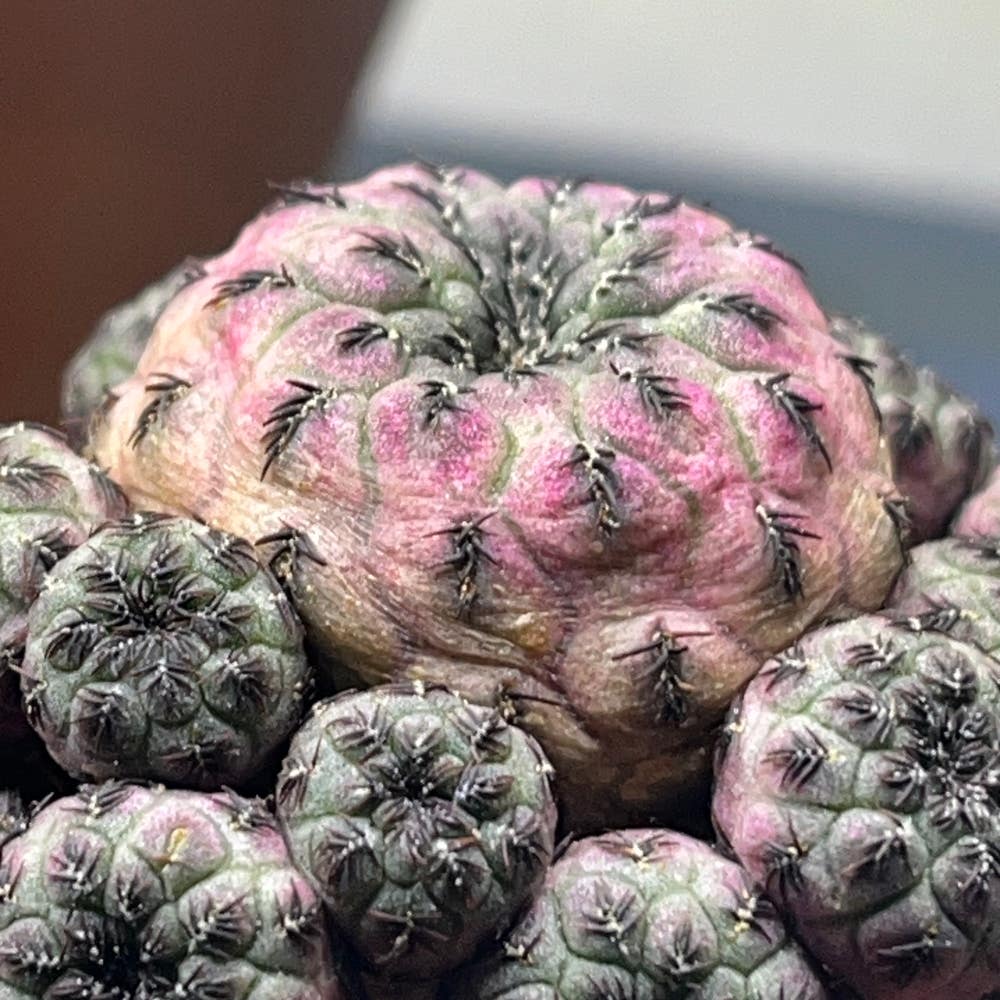
Yellowing leaves and a funky smell from the soil are your Rebutia fulviseta's cry for help. Overwatering turns your cactus's life into a non-stop pool party it never wanted. If the soil feels like a wet sponge days after watering, it's a clear sign you've gone overboard with the affection. Swollen stems and leaves that resemble overripe fruit are the distress signals you can't ignore.
💦 Saving Your Cactus from a Watery Grave
Caught in the act of overwatering? Stop watering immediately. Let the soil dry out like a desert under the scorching sun. If the roots look like they've been through a blender, it's time for some tough love. Trim the damaged parts with sterilized scissors, and repot your cactus in fresh, well-draining soil. Choose a pot with drainage holes to prevent future waterlogging. Remember, moderation is key. Before reaching for the watering can, do the touch test. If the soil clings to your finger, your cactus is still full from the last drink.
Thirsty Spikes: The Underwatering Paradox
🏜️ Crispy Tips: Recognizing a Parched Plant
Dry, wrinkled skin on your Rebutia fulviseta is a red flag. It's not just going for that vintage look; it's dehydrated. If the soil crumbles like ancient parchment, it's time to hydrate. Leaves curling inward are the cactus's hug of self-preservation, a clear sign it's time for a drink.
🚰 Quenching the Thirst Without Drowning
Watering is an art, especially with cacti. Forget the calendar; your plant doesn't care what day it is. Check the top inch of soil; if it's dry, it's time for a deep, but careful, watering. Remember, your cactus wants a sip, not a swim. After watering, monitor the plant and soil to ensure you've hit that hydration sweet spot.
Feeling the Burn: Temperature and Light Troubles
🌵 Too Hot to Handle or Too Cold to Hold
Cacti like the Rebutia fulviseta can be as fussy about temperature as Goldilocks was about her porridge. Too hot and they're sporting sunburn with brown, crispy patches; too cold and they're stunted, with growth as slow as a snail on a lazy Sunday. Keep your cactus away from temperatures below 5 ºC (41 ºF) to avoid a chilly demise.
💡 Light It Up Right
Sunlight is the lifeblood of your Rebutia fulviseta, but just like with any good thing, moderation is key. Aim for a bright, indirect light setup—think of it as the plant's happy place. Direct sunlight can lead to a sunburnt cactus, leaving you with a plant that looks more like a crispy fried snack than a vibrant desert dweller. If your cactus is stretching out like it's trying to escape its pot, or its color is as faded as an old pair of jeans, it's time to reassess its sunbathing habits.
Rooting Out the Problem: A Root Health Check-Up
🕵️ Unearthing the Issue: Inspecting the Roots
Root inspections are like surprise audits; they reveal the truth beneath the surface. Gently remove your Rebutia fulviseta from its pot, and brush off the soil for a no-nonsense look at the roots. Healthy roots are firm and white, a sign they're in fighting shape. If they're soft and brown, they're crying uncle, and it's time to take action.
💼 Repotting for Recovery
If the roots look like they've gone a few rounds with Mike Tyson, it's time to repot. Sterilize your scissors—clean cuts only, please—and prune away the damaged bits. Choose a pot that's like a good pair of jeans: snug but with room to grow. The soil should drain faster than a sink in an infomercial. After repotting, water with the precision of a bomb diffuser—too much and it's game over. Remember, roots need tough love and breathing room to bounce back.
⚠️ Safety First
This content is for general information and may contain errors, omissions, or outdated details. It is not medical, veterinary advice, or an endorsement of therapeutic claims.
Always consult a qualified healthcare professional before using any plant as food, medicine, or supplement.
Never eat any plant (or feed one to pets) without confirming its identity with at least two trusted sources.
If you suspect poisoning, call Poison Control (800) 222-1222, the Pet Poison Helpline (800) 213-6680, or your local emergency service immediately.
Spotted an error? Please report it here.
Diagnose watering woes 🌵 with Greg's custom care plan, ensuring your Rebutia fulviseta bounces back to perfect health by avoiding the perils of over and underwatering!