🌵 Rebutia Cactus Wilting? Here's What to Do
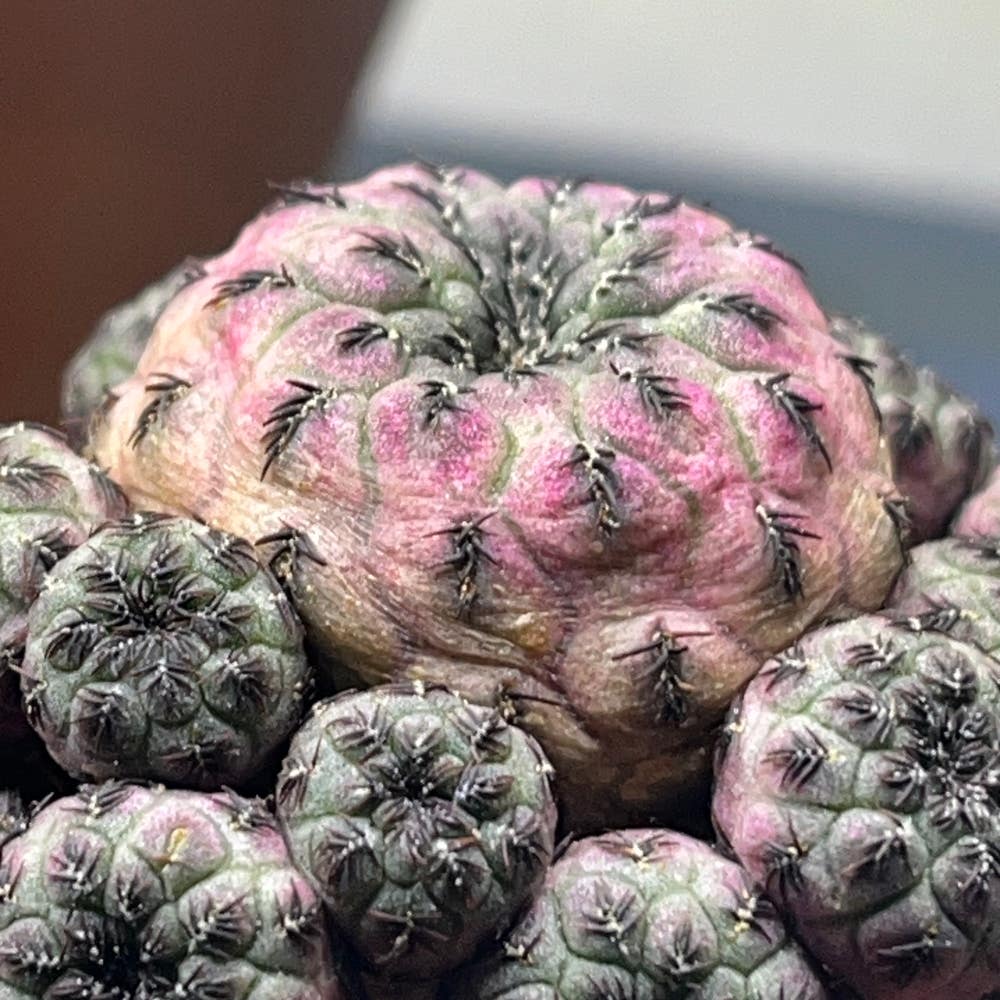
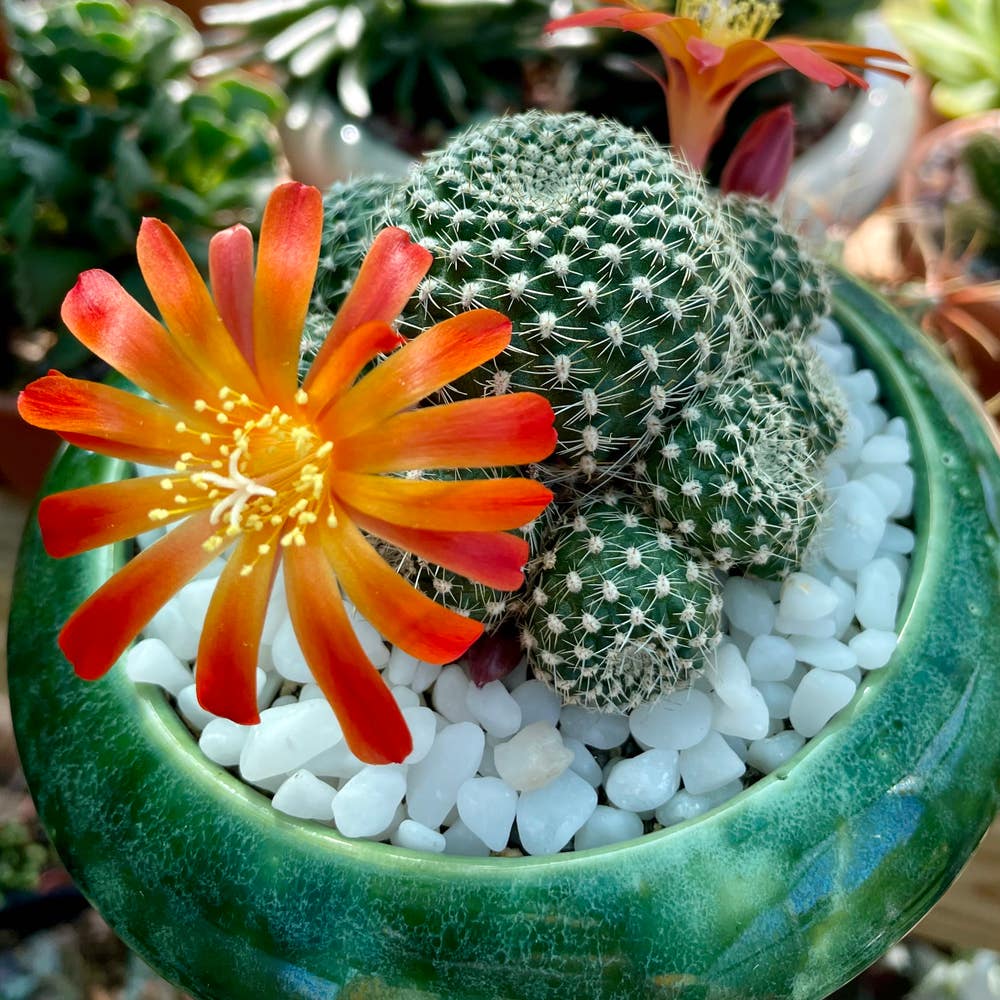
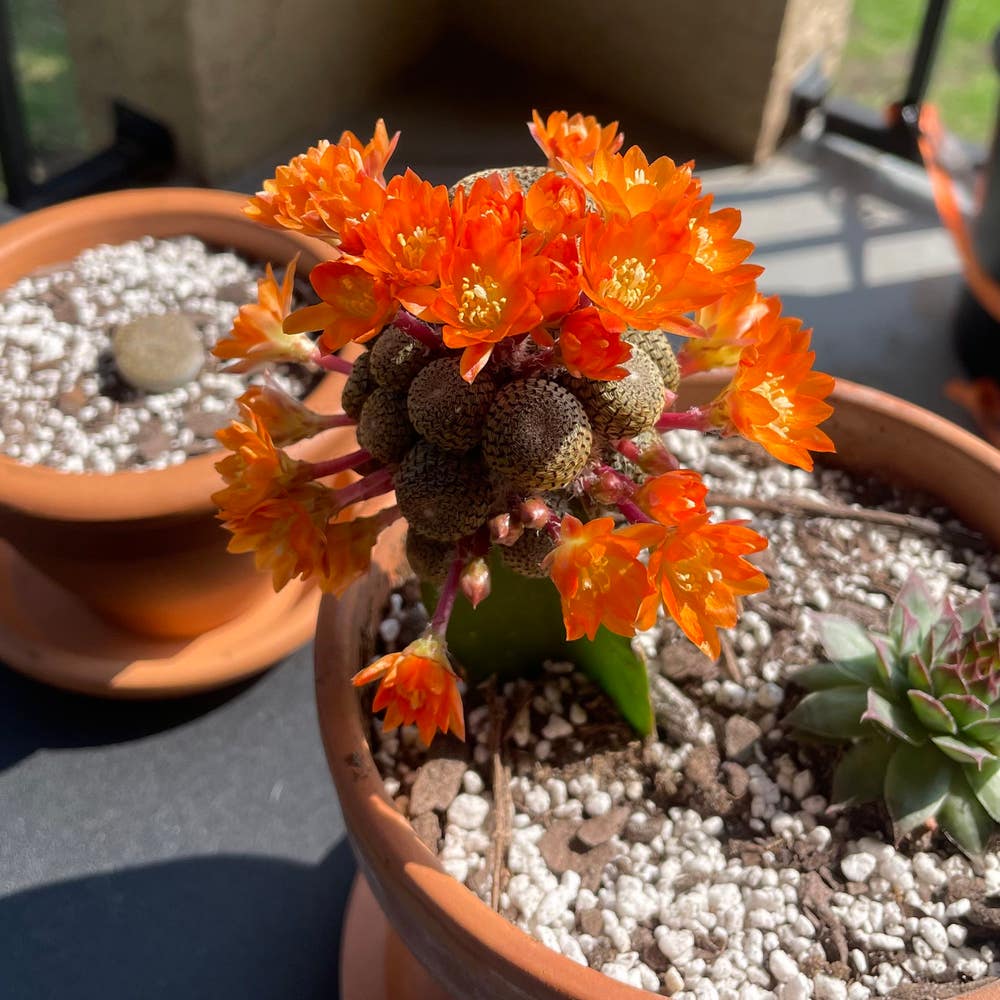
Rebutia fulviseta
By the Greg Editorial Team
Sep 30, 2024•6 min read
This article was created with the help of AI so we can cover more plants for you. May contain errors. See one? Report it here.
Revive your wilting Rebutia cactus 🌵 with essential tips to diagnose and fix common care issues!
- 💧 Wilting in Rebutia cacti often results from improper watering—either too much or too little.
- ☀️ Heat stress can cause wilting; relocate to shade during peak sunlight for relief.
- 🌱 Diagnose issues by checking watering habits and environmental conditions for optimal care.
Common Causes of Wilting Leaves
💧 Water Stress
Wilting in your Rebutia cactus often starts with water stress. Symptoms include drooping, shriveling, and discoloration of leaves.
Underwatering occurs when you water infrequently, leading to dehydration. Conversely, overwatering can cause poor drainage, resulting in root rot. Both extremes can leave your cactus looking sad and lifeless.
🌡️ Heat Stress
Heat stress is another common culprit behind wilting. You might notice your cactus wilting during high temperatures or developing sunburn on its surface.
This stress can stem from excessive sunlight exposure, particularly during the direct afternoon sun. Additionally, high ambient temperatures and inadequate ventilation can exacerbate the problem, making it crucial to monitor your plant's environment.
🦠 Uncommon Causes: Pathogenic Wilt
While less likely, pathogenic wilt can also affect your Rebutia cactus. This type of wilting is usually marked by yellowing leaves and a mushy texture.
It's essential to rule out diseases before taking action. If you suspect a disease, a closer inspection can help determine the next steps for your plant's recovery.
Understanding these common causes of wilting leaves is vital for effective care. With this knowledge, you can better diagnose and address the issues affecting your cactus. Next, let’s explore how to diagnose wilting in your plant.
Diagnosing Wilting
📝 Step-by-Step Guide
Assess Watering Habits
Start by checking the soil moisture. Use a moisture meter or your finger to gauge how dry it is. Also, note the last time you watered your Rebutia cactus.Evaluate Environmental Conditions
Next, measure the temperature and humidity levels around your cactus. Observe how long it’s exposed to sunlight each day, especially during peak hours.Inspect the Plant for Signs of Pests or Diseases
Look closely at your cactus for any discoloration, spots, or unusual growths. These could indicate pest infestations or diseases that need addressing.Analyze Potting Conditions
Finally, check for drainage issues. Inspect the pot and soil type to ensure they allow for proper water flow, preventing root rot.
🔍 Signs to Look For
Visual Indicators
Pay attention to the leaf texture and color. A healthy cactus should have firm, vibrant leaves.Changes in Growth Patterns
Watch for stunted growth or abnormal shapes. These changes can signal underlying issues that need your attention.
By following these steps, you can effectively diagnose the cause of wilting in your Rebutia cactus. Understanding these signs will help you take the right actions to restore your plant's health.
Next, let’s explore solutions for wilting leaves, ensuring your cactus thrives once again.
Solutions for Wilting Leaves
🌊 Addressing Water Stress
Water stress is a common culprit behind wilting leaves.
For underwatering, the key is to soak the soil thoroughly, allowing excess water to drain out. Establishing a consistent watering schedule based on the season can help prevent dehydration.
On the flip side, overwatering can lead to root rot. Repotting your cactus in a well-draining cactus mix is essential. Inspect the roots, removing any that are affected, and allow the plant to dry out before watering again.
☀️ Managing Heat Stress
Heat stress can also cause wilting, especially during scorching days.
To combat this, relocate your cactus to a shaded area during peak sunlight hours. Ensuring adequate airflow around the plant can also help it cope with high temperatures.
For temperature control, consider using fans or air conditioning to maintain optimal conditions. Keeping your cactus comfortable is crucial for its health.
🦠 Techniques for Disease-Related Wilting
If you suspect disease-related wilting, immediate action is necessary.
Isolate the affected plant to prevent any potential spread to other plants. Applying appropriate fungicides or treatments can help address the issue effectively.
🌱 Reviving a Wilted Cactus
Reviving a wilted cactus requires a few strategic steps.
Start with the bottom watering technique: fill a tray with water and place the pot in it to allow for absorption. This method encourages the roots to take in moisture gradually.
Consider temporarily relocating the cactus to a more suitable environment for recovery. Pruning any severely affected parts can also promote new growth, giving your cactus a fresh start.
By addressing these issues promptly, you can help your Rebutia cactus bounce back and thrive. Next, let’s explore preventive measures to keep your cactus healthy and vibrant.
Preventive Measures
Best Practices 🌱
Establishing a consistent watering routine is crucial for your Rebutia cactus. Consider using the Greg plant care app to set reminders, ensuring your plant receives the right amount of water at the right time.
Regularly monitor environmental conditions to keep your cactus thriving. Adjust its placement based on seasonal changes, ensuring it gets optimal sunlight without overheating.
Environmental Conditions for Healthy Growth 🌡️
Your Rebutia cactus flourishes in a temperature range of 20°C to 30°C (68°F to 86°F). Keeping it within this range helps prevent stress and promotes healthy growth.
Low humidity levels are ideal for these cacti, as they thrive in arid conditions. Additionally, use a well-draining cactus mix with the proper pH to support root health and prevent waterlogging.
By following these preventive measures, you can create a nurturing environment for your Rebutia cactus. This proactive approach will help you avoid wilting issues and enjoy a vibrant, healthy plant.
Next, let’s explore when to seek help from local experts or online communities if your cactus shows signs of distress.
Seeking Help
When to Consult a Local Nursery or Plant Expert 🌵
Sometimes, despite your best efforts, your Rebutia cactus may continue to wilt. If you notice persistent wilting even after trying corrective measures, it might be time to seek professional help.
Unidentified pests or diseases can also be tricky to diagnose. If you see unusual growths or discoloration that you can't pinpoint, a local nursery or plant expert can provide valuable insights.
Engaging with the Online Plant Care Community 🌐
Don't underestimate the power of community support. Engaging with fellow cactus enthusiasts online can be incredibly beneficial.
You can share your experiences and solutions, gaining access to a wealth of knowledge. Whether it's tips on care or troubleshooting, the collective wisdom of the community can guide you through tough times with your plant.
Connecting with others who share your passion can also be uplifting. Remember, you're not alone in this journey of plant care!
Encouragement and Reassurance
🌱 Message of Hope
Wilting can be alarming, but remember that it's often reversible with the right care. A little patience and observation can go a long way in restoring your Rebutia cactus to its vibrant self.
📚 Importance of Knowledge and Care
Understanding your plant's needs empowers you to provide better care. Embrace the learning journey, and don't hesitate to adapt your practices as you discover what works best for your cactus.
Your efforts can lead to a thriving plant, so keep nurturing that curiosity and passion for plant care!
⚠️ Safety First
This content is for general information and may contain errors, omissions, or outdated details. It is not medical, veterinary advice, or an endorsement of therapeutic claims.
Always consult a qualified healthcare professional before using any plant as food, medicine, or supplement.
Never eat any plant (or feed one to pets) without confirming its identity with at least two trusted sources.
If you suspect poisoning, call Poison Control (800) 222-1222, the Pet Poison Helpline (800) 213-6680, or your local emergency service immediately.
Spotted an error? Please report it here.
Revive your wilting Rebutia cactus with Greg's tailored watering alerts and community insights, ensuring it thrives in your care! 🌵✨