🌵 Top 5 Pot Options to Make Your Rebutia Cactus Thrive
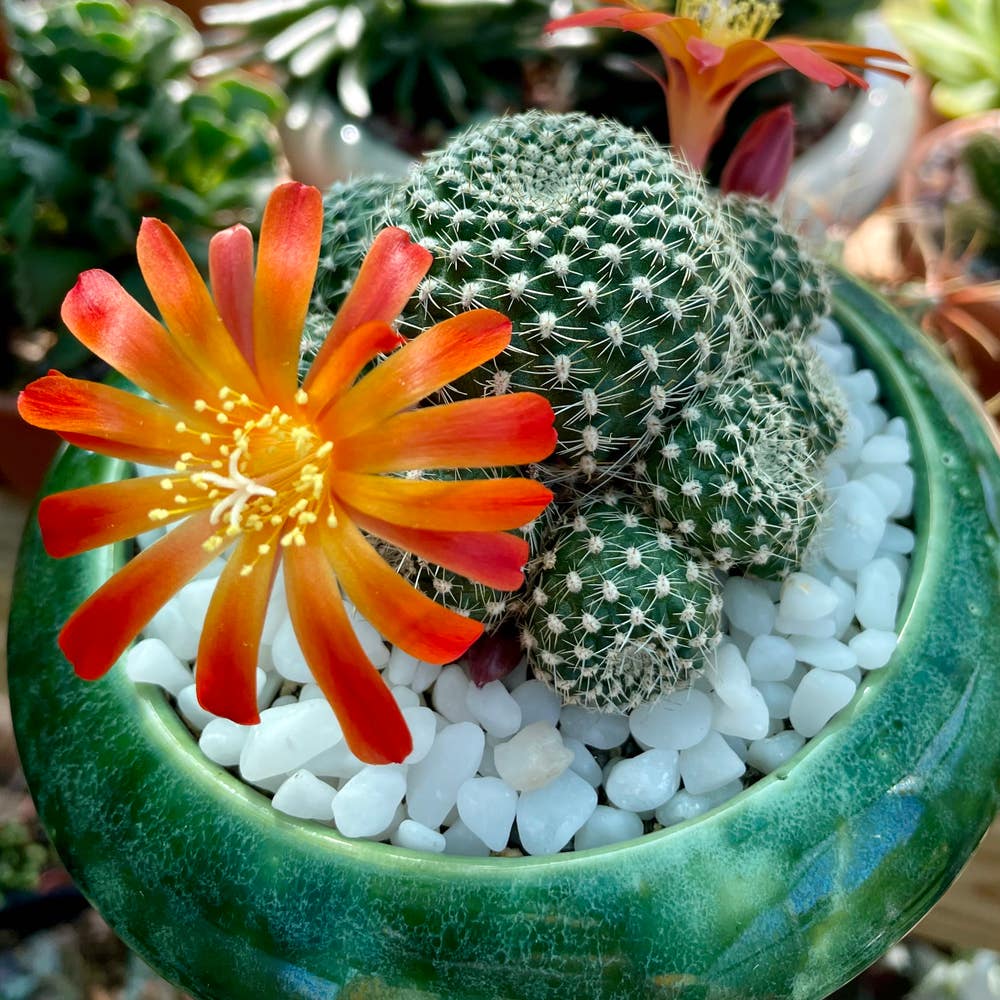
Rebutia fulviseta
By the Greg Editorial Team
Sep 30, 2024•6 min read
This article was created with the help of AI so we can cover more plants for you. May contain errors. See one? Report it here.
Unlock your Rebutia cactus's full potential 🌱 by mastering the art of pot selection for vibrant growth and health!
- 🌱 Clay pots are best for Rebutia cacti, promoting breathability and preventing root rot.
- 🚫 Avoid oversized pots to prevent excess moisture; size matters for healthy growth.
- 💧 Ensure proper drainage with at least 3-4 holes to maintain optimal moisture levels.
Ideal Materials for Pots
🌱 Clay Pots
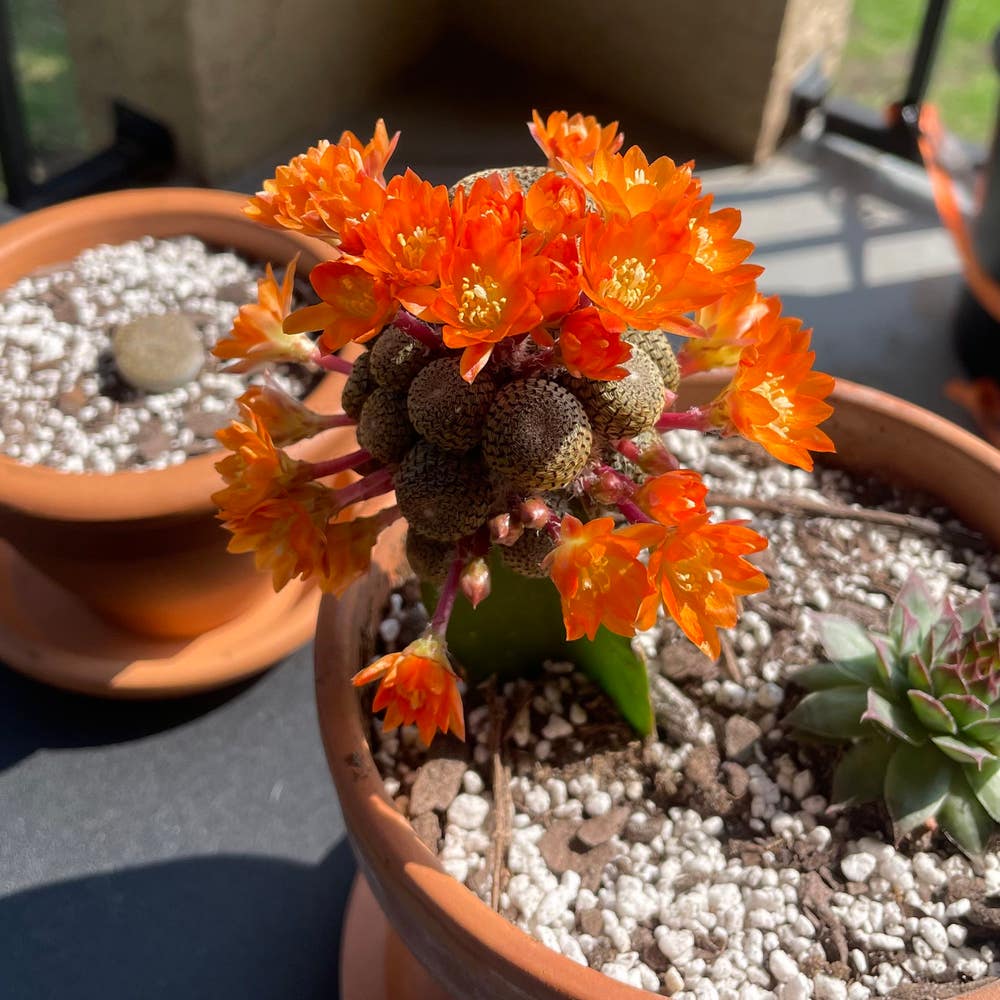
Clay pots are a popular choice for Rebutia cacti due to their breathability and moisture regulation. They allow air to circulate through the soil, which helps prevent root rot and keeps your cactus healthy.
Another advantage is their aesthetic appeal. Clay pots come in natural earthy tones that complement the vibrant colors of your cactus. Plus, their weight provides stability, reducing the risk of tipping over.
However, there are some drawbacks to consider. Clay can crack in extreme temperatures, which might be a concern if you live in an area with drastic weather changes. Additionally, these pots are heavier and less portable than plastic options, making them a bit cumbersome to move around.
🪴 Plastic Pots
On the flip side, plastic pots offer a lightweight and easy-to-move alternative. This makes them ideal for those who like to rearrange their plants or take them outdoors during sunny days.
Plastic pots also come in a wide variety of colors and designs, allowing you to express your personal style. Whether you prefer bright hues or subtle shades, there’s a plastic pot to match your aesthetic.
Yet, they do have their downsides. Plastic is less breathable than clay, which can lead to moisture retention and potentially harm your cactus. Additionally, prolonged exposure to UV light can cause plastic to degrade over time, affecting its durability.
Choosing the right pot material is crucial for your Rebutia's health. Understanding the benefits and drawbacks of both clay and plastic will help you make an informed decision that supports your cactus's growth.
Next, let’s explore how your choice of pot can significantly impact the health and growth of your Rebutia cactus.
How Pot Choice Affects Health and Growth
Choosing the right pot for your Rebutia cactus is crucial for its overall health and growth. The size and material of the pot can significantly influence root development and flower production.
📏 Impact of Pot Size
The size of the pot directly affects how well your cactus can grow. A pot that’s too small can lead to root binding, stunting growth and limiting flower production.
Conversely, an oversized pot can retain excess moisture, increasing the risk of root rot. Finding that sweet spot in pot size is essential for a thriving Rebutia.
🧱 Relationship Between Pot Material and Moisture Retention
The material of the pot plays a vital role in moisture retention. Clay pots are breathable, allowing moisture to evaporate, which is beneficial for cacti that prefer drier conditions.
Plastic pots, while lightweight and colorful, can trap moisture, leading to potential overwatering issues. Understanding these dynamics helps you choose wisely.
🌱 Complementing Rebutia's Compact Growth Habit
Rebutia cacti are known for their compact growth. Selecting pots that match this growth habit ensures that your cactus has enough room to thrive without becoming overwhelmed by excess soil.
A snug fit allows for better moisture management and encourages healthy root development. Always consider your cactus's unique needs when choosing a pot.
In summary, pot choice is not just about aesthetics; it’s about creating an environment where your Rebutia can flourish. Next, let’s dive into the importance of drainage considerations to keep your cactus happy and healthy.
Drainage Considerations
Importance of Drainage Holes 🌧️
Drainage holes are crucial for preventing water accumulation in your Rebutia cactus pot. They help maintain optimal moisture levels, ensuring your cactus thrives without drowning.
For small pots, aim for at least 3-4 drainage holes. Larger pots may require even more to facilitate proper water flow.
How Drainage Impacts Root Health 🪴
Poor drainage can lead to root rot, a common issue that can devastate your cactus. Root rot occurs when excess water suffocates roots, causing them to decay.
Signs of inadequate drainage include yellowing leaves and mushy roots. To combat this, always pair your pot choice with well-draining potting soil for the best results.
By prioritizing drainage, you set your Rebutia up for success, allowing it to flourish in its environment. Next, let's explore how to repot your cactus effectively for continued growth.
Repotting Rebutia Cactus
Signs That It's Time to Repot 🌱
Recognizing when to repot your Rebutia cactus is crucial for its health. Look for roots growing out of the drainage holes; this is a clear sign that your cactus is root-bound.
Additionally, if you notice stunted growth or a lack of flowering, it may be time for a new pot. Soil degradation, such as compacted or discolored soil, also indicates that your cactus needs a fresh environment to thrive.
Step-by-Step Guide to Repotting 🛠️
Repotting your Rebutia cactus can be a straightforward process. Follow these steps for a successful transition:
Gather materials: You'll need a new pot, potting soil, and tools like a trowel and gloves.
Remove the cactus from its current pot: Gently loosen the soil around the edges. Support the base to avoid any damage during removal.
Inspect roots: Check for any dead or rotting roots and trim them away. If necessary, dust the roots with fungicide to prevent disease.
Place in new pot: Start by filling the bottom with fresh potting soil. Position the cactus in the center and fill around the roots with more soil.
Water lightly to settle soil: After repotting, give it a light watering. Avoid overwatering immediately, as this can stress the plant.
By following these steps, you can ensure your Rebutia cactus has the best chance to flourish in its new home. Now that you’re equipped with repotting knowledge, let’s explore common mistakes in pot selection to further enhance your cactus care.
Common Mistakes in Pot Selection
Overly Large or Small Pots 🌱
Choosing the right pot size is crucial for your Rebutia cactus. Oversized pots can lead to excessive water retention, creating a breeding ground for root rot.
Conversely, pots that are too small can stunt growth and cause root binding, preventing your cactus from thriving. Finding that sweet spot in pot size is essential for healthy development.
Ignoring Drainage Needs 🚰
Many people underestimate the importance of drainage in pot selection. A common misconception is that any pot will do, but inadequate drainage can lead to serious issues.
Selecting pots with sufficient drainage holes is vital for maintaining optimal moisture levels. Aim for at least three to four holes in smaller pots to ensure proper water flow.
Choosing Inappropriate Materials 🏺
The material of your pot matters more than you might think. Non-breathable materials can trap moisture, leading to unhealthy conditions for your Rebutia.
It's essential to match pot materials to the specific needs of your cactus. Clay pots, for instance, offer breathability, while plastic pots may not provide the same benefits.
Summary of Key Potting Tips 📋
In summary, consider pot size, drainage, and material when selecting a home for your Rebutia cactus. Regularly evaluate your potting choices to ensure your cactus remains healthy and vibrant.
By avoiding these common mistakes, you can create an ideal environment for your cactus to flourish. Next, let’s explore the importance of drainage considerations in more detail.
⚠️ Safety First
This content is for general information and may contain errors, omissions, or outdated details. It is not medical, veterinary advice, or an endorsement of therapeutic claims.
Always consult a qualified healthcare professional before using any plant as food, medicine, or supplement.
Never eat any plant (or feed one to pets) without confirming its identity with at least two trusted sources.
If you suspect poisoning, call Poison Control (800) 222-1222, the Pet Poison Helpline (800) 213-6680, or your local emergency service immediately.
Spotted an error? Please report it here.
Keep your Rebutia cactus thriving 🌱 by using Greg's tailored potting advice to choose the perfect container that ensures optimal moisture and root health!