Why Are My Rebutia fulviseta Leaves Curling?
Rebutia fulviseta
By the Greg Editorial Team
Mar 26, 2024•5 min read
This article was created with the help of AI so we can cover more plants for you. May contain errors. See one? Report it here.
Unravel the mystery behind your cactus's curling leaves for a happier, healthier Rebutia fulviseta 🌵.
- 💧 Dehydration causes curling: Water deeply, but not daily.
- 🌡️ Temperature and light matter: Avoid too much sun and cold stress.
- 🐛 Pests and diseases: Use neem oil or fungicides as needed.
When Thirst Strikes: Underwatering Woes
🌵 Spotting the Signs: How to Tell if Your Rebutia fulviseta is Thirsty
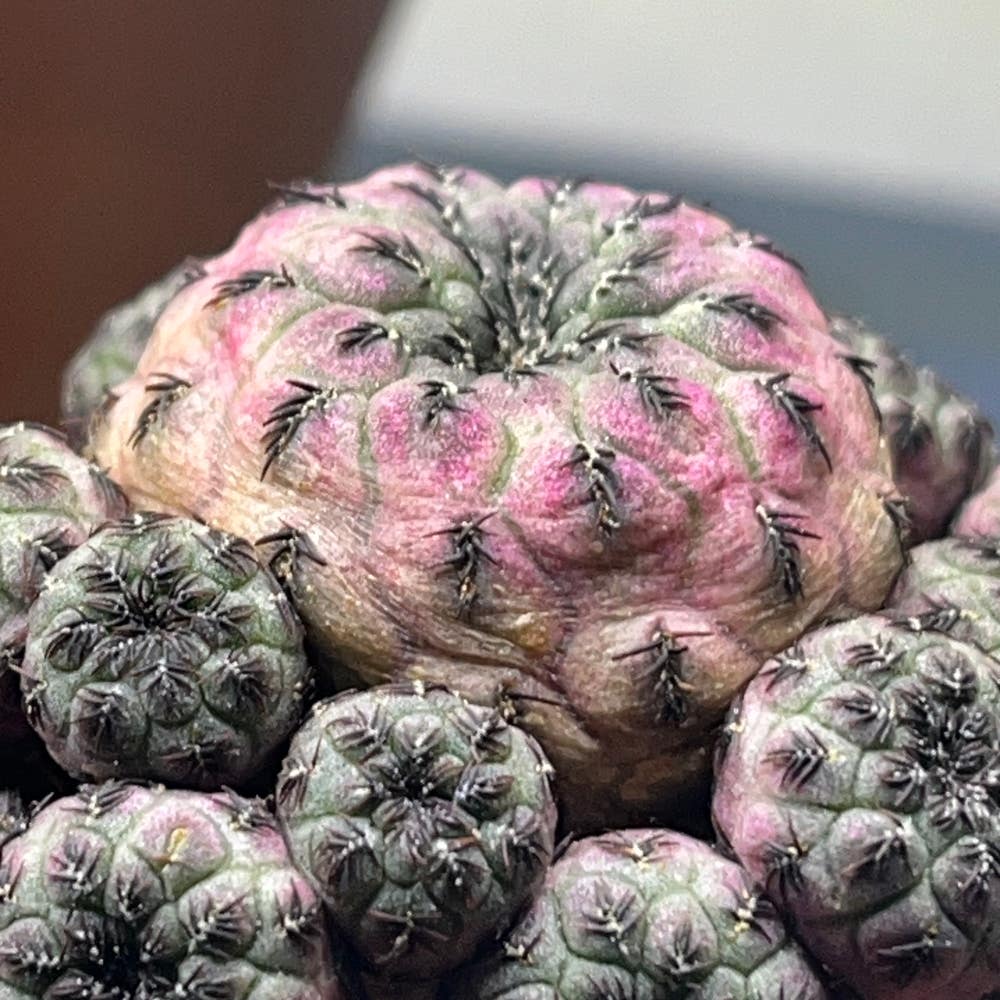
Curling leaves on a Rebutia fulviseta can be a red flag for dehydration. If the leaves resemble a group of mini green tacos, it's time to assess the soil moisture. Dive an inch into the soil with your finger; a dry encounter means your cactus is calling for a drink. Wrinkled leaves are another telltale sign, whispering (or rather, screaming) for hydration.
💧 Quenching the Thirst: Fine-Tuning Your Watering Routine to Combat Curling
To combat the curl, your watering game needs to be on point. Water deeply but not daily—think of it as a refreshing downpour followed by a sunny spell. Ensure the water reaches the roots without turning the pot into a swamp. After watering, the excess should freely escape through the drainage holes, bidding farewell to any potential sogginess. Remember, a cactus is not a fish; it doesn't want to swim. Keep the soil consistently moist, like a perfectly baked brownie—neither a dust bowl nor a mud pit.
Drowning in Love: The Perils of Overwatering
🚰 Soggy Signals: Recognizing Overwatering Symptoms in Your Cactus
Swollen stems and yellow leaves are your Rebutia fulviseta's way of saying, "Help, I'm too wet!" If the soil smells mustier than a forgotten gym locker, it's a dead giveaway. Overwatering turns cacti into mushy messes, so if your plant feels softer than a ripe avocado, it's time to take action.
🚰 Draining the Excess: Steps to Rescue an Overwatered Rebutia fulviseta
First, stop watering—your cactus isn't parched, it's practically swimming. Check the pot's weight; if it's heavier than your pet cat, the soil is waterlogged. Gently remove your cactus from its pot and inspect the roots. Mushy or black roots need to be pruned immediately. Repot your plant in fresh, well-draining soil, and resist the urge to water until the top inch feels dry as a bone. Remember, your Rebutia fulviseta isn't a fan of waterlogged hugs.
Feeling the Heat (and the Chill): Temperature and Light Troubles
🌡️ Too Hot to Handle or Too Cold to Hold: Identifying Temperature Stress
Temperature stress in your Rebutia fulviseta can cause leaves to curl as if they're trying to escape the discomfort. Wilting or discoloration signals that your cactus might be too hot. If it's stretching out like it's yearning for a distant sunbeam, it's probably too cold. Use a thermometer to keep tabs on the temperature; your cactus craves stability.
☀️ Let There Be Light (But Not Too Much): Finding the Sweet Spot for Your Sun-Loving Cactus
Your Rebutia fulviseta loves the sun, but too much can lead to a sunburn—brown patches that scream for shade. Conversely, not enough light can result in a pale and stretched-out cactus, like it's reaching for a sun that's just too far away. Find a spot with bright, indirect light and watch your cactus for signs of contentment. Remember, it's about balance—think comfortable, not extreme.
Uninvited Guests: Pests and Diseases Crashing the Party
🐜 Bug off: Spotting and Evicting Pests from Your Rebutia fulviseta
Aphids, spider mites, and mealybugs are the usual suspects when it comes to pests on your Rebutia fulviseta. These critters are like the freeloaders at a party, unwelcome and destructive. If you spot clusters of tiny bugs, especially under the leaves, or webbing, it's time to take action. Neem oil and insecticidal soaps are your first line of defense, acting as the bouncers to show these pests the door. For a more sustainable approach, consider introducing predatory insects that naturally keep pest populations in check.
😷 Sickly Cactus: Diagnosing Diseases that Cause Leaf Curling and How to Treat Them
Fungal infections are like the uninvited guests who overstay their welcome, causing damage long after they appear. If you notice discolored patches or fuzzy growths on your cactus, it's time to bring out the fungicide. Good airflow and proper watering habits are your best preventive measures, akin to a neighborhood watch for your plant's health. Remember to isolate any affected plants to prevent the spread of disease and maintain a dry, well-ventilated environment to keep fungal foes at bay.
The Best Defense is a Good Offense: Proactive Plant Parenting
💧 Watering Wisdom: Establishing a No-Fail Watering Schedule
Consistency is the backbone of cactus care. To prevent your Rebutia fulviseta from turning into a botanical accordion, you'll need to nail down a watering routine. Early morning watering is the secret handshake to plant health, allowing the soil to dry before nightfall. Adjust with the seasons—less in winter, a touch more in summer. It's like being a DJ for your plants, reading the room (or pot) and tweaking the volume (of water) accordingly.
🌵 Creating a Cactus Haven: Ensuring the Ideal Environment
Your Rebutia fulviseta doesn't need a stage dive into the sun; it craves the sweet spot. Aim for bright light with some afternoon shade to prevent a sunburnt performance. The pot is your cactus's stage—make it a terra cotta one with drainage holes for the roots to breathe easy. Room to grow is crucial, so don't cramp its style in a snug pot. And remember, a well-fed cactus is a happy cactus—fertilize, but don't overdo it. It's about setting up the backstage just right for your prickly rockstar.
⚠️ Safety First
This content is for general information and may contain errors, omissions, or outdated details. It is not medical, veterinary advice, or an endorsement of therapeutic claims.
Always consult a qualified healthcare professional before using any plant as food, medicine, or supplement.
Never eat any plant (or feed one to pets) without confirming its identity with at least two trusted sources.
If you suspect poisoning, call Poison Control (800) 222-1222, the Pet Poison Helpline (800) 213-6680, or your local emergency service immediately.
Spotted an error? Please report it here.
Ensure your Rebutia fulviseta thrives with perfectly timed watering reminders and pest control tips from Greg, keeping those leaves uncurled and happy 🌵!