Rebutia Cactus Is Not Considered a Weed 🌵
Rebutia fulviseta
By the Greg Editorial Team
Sep 30, 2024•6 min read
This article was created with the help of AI so we can cover more plants for you. May contain errors. See one? Report it here.
Transform your garden with the non-invasive Rebutia cactus, a vibrant and eco-friendly choice! 🌵
- 🌵 Rebutia cactus is non-invasive, making it a safe and eco-friendly garden choice.
- 🌼 Vibrant flowers bloom in spring, enhancing garden aesthetics and attracting pollinators.
- 💧 Low maintenance and drought-tolerant, Rebutia thrives in poor soil with minimal water.
Plant Classification
🌱 Definition of Invasive Species
Invasive species are plants or animals that grow rapidly and spread aggressively. They often outcompete native flora, leading to negative impacts on local ecosystems.
Key characteristics of invasive species include:
- Rapid growth and spread: They can quickly take over areas, disrupting the balance of local habitats.
- Outcompeting native flora: They often thrive at the expense of indigenous plants, which can lead to biodiversity loss.
- Negative impact on ecosystems: Their presence can alter soil chemistry and disrupt food webs.
🌵 Why Rebutia Cactus is Not Invasive
The Rebutia cactus stands out as a non-invasive plant, making it a great choice for gardens. Its slow growth rate means it typically grows at a manageable pace, allowing gardeners to maintain control.
- Limited spread potential: Unlike many invasive species, Rebutia does not aggressively spread or outcompete native plants.
- Non-invasive classification: Recognized as a beneficial addition to gardens, it poses no ecological harm.
This makes Rebutia a perfect candidate for those looking to enhance their gardens without worrying about ecological disruption. Its gentle nature allows it to coexist harmoniously with other plants, enriching the garden experience.
As we explore its growth habits next, you'll see how this cactus thrives in various environments while remaining a responsible choice for gardeners.
Growth Habits
Typical Growth Patterns in Gardens 🌼
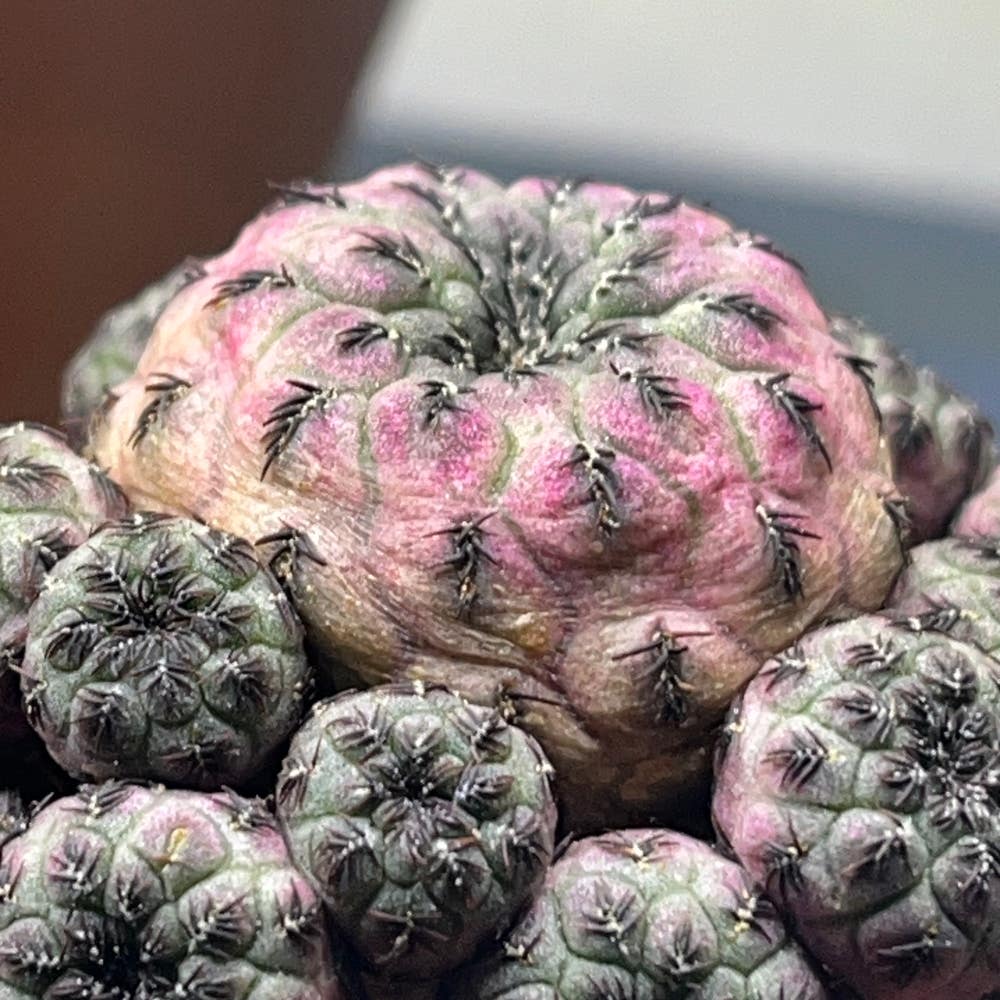
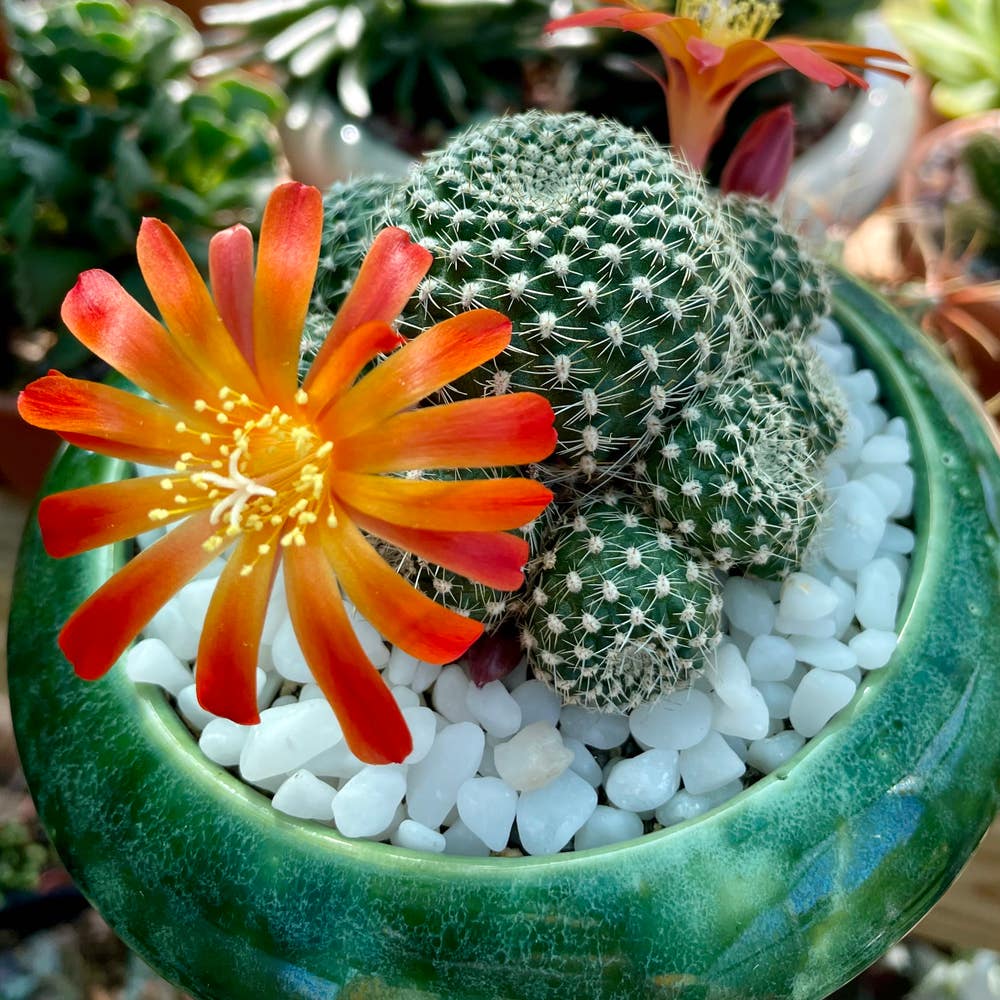
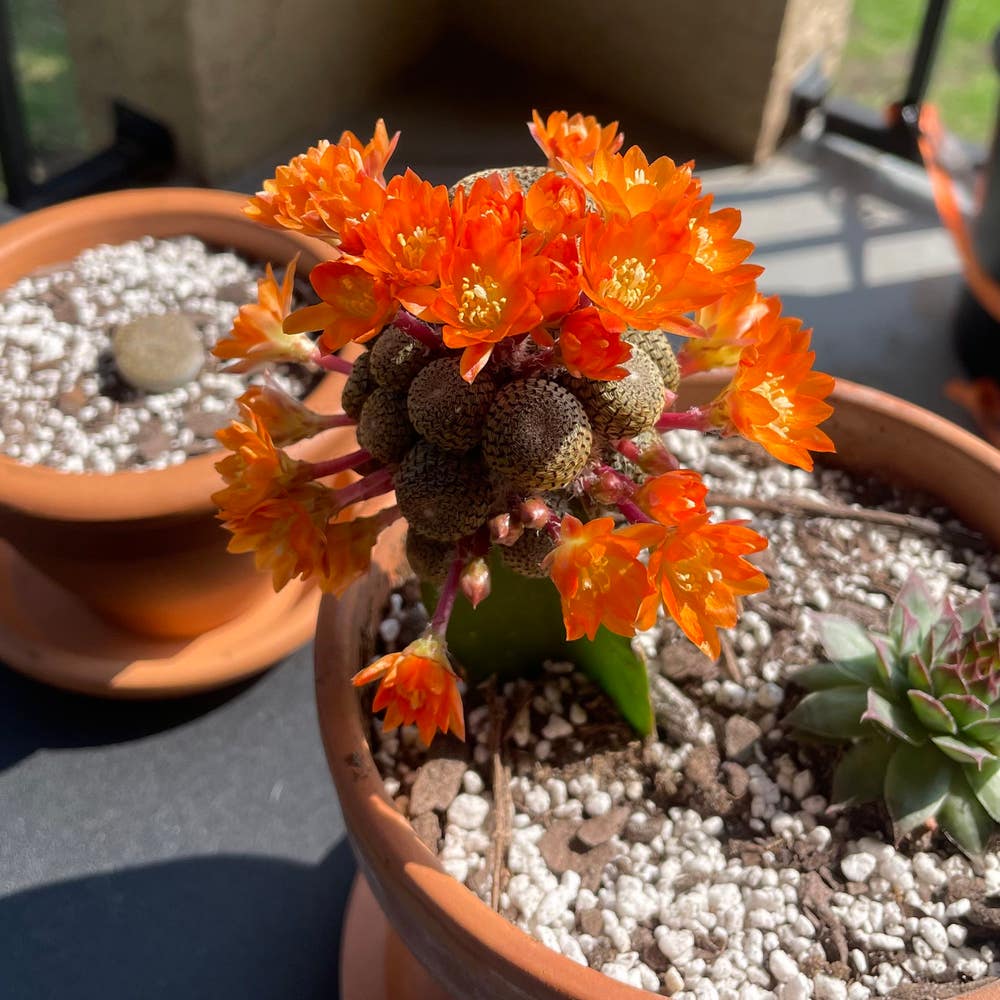
Rebutia cactus showcases a charming small, globular shape, typically reaching heights of 2-10 cm (0.8-4 inches). Its vibrant flowers bloom in spring and summer, adding a splash of color to any garden.
This cactus thrives in well-draining soil, making it an ideal choice for cactus gardening. Its compact size allows it to fit beautifully in various garden designs, from rock gardens to succulent arrangements.
Natural Limits to Growth and Spread Potential 🌵
One of the standout features of Rebutia cactus is its drought tolerance. It requires minimal water, making it perfect for arid environments where other plants might struggle.
This cactus prefers full sun exposure and can tolerate poor soil conditions. Its slow growth and limited spread ensure it won't become invasive, allowing gardeners to enjoy its beauty without worry.
With these growth habits, Rebutia cactus not only enhances garden aesthetics but also contributes positively to the surrounding ecosystem. Next, let's explore its ecological role and the benefits it brings to local wildlife.
Ecological Role
Benefits in Ecosystems 🌼
Rebutia cactus plays a vital role in its ecosystem by attracting pollinators. Its vibrant flowers draw in bees and butterflies, which not only enhances biodiversity but also supports the overall health of the environment.
Additionally, this cactus contributes to soil health. It helps stabilize the soil and prevents erosion in its native habitat, making it an essential player in maintaining ecological balance.
Positive Interactions with Local Wildlife 🦋
Rebutia cactus provides habitat for beneficial insects. It offers shelter and food, creating a thriving microhabitat that supports various insect species.
Moreover, it engages in mutualistic relationships with pollinators. This symbiotic interaction promotes ecosystem health, ensuring that both the cactus and its pollinators flourish together.
As we explore the garden management of Rebutia cactus, we’ll see how to incorporate its ecological benefits into our own gardening practices.
Garden Management
Incorporating into Garden Designs 🌵
Rebutia cactus can be a stunning addition to your garden. Consider using it in rock gardens, succulent arrangements, or as eye-catching focal points.
Pairing Rebutia with other drought-tolerant plants creates a cohesive landscape. This not only enhances visual appeal but also promotes a sustainable gardening approach.
Controlling Growth for Aesthetic Purposes ✂️
Thanks to its slow growth, Rebutia requires minimal pruning. You might only need to remove dead flowers occasionally to keep it looking tidy.
To prevent overcrowding, maintain adequate spacing of 6-12 inches between plants. This ensures each cactus has room to thrive and showcase its unique beauty.
Incorporating Rebutia into your garden design not only enhances aesthetics but also supports sustainable practices. With its low maintenance needs, you can enjoy a vibrant garden without the hassle.
Comparison to Other Plants
🌵 Similar Non-Invasive Plants
When considering non-invasive cacti, Rebutia stands out alongside Echinopsis and Mammillaria. These cacti share a slow growth rate and a non-aggressive nature, making them excellent choices for garden enthusiasts.
Rebutia's unique qualities include its distinctive flower colors and shapes, which can add a vibrant touch to any landscape. Its compact size, typically ranging from 2 to 10 cm, makes it perfect for small gardens or container arrangements.
🌸 Emphasizing Unique Qualities and Potential Benefits
One of the most appealing aspects of Rebutia is its aesthetic charm. The vibrant flowers bloom in spring and summer, creating a stunning visual display that can brighten up any garden.
Additionally, Rebutia is low maintenance, requiring minimal care. This makes it an ideal option for busy gardeners who want to enjoy beautiful plants without the hassle of extensive upkeep.
Incorporating Rebutia into your garden not only enhances its beauty but also supports sustainable gardening practices. Its drought tolerance and ability to thrive in poor soil conditions make it a smart choice for eco-conscious gardeners.
As you explore the world of non-invasive plants, consider how Rebutia can complement your garden design while providing unique benefits. Next, let’s dive into the legal and environmental considerations surrounding this delightful cactus.
Legal and Environmental Considerations
Relevant Classifications and Guidelines 🌱
When considering the Rebutia cactus for your garden, it's essential to check local regulations regarding cactus planting and care. Many regions recognize this plant as non-invasive, allowing you to cultivate it without legal restrictions.
This classification highlights its status as a beneficial addition to gardens, promoting a healthy ecosystem without the risk of ecological harm.
Role in Sustainable Gardening Practices ♻️
The Rebutia cactus is a champion of water conservation, thriving in arid conditions with minimal water needs. This drought-tolerant nature makes it an excellent choice for sustainable gardening.
Moreover, its vibrant flowers attract various pollinators, enhancing biodiversity in your garden. By incorporating this cactus, you're not just beautifying your space; you're also fostering wildlife interactions that contribute to a thriving ecosystem.
In summary, the Rebutia cactus stands out as a responsible choice for gardeners looking to make environmentally friendly decisions. Next, let’s explore how to effectively incorporate this unique plant into your garden designs.
⚠️ Safety First
This content is for general information and may contain errors, omissions, or outdated details. It is not medical, veterinary advice, or an endorsement of therapeutic claims.
Always consult a qualified healthcare professional before using any plant as food, medicine, or supplement.
Never eat any plant (or feed one to pets) without confirming its identity with at least two trusted sources.
If you suspect poisoning, call Poison Control (800) 222-1222, the Pet Poison Helpline (800) 213-6680, or your local emergency service immediately.
Spotted an error? Please report it here.
Transform your garden with the stunning Rebutia cactus 🌵 and let Greg provide custom watering reminders to keep your vibrant blooms thriving all season long!