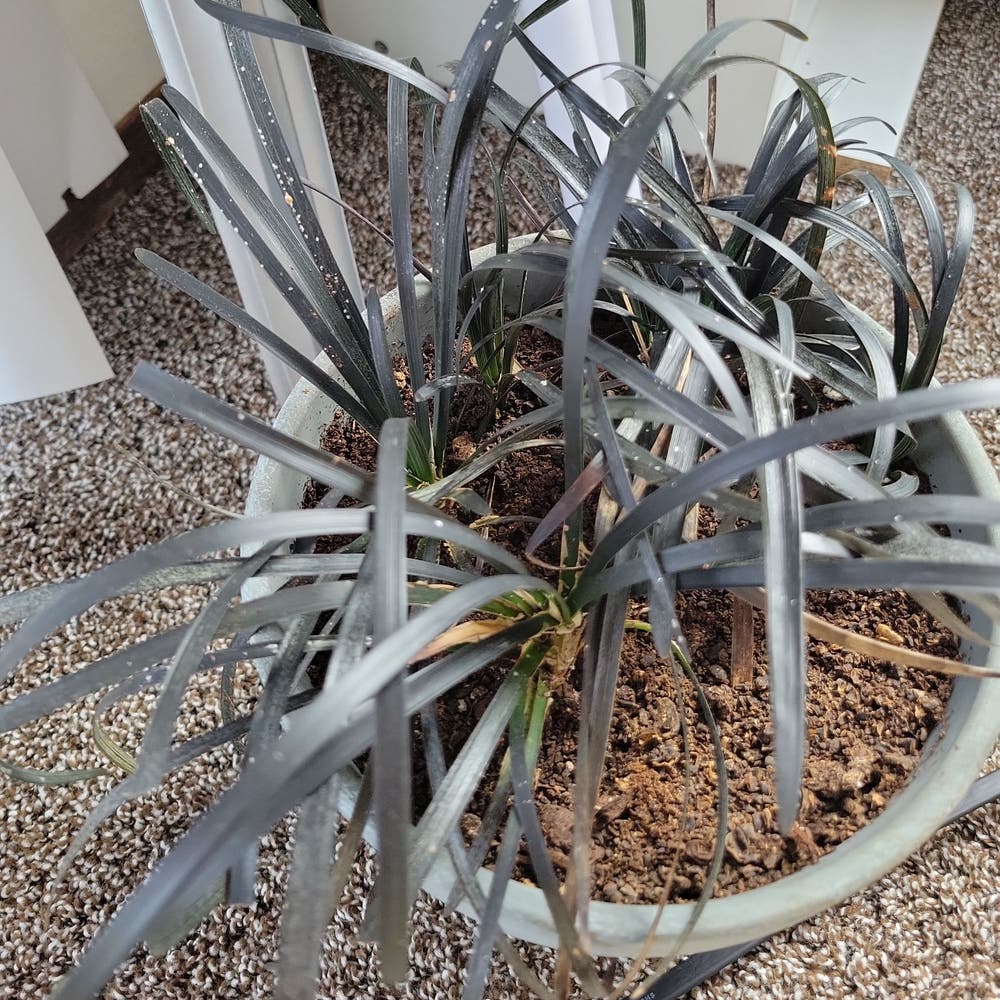
Determining What Might Be Eating Your Aztec grass 🐞
Ophiopogon intermedius
By the Greg Editorial Team
Aug 10, 2024•7 min read
This article was created with the help of AI so we can cover more plants for you. May contain errors. See one? Report it here.
- 🐇 Herbivores like deer, rabbits, and squirrels love tender Aztec grass shoots.
- 🚫 Effective deterrents include fencing, repellents, and scare tactics to protect your grass.
- 🌱 Encouraging biodiversity enhances plant health and resilience against herbivore damage.
Description and Appearance
Characteristics 🌿
Aztec grass is known for its fine-textured foliage, which gives it a delicate appearance. Typically, it grows to a height of 2 to 3 feet, showcasing vibrant green leaves that can turn light brown in drier conditions.
Most Appealing Parts to Animals 🐾
The young shoots of Aztec grass are particularly tender and nutritious, making them a favorite among herbivores. Additionally, the flowering parts attract animals due to their soft texture, while the nutrient-rich fruits draw in various creatures looking for a snack.
Understanding these characteristics can help you better protect your Aztec grass from potential threats. By recognizing what attracts animals, you can implement effective strategies to safeguard your garden.
Common Herbivores Affecting Aztec Grass
🦌 Deer
Signs of Presence
Look for distinct hoof prints in muddy areas and dark, pellet-like droppings near your Aztec grass. These signs indicate that deer are frequent visitors.
Type of Damage Caused
Deer love to browse on foliage, stripping leaves and stunting growth. Young shoots are particularly vulnerable, leading to reduced vigor and aesthetic appeal.
Beneficial vs. Harmful Interaction
While deer can be a beautiful part of nature, their impact is generally harmful. Without management, they can decimate grass populations.
Deterrent Methods (Difficulty: Moderate)
To keep deer at bay, consider installing 8-foot tall fencing as a physical barrier. Alternatively, use chemical repellents, whether commercial products or homemade solutions like garlic spray.
🐇 Rabbits
Signs of Presence
Rabbits leave behind clean cuts on grass blades and small, round droppings scattered around. These signs can help you identify their presence.
Type of Damage Caused
Grazing on young shoots can significantly reduce plant height and overall health. If left unchecked, rabbits can wreak havoc on your garden.
Beneficial vs. Harmful Interaction
Rabbits are generally harmful, especially when populations are high. Their feeding habits can lead to severe plant damage.
Deterrent Methods (Difficulty: Easy)
Netting is an effective way to cover plants and prevent access. You can also use organic repellents, like scents from peppermint or cayenne pepper, to deter them.
🐿️ Squirrels
Signs of Presence
Look for irregular bite marks on foliage and nests visible in nearby trees or shrubs. These clues indicate squirrel activity.
Type of Damage Caused
Squirrels can weaken plant structure by stripping bark and foraging for seeds and young shoots. Their activities can disrupt overall plant health.
Beneficial vs. Harmful Interaction
Squirrels are generally harmful to your Aztec grass. Their foraging can lead to significant disruption in growth.
Deterrent Methods (Difficulty: Moderate)
Use scare tactics like reflective objects or noise-making devices to keep squirrels away. Live traps can also be effective for relocation.
🐦 Birds
Signs of Presence
Peck marks on leaves and stems, along with nests in nearby trees, are signs that birds are around. They can be both beneficial and problematic.
Type of Damage Caused
Birds forage for seeds and young shoots, which can lead to plant damage. During nesting season, they may also trample grass.
Beneficial vs. Harmful Interaction
While birds can be beneficial as pollinators and seed dispersers, they can cause localized damage. It's a mixed bag when it comes to their impact.
Deterrent Methods (Difficulty: Easy)
Using decoys, like predator models, can scare birds away. Hanging shiny materials can also deter foraging.
🐭 Rodents (Mice, Voles)
Signs of Presence
Look for small burrows or trails in the grass and dark, small pellets near burrows. These indicate rodent activity.
Type of Damage Caused
Rodents can cause root damage by feeding on roots, leading to plant decline. They also graze on young shoots and foliage.
Beneficial vs. Harmful Interaction
Rodents are generally harmful to your Aztec grass. Their feeding habits can severely impact plant health.
Deterrent Methods (Difficulty: Hard)
Consider using snap traps or live traps for removal. Habitat modification, such as reducing cover and food sources nearby, can also help.
🦡 Groundhogs/Woodchucks
Signs of Presence
Look for large burrows near the grass and distinctive gnaw marks on stems. These signs indicate groundhog activity.
Type of Damage Caused
Groundhogs can decimate large areas of grass through extensive grazing. Their burrowing can also disturb root systems.
Beneficial vs. Harmful Interaction
Groundhogs are generally harmful, causing significant plant damage and ecosystem disruption. Their presence can lead to serious issues in your garden.
Deterrent Methods (Difficulty: Moderate)
To deter groundhogs, bury wire mesh 12 inches deep to prevent burrowing. Chemical repellents with scents that deter them can also be effective.
Understanding these common herbivores and their impacts on Aztec grass is crucial for maintaining a healthy garden. Next, we’ll explore beneficial animals and their roles in the ecosystem.
Beneficial Animals and Ecosystem Roles
🌼 Positive Impacts on the Garden Ecosystem
In any garden, beneficial animals play a crucial role in maintaining balance. Pollinators like bees and butterflies not only add beauty but also enhance flowering, leading to more vibrant and productive plants.
Predatory insects, such as ladybugs and lacewings, are nature's pest controllers. They help keep harmful insect populations in check, ensuring your Aztec grass and other plants thrive without excessive chemical intervention.
🌱 The Importance of Biodiversity
Encouraging a diverse range of wildlife can create a healthier garden ecosystem. Each species contributes uniquely, from pollination to pest control, fostering a thriving environment for your plants.
By understanding and appreciating these beneficial interactions, you can cultivate a garden that not only looks good but also functions optimally. This balance is essential for long-term success and sustainability in your gardening efforts.
🏡 Creating a Welcoming Habitat
To attract these helpful creatures, consider planting a variety of flowers and native plants. This diversity provides food and shelter, encouraging pollinators and beneficial insects to make your garden their home.
Incorporating these elements not only enhances your garden's beauty but also promotes a thriving ecosystem. As you nurture your Aztec grass, remember that a healthy garden is a collaborative effort between plants and the wildlife that supports them.
This understanding sets the stage for exploring general strategies for protecting your Aztec grass from potential threats while maintaining this delicate balance.
General Strategies for Protecting Aztec Grass
🛡️ Preventive Measures
To keep your Aztec grass thriving, start with fencing. Installing physical barriers can effectively deter larger herbivores like deer and groundhogs.
Another smart tactic is companion planting. By choosing plants that repel herbivores or attract beneficial insects, you can create a more balanced garden ecosystem.
🚨 Reactive Solutions
If you notice unwanted visitors, consider using traps. These can provide immediate relief by removing problematic animals from your garden.
Additionally, repellents—both chemical and organic—can help deter feeding. Options like garlic spray or commercial repellents can be effective in keeping herbivores at bay.
🌱 Balancing Ecosystem Health While Protecting Plants
It's crucial to understand the role of herbivores in the ecosystem. While they can be damaging, they also contribute to a balanced environment.
Implementing integrated pest management strategies can help you maintain this balance. By combining preventive and reactive measures, you can protect your Aztec grass while fostering a healthy garden ecosystem.
With these strategies in place, you'll be better equipped to enjoy the beauty of your Aztec grass without the worry of herbivore damage. Next, let’s explore the seasonal considerations that can affect your garden's health.
Seasonal Considerations
🌱 Seasonal Variations in Animal Attraction
As spring rolls in, herbivores become more active, drawn to the fresh growth of Aztec grass. This surge in activity is a natural response to the emergence of tender shoots, making your garden a buffet for hungry animals.
In summer, feeding peaks as many animals take advantage of the lush foliage. This is the time when your Aztec grass faces its greatest threat, so vigilance is key.
⏰ Timing of Plant Vulnerability
Young shoots are particularly vulnerable in early spring. This is when they are at their most tender and nutritious, making them irresistible to various herbivores.
During flowering periods, the allure increases even further. The soft, flowering parts attract a range of animals, heightening the need for protective measures in your garden.
Understanding these seasonal dynamics can help you better protect your Aztec grass and maintain a thriving garden ecosystem. As you prepare for the changing seasons, consider implementing strategies to safeguard your plants from these seasonal visitors.
Toxicity and Safety
Discussion of Toxic Effects 🌱
Aztec grass is generally non-toxic, posing minimal risk to most herbivores. However, excessive consumption can lead to digestive discomfort, so moderation is key.
Implications for Herbivore Interactions 🦙
Understanding the balance between attraction and deterrence is crucial. While Aztec grass can draw in various herbivores, managing their populations helps maintain a healthy garden ecosystem.
By fostering a harmonious environment, you can enjoy the beauty of your Aztec grass while minimizing potential damage from hungry visitors.
⚠️ Safety First
This content is for general information and may contain errors, omissions, or outdated details. It is not medical, veterinary advice, or an endorsement of therapeutic claims.
Always consult a qualified healthcare professional before using any plant as food, medicine, or supplement.
Never eat any plant (or feed one to pets) without confirming its identity with at least two trusted sources.
If you suspect poisoning, call Poison Control (800) 222-1222, the Pet Poison Helpline (800) 213-6680, or your local emergency service immediately.
Spotted an error? Please report it here.
Protect your Aztec grass from pesky herbivores 🦌 by using Greg's personalized care tips and community insights to keep your garden thriving and beautiful!