🌾 How to Recognize and Treat Root Rot in Your Aztec grass
Ophiopogon intermedius
By the Greg Editorial Team
Aug 10, 2024•4 min read
This article was created with the help of AI so we can cover more plants for you. May contain errors. See one? Report it here.
- 🌱 Key signs of root rot: Yellowing leaves, wilting, and dark, mushy roots indicate trouble.
- 💧 Test soil moisture regularly to prevent soggy conditions that cause root rot.
- ✂️ Trim damaged roots and use fungicides to treat and prevent root rot effectively.
Diagnosing Root Rot
👀 Visual Signs to Look For
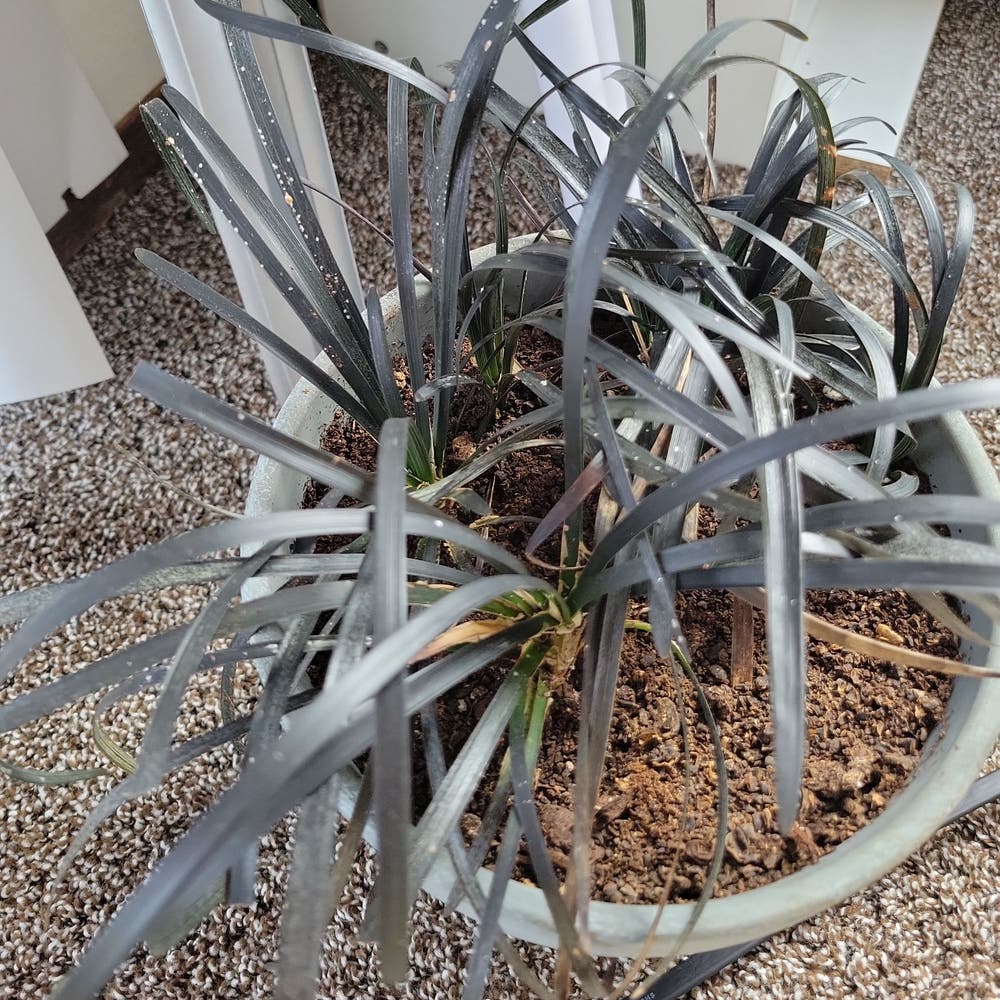
Recognizing root rot starts with observing your Aztec grass. Look for yellowing leaves, wilting, or browning tips, which are clear indicators of distress.
Next, check the roots. Dark, mushy roots are a telltale sign that your plant may be suffering from root rot.
🌧️ Soil Testing for Moisture Levels
To assess soil moisture, use a moisture meter or perform a simple finger test. Aim for slightly moist soil; soggy conditions can lead to root rot.
Maintaining ideal moisture levels is crucial for the health of your Aztec grass.
🔍 Root Examination Techniques
When diagnosing root rot, the first step is to carefully remove the Aztec grass from its pot. This allows you to inspect the roots directly.
Examine the roots for color, texture, and overall health. Healthy roots should be firm and white, while unhealthy ones may appear dark and mushy.
By understanding these signs and techniques, you can effectively diagnose root rot and take action before it's too late. Next, let’s explore how to treat root rot effectively.
Treating Root Rot
🛠️ Step-by-Step Treatment Process
Treating root rot in your Aztec grass requires careful attention. Start by removing the affected plant from the soil.
Next, trim away all damaged roots using sterilized scissors. This step is crucial to prevent the spread of rot.
Rinse the healthy roots under running water to eliminate any lingering soil and pathogens. This ensures that you’re starting fresh.
Finally, allow the roots to dry for a few hours before replanting. This drying period helps to prevent further issues.
💊 Recommended Fungicides or Treatments
To combat root rot effectively, consider using a systemic fungicide specifically designed for this issue. These products can penetrate the plant's system and help eradicate the problem.
If you prefer natural alternatives, neem oil or cinnamon can be effective treatments. Both options have antifungal properties that can assist in recovery.
🌱 Repotting Techniques for Affected Plants
When repotting your Aztec grass, choose a pot that has drainage holes and is slightly larger than the previous one. Proper drainage is essential for preventing future rot.
Select a well-draining soil mix, such as cactus or succulent mix. This type of soil promotes healthy root growth and reduces moisture retention.
When replanting, position the plant at the same depth as before and water lightly. This helps the plant acclimate without overwhelming it.
By following these steps, you can effectively treat root rot and give your Aztec grass a chance to thrive again. Next, let’s explore how to prevent root rot from occurring in the first place.
Preventing Root Rot
Importance of Proper Watering Techniques 🌊
Watering is crucial for the health of your Aztec grass. Allow the top inch of soil to dry out before watering again to prevent soggy conditions.
Water deeply but infrequently. This method encourages deeper root growth and helps your plant thrive.
Soil Selection and Drainage Solutions 🏞️
Choosing the right soil is essential for preventing root rot. Opt for sandy or loamy soil that promotes excellent drainage.
Consider adding amendments like perlite or coarse sand. These materials improve drainage and help keep your roots healthy.
Seasonal Care Tips to Avoid Overwatering 🌦️
Adjust your watering schedule with the seasons. During cooler months, decrease the frequency to avoid excess moisture.
Keep an eye on rainfall, too. Natural precipitation can significantly affect soil moisture, so be mindful of how it impacts your watering routine.
By implementing these preventive measures, you can keep your Aztec grass thriving and resilient against root rot. Next, let’s explore how to monitor plant health effectively.
Monitoring Plant Health
Regular Checks for Root Health 🌱
To keep your Aztec grass thriving, schedule root inspections every few months. This is especially crucial after heavy rains, as excess moisture can lead to root rot.
Look for early signs of distress, such as yellowing leaves or wilting. Catching these symptoms early can make a significant difference in treatment success.
Signs of Recovery After Treatment 🌿
After addressing root rot, monitor for new growth. Fresh leaves and shoots are excellent indicators that your plant is bouncing back.
You should also notice an improved color in the leaves. A return to vibrant green signifies that your Aztec grass is regaining its health.
Long-Term Care Strategies for Aztec Grass 🌍
Consistent maintenance is key to preventing future issues. Regularly check soil moisture and drainage to ensure optimal conditions.
Adjust your care practices seasonally. Modifying your watering and maintenance routines based on weather changes can help keep your Aztec grass healthy year-round.
By staying vigilant and proactive, you can enjoy a flourishing Aztec grass that enhances your garden's beauty. Now, let’s explore how to prevent root rot effectively.
⚠️ Safety First
This content is for general information and may contain errors, omissions, or outdated details. It is not medical, veterinary advice, or an endorsement of therapeutic claims.
Always consult a qualified healthcare professional before using any plant as food, medicine, or supplement.
Never eat any plant (or feed one to pets) without confirming its identity with at least two trusted sources.
If you suspect poisoning, call Poison Control (800) 222-1222, the Pet Poison Helpline (800) 213-6680, or your local emergency service immediately.
Spotted an error? Please report it here.
Revive your Aztec grass from root rot with proactive care 🌱, and let Greg guide you with personalized watering reminders and soil moisture tracking for a flourishing plant!