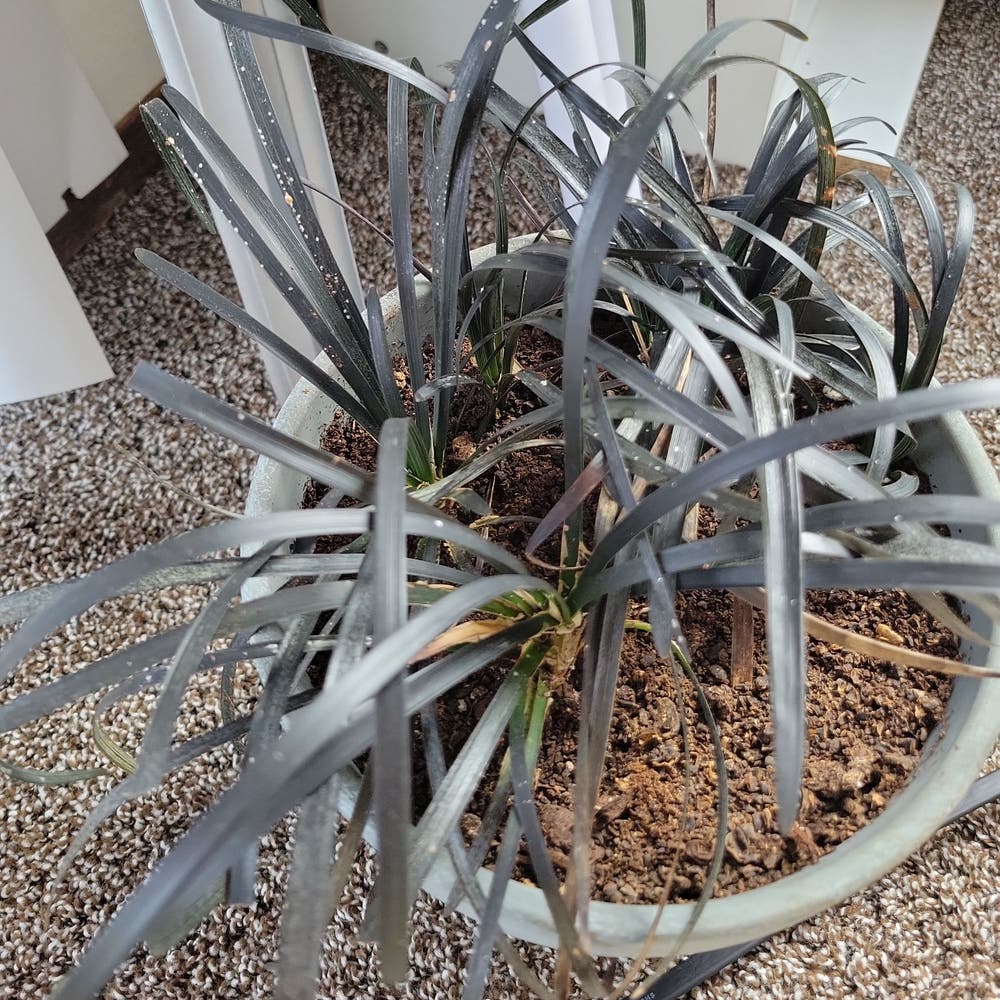
🔍 How to Fix Black Spots on Your Aztec grass
Ophiopogon intermedius
By the Greg Editorial Team
Aug 10, 2024•4 min read
This article was created with the help of AI so we can cover more plants for you. May contain errors. See one? Report it here.
- 🔍 Regularly inspect Aztec grass for black spots to catch issues early.
- 🌱 Fungal infections and pests can cause black spots; identify and treat promptly.
- 💧☀️ Maintain proper watering and sunlight to prevent black spots on your grass.
Diagnosing Black Spots
🔍 Visual Inspection Techniques
Assessing Leaf Condition
Start by closely examining the leaves of your Aztec grass. Look for any black spots, which can indicate underlying issues.
Identifying Patterns
Pay attention to how the spots are distributed. A random spread may suggest different problems than clusters, helping you narrow down the cause.
🦠 Differentiating Between Fungal and Pest-Related Issues
Signs of Fungal Infections
Fungal black spots often appear as dark, irregular patches. These spots may also have a fuzzy or powdery texture, indicating a more serious infection.
Pest-Related Symptoms
Look for signs of pests like aphids and spider mites. These tiny invaders can cause yellowing leaves and webbing, which are telltale signs of their presence.
💧 Soil and Moisture Analysis
Checking Soil Moisture
Assessing soil moisture is crucial for your grass's health. Use your finger or a moisture meter to check how damp the soil is beneath the surface.
Soil Testing
Conducting a soil test can reveal pH and nutrient levels. This information is vital for diagnosing issues and ensuring your Aztec grass thrives.
By understanding these diagnostic techniques, you can effectively identify the cause of black spots on your Aztec grass. Next, we’ll explore various treatment options to help restore its health.
Treatment Options for Black Spots
💊 Chemical Treatments
When tackling black spots on your Aztec grass, chemical treatments can be highly effective. Recommended fungicides include those containing active ingredients like chlorothalonil and propiconazole, which target fungal infections specifically.
Proper application is crucial for success. Always follow the manufacturer's instructions, ensuring even coverage on affected areas while avoiding over-saturation.
🌱 Organic Treatment Methods
If you prefer a more natural approach, consider organic fungicides. Neem oil and baking soda are popular choices that can help combat black spots without harsh chemicals.
Organic treatments offer several benefits, including being safer for pets and beneficial insects. They also contribute to healthier soil and grass in the long run.
🏠 Home Remedies for Black Spots
DIY solutions can be both effective and economical. Common recipes include mixing water with baking soda or diluted neem oil, which can be sprayed directly onto the affected areas.
For best results, apply these home remedies every 7 to 14 days. Consistency is key to seeing improvement and preventing future outbreaks.
By exploring these treatment options, you can effectively manage black spots on your Aztec grass. Next, let’s dive into how to prevent these pesky spots from appearing in the first place.
Preventing Black Spots
🌊 Best Practices for Watering
Establishing a consistent watering schedule is crucial for maintaining healthy Aztec grass. Aim to water deeply but infrequently, ideally about once a week, to encourage strong root growth.
To avoid overwatering, consider using a moisture meter or simply stick your finger into the soil. If the top inch feels dry, it’s time to water; if it’s still moist, hold off.
☀️ Importance of Sunlight and Air Circulation
Aztec grass thrives in bright sunlight, so ensure it receives at least 6 to 8 hours of direct sunlight daily. This exposure helps prevent the conditions that lead to black spots.
Improving air circulation around your grass is equally important. Trim back any nearby plants or shrubs that may block airflow, allowing your grass to breathe and dry out after watering.
✂️ Regular Maintenance Tips
Mowing your Aztec grass at the right height is essential for its health. Keep it trimmed to about 2 to 3 inches, and mow regularly to prevent it from becoming too tall and susceptible to disease.
Seasonal care is also key. Adjust your maintenance routine based on the weather—more frequent watering during hot months and less during cooler seasons will keep your grass looking its best.
By following these preventive measures, you can significantly reduce the risk of black spots on your Aztec grass. Next, let’s explore effective treatment options if you do encounter these pesky spots.
⚠️ Safety First
This content is for general information and may contain errors, omissions, or outdated details. It is not medical, veterinary advice, or an endorsement of therapeutic claims.
Always consult a qualified healthcare professional before using any plant as food, medicine, or supplement.
Never eat any plant (or feed one to pets) without confirming its identity with at least two trusted sources.
If you suspect poisoning, call Poison Control (800) 222-1222, the Pet Poison Helpline (800) 213-6680, or your local emergency service immediately.
Spotted an error? Please report it here.
Keep your Aztec grass healthy and spot-free 🌿 by using Greg's tailored care reminders and moisture checks to ensure it thrives all year round!