✂️ 4 Tips for Pruning Aztec grass
Ophiopogon intermedius
By the Greg Editorial Team
Aug 10, 2024•5 min read
This article was created with the help of AI so we can cover more plants for you. May contain errors. See one? Report it here.
- 🌱 Prune Aztec grass in late winter to early spring for optimal health.
- ✂️ Signs for pruning include overgrowth, dead foliage, and wilting flower spikes.
- 🛠️ Use sharp tools and deadhead flowers to promote new growth and aesthetics.
When to Prune
🌱 Seasonal Timing for Pruning
The best time to prune Aztec grass is during late winter to early spring, specifically from February to March. This timing allows the plant to recover and thrive as it enters its growing season.
Regional climate variations can affect this timing. For instance, in warmer areas, you might start pruning earlier, while cooler regions may require a later approach. Always consider your local weather patterns to optimize your pruning schedule.
✂️ Signs Indicating the Need for Pruning
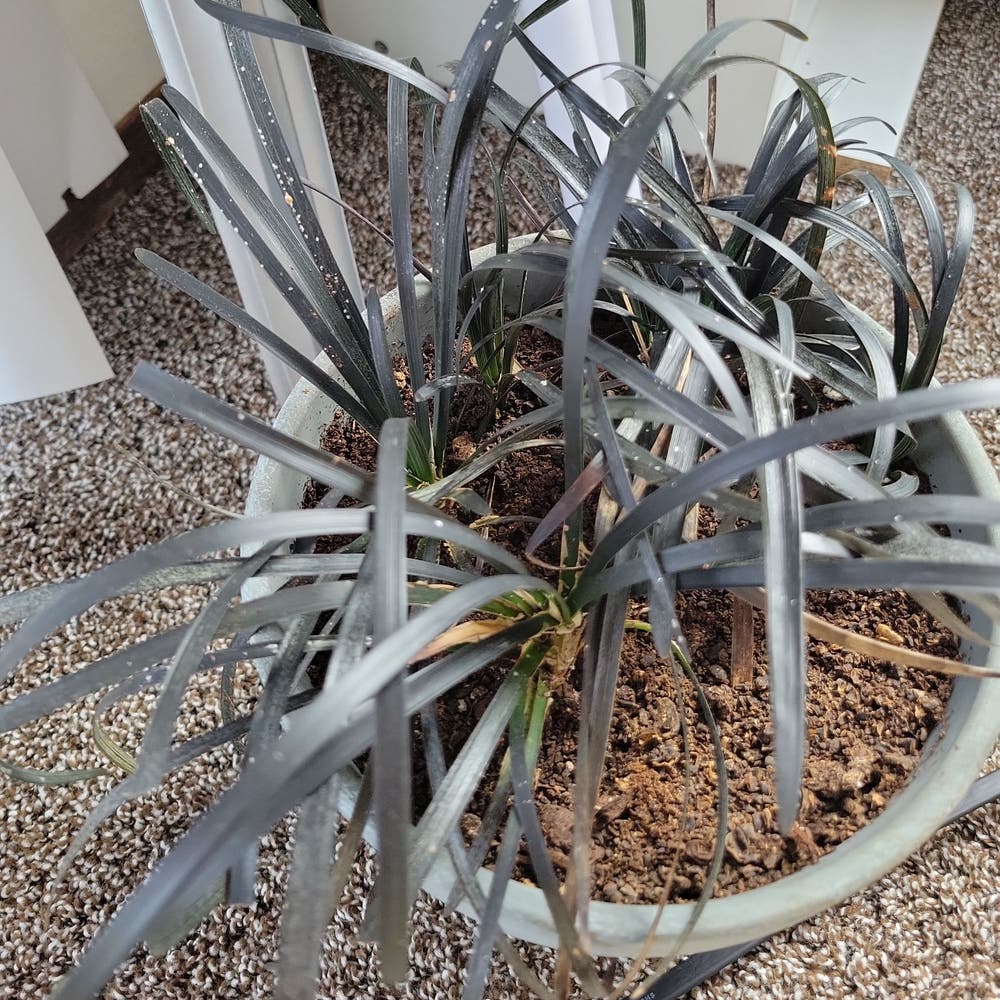
Recognizing when to prune is crucial for maintaining healthy Aztec grass. An overgrown appearance is a clear indicator; if the grass height exceeds your desired levels, it’s time to take action.
Look for dead or damaged foliage as another sign. Yellowing or browning leaves can detract from the plant's overall beauty. Additionally, keep an eye on flower spikes. If they show signs of fading or wilting, it’s a signal that deadheading is necessary to keep your grass looking vibrant.
By staying attuned to these signs, you can ensure your Aztec grass remains healthy and visually appealing. Now that you know when to prune, let’s dive into how to do it effectively!
How to Prune
Step-by-Step Pruning Instructions 🌱
Pruning Aztec grass is straightforward and rewarding. Start by assessing the plant to identify areas that need attention.
Next, gather your tools. Sharp pruning shears or scissors are essential for clean cuts.
Now, cut back the foliage. Aim to trim it down to about 6-12 inches above the ground.
Remove any dead or damaged leaves. Focus on areas that detract from the plant's overall appearance.
Finally, shape the plant. Maintain a natural arching form to keep it looking its best.
Recommended Tools for Pruning 🛠️
Using the right tools makes all the difference. Pruning shears are ideal for achieving clean cuts on foliage.
Don’t forget to wear gloves. They protect your hands from sharp edges while you work.
A rake is also handy. It helps collect cuttings and debris, ensuring a tidy finish to your pruning session.
With these steps and tools, you’ll have your Aztec grass looking fresh and vibrant in no time. Ready to learn about deadheading next?
Deadheading
🏵️ Rationale for Deadheading
Deadheading is essential for promoting new growth in Aztec grass. By removing spent flowers, you redirect the plant's energy away from seed production, allowing it to thrive.
Additionally, deadheading enhances the aesthetic appeal of your garden. Keeping the plant free of wilting flowers ensures it looks fresh and vibrant throughout the growing season.
✂️ Step-by-Step Deadheading Instructions
Identify spent flower spikes: Look for wilting or brown flowers that detract from the plant's beauty.
Use clean pruning shears: Make precise cuts just above the foliage to encourage healthy regrowth.
Dispose of cuttings: Properly discard the cuttings to prevent any potential disease spread in your garden.
By following these simple steps, you can keep your Aztec grass looking its best while fostering new growth. Now that you know how to deadhead effectively, let’s explore common pruning mistakes to avoid.
Common Pruning Mistakes
🛑 Mistakes to Avoid When Pruning
Pruning can be a delicate task, and a few common mistakes can hinder your Aztec grass's growth.
- Cutting too low: This can damage the plant and stunt its growth, leading to a less vibrant appearance.
- Pruning at the wrong time: Timing is crucial; pruning during the wrong season may disrupt the natural growth cycle.
- Neglecting to clean tools: Dirty tools can spread diseases, putting your plants at risk.
🔧 How to Correct Pruning Errors
If you find yourself having made a mistake, don't panic; there are ways to remedy the situation.
- If cut too low: Allow the plant to recover naturally. Resist the urge to cut further, as this can cause more harm.
- If pruned at the wrong time: Keep a close eye on your plant's health. Adjust your care practices based on how the plant responds to the unexpected pruning.
By avoiding these pitfalls and knowing how to correct them, you can ensure your Aztec grass remains healthy and thriving. Next, let’s explore the essential aftercare for your pruned grass to promote its recovery and growth.
Post-Pruning Care
🌱 Aftercare for Pruned Grass
After pruning your Aztec grass, proper aftercare is essential for its recovery. Start by ensuring adequate moisture; water the grass without overdoing it to prevent root rot.
Fertilization can also play a role in recovery. A light feeding can help boost growth, but it's optional—your grass may thrive just fine with water alone.
🔍 Monitoring Plant Health Post-Pruning
Regular inspections are crucial after pruning. Keep an eye out for new growth, which is a good sign, and watch for any signs of stress, like wilting or discoloration.
Adjust your care practices based on how the plant responds. If it seems to struggle, consider tweaking your watering schedule or light exposure to help it bounce back.
With attentive care, your Aztec grass will flourish, setting the stage for vibrant growth in the coming seasons.
⚠️ Safety First
This content is for general information and may contain errors, omissions, or outdated details. It is not medical, veterinary advice, or an endorsement of therapeutic claims.
Always consult a qualified healthcare professional before using any plant as food, medicine, or supplement.
Never eat any plant (or feed one to pets) without confirming its identity with at least two trusted sources.
If you suspect poisoning, call Poison Control (800) 222-1222, the Pet Poison Helpline (800) 213-6680, or your local emergency service immediately.
Spotted an error? Please report it here.
Keep your Aztec grass thriving and beautiful 🌿 by using Greg's tailored pruning reminders and expert care tips to ensure you never miss the perfect moment to prune!