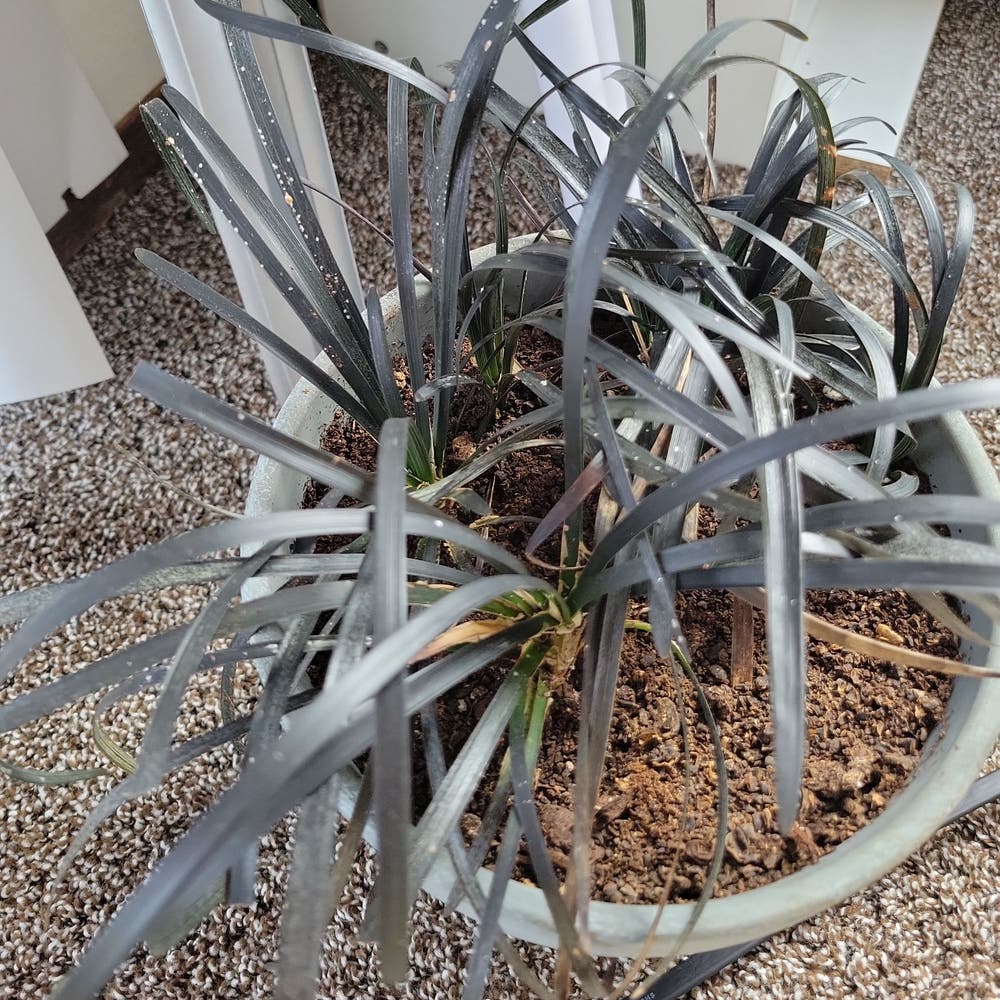
📏 Understanding Aztec grass Height
Ophiopogon intermedius
By the Greg Editorial Team
Aug 10, 2024•4 min read
This article was created with the help of AI so we can cover more plants for you. May contain errors. See one? Report it here.
- 🌱 Aztec grass grows 2-3 feet tall under optimal conditions, with some varieties reaching over 4 feet.
- ☀️ Full sun (6-8 hours) and nutrient-rich soil are crucial for healthy growth.
- ✂️ Regular pruning promotes bushier growth and helps control height effectively.
Mature Height and Spread
🌱 Typical Mature Dimensions
Aztec grass typically reaches a mature height of 2 to 3 feet and spreads about 3 to 4 feet. This compact size makes it a versatile choice for various landscaping needs.
📏 Factors Influencing Mature Size
The height and spread of Aztec grass can vary significantly based on environmental conditions.
Optimal Soil Quality
Nutrient-rich, well-draining soil is crucial for maximizing growth.
Adequate Sunlight Exposure
Aztec grass thrives in full sun, ideally receiving 6 to 8 hours of sunlight daily.
Consistent Watering Practices
Regular watering helps maintain moisture levels, promoting healthier and more robust growth.
By understanding these factors, you can create the ideal conditions for your Aztec grass to flourish. This knowledge sets the stage for exploring its growth rate and time to reach full size.
Growth Rate and Time to Reach Full Size
🌱 Understanding Growth Rate
Aztec grass boasts a moderate growth rate, which can fluctuate based on various environmental factors. Under ideal conditions, it typically takes about 2 to 3 years to reach its full size.
⚙️ Factors Affecting Growth Rate
Several key elements influence how quickly Aztec grass matures:
Soil Quality
Nutrient-rich soils significantly boost growth speed. The better the soil, the faster the grass can thrive.
Water Availability
Consistent moisture is crucial for quicker maturation. Regular watering helps maintain optimal growth conditions.
Sunlight Exposure
Aztec grass flourishes in full sun, ideally receiving 6 to 8 hours of sunlight daily. This exposure enhances its growth rate, allowing it to reach its potential more rapidly.
Understanding these factors can help you cultivate a thriving Aztec grass lawn. By optimizing soil, water, and sunlight conditions, you can enjoy a lush, vibrant landscape in just a few years.
Next, we'll explore how environmental conditions can lead to size variability in Aztec grass.
Size Variability Based on Environmental Conditions
🌍 Environmental Factors Impacting Size
The size of Aztec grass can vary significantly based on several environmental factors.
Soil Type
Well-draining, fertile loam promotes healthy growth, while compacted clay can stunt development.
Sunlight Exposure
Full sun, ideally 6-8 hours daily, encourages robust growth. In contrast, partial shade can limit height and spread.
Watering Practices
Consistent watering is crucial; overwatering can lead to root rot, while underwatering may cause stunted growth.
📏 Examples of Size Variability
The differences in height and spread of Aztec grass are striking across various conditions.
In optimal environments, you might see grass reaching its full potential of 3 feet tall and 4 feet wide.
Conversely, in less favorable conditions, it may struggle to exceed 1.5 feet in height and 2 feet in spread.
Case Studies
In a garden with nutrient-rich soil and full sun, Aztec grass flourished, creating a lush, vibrant landscape.
However, in a shaded area with compacted soil, the same species appeared sparse and underwhelming.
Understanding these environmental impacts can help you create the ideal conditions for your Aztec grass to thrive.
Next, we’ll explore the differences between dwarf and giant varieties, offering insights into their unique characteristics and uses.
Dwarf vs. Giant Varieties
Dwarf Varieties 🌱
Dwarf Aztec grass features a compact growth habit, typically standing under 2 feet tall. These varieties are perfect for small gardens, container planting, or as borders, adding lush greenery without overwhelming the space.
Giant Varieties 🌳
On the other hand, giant Aztec grass can exceed the typical height range, reaching up to 4 feet. They serve well for background planting, creating privacy screens, or acting as striking focal points in larger landscapes.
Understanding the differences between these varieties helps you choose the right one for your garden needs. Whether you’re looking to fill a small nook or create a bold statement, Aztec grass has options that cater to your vision.
Next, let’s explore how to control the size of your Aztec grass to fit your garden perfectly.
Controlling Size
✂️ Pruning Techniques for Size Management
Pruning is essential for managing the size of Aztec grass. It encourages bushier growth and helps control height, making your garden look neat and vibrant.
⏰ Timing and Frequency of Pruning
The best time to prune is late winter or early spring, just before new growth begins. Depending on the growth rate, aim to prune annually or biannually for optimal results.
📏 Other Methods to Control Dimensions
Dividing clumps is another effective way to manage size. This not only reduces dimensions but also promotes healthier growth.
Adjusting watering and fertilization practices can also influence overall size. By fine-tuning these elements, you can achieve the desired dimensions for your Aztec grass.
With these techniques, you can maintain a beautiful and manageable garden. Next, let’s explore the differences between dwarf and giant varieties of Aztec grass.
⚠️ Safety First
This content is for general information and may contain errors, omissions, or outdated details. It is not medical, veterinary advice, or an endorsement of therapeutic claims.
Always consult a qualified healthcare professional before using any plant as food, medicine, or supplement.
Never eat any plant (or feed one to pets) without confirming its identity with at least two trusted sources.
If you suspect poisoning, call Poison Control (800) 222-1222, the Pet Poison Helpline (800) 213-6680, or your local emergency service immediately.
Spotted an error? Please report it here.
Unlock the lush beauty of your Aztec grass 🌿 with Greg's tailored watering reminders and soil tips to help it thrive in your garden!