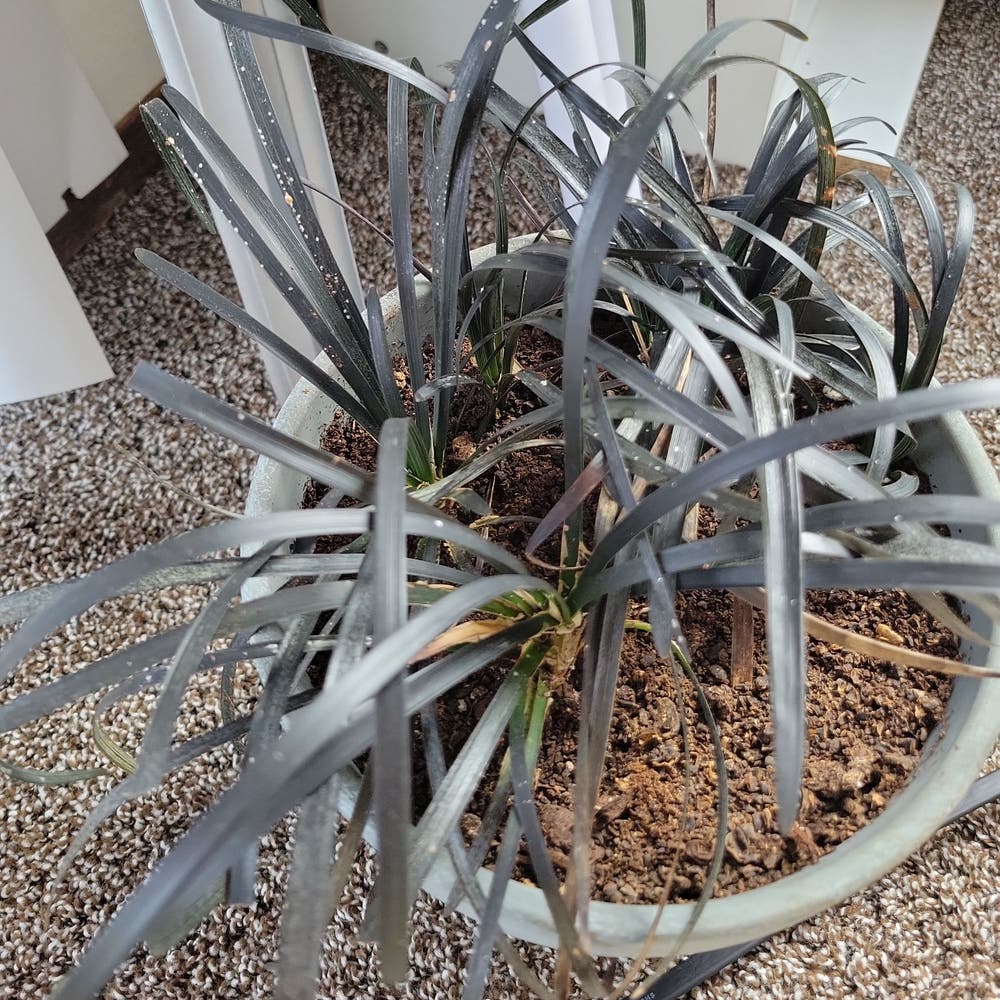
What to Do About Dropping Leaves on Your Aztec grass 🌾
Ophiopogon intermedius
By the Greg Editorial Team
Aug 10, 2024•5 min read
This article was created with the help of AI so we can cover more plants for you. May contain errors. See one? Report it here.
- 💧 Overwatering and underwatering are primary causes of leaf drop in Aztec grass.
- 🌱 Soil drainage and regular amendments are crucial for preventing leaf drop.
- 🐛 Pest and disease monitoring helps maintain healthy Aztec grass and prevent leaf loss.
Causes of Leaf Drop
💧 Overwatering and Its Effects
Overwatering is a common culprit behind leaf drop in Aztec grass. Symptoms include yellowing leaves, mushy roots, and a foul odor emanating from the soil.
The consequences can be severe, leading to root rot, which ultimately causes the leaves to drop. It's crucial to monitor your watering habits to prevent this issue.
🚰 Underwatering and Its Consequences
On the flip side, underwatering can also stress your grass. Signs of this problem include browning leaf tips, wilting, and dry soil.
When plants are stressed from lack of water, they may drop leaves as a survival mechanism. Regular checks can help you catch this early.
🌧️ Soil Drainage Issues
Soil drainage plays a vital role in the health of your Aztec grass. Poor drainage can create waterlogged conditions that suffocate roots.
To improve drainage, consider amending your soil with organic matter. This simple step can make a significant difference.
🐛 Pest Infestations
Pests can wreak havoc on your grass, leading to leaf drop.
Common Pests
- Aphids: Look for curled leaves and sticky residue.
- Spider mites: Fine webbing and stippled leaves are telltale signs.
These pests weaken your plants, making them more susceptible to leaf drop. Regular inspections can help you catch infestations early.
🍄 Fungal Diseases
Fungal diseases are another serious threat to your Aztec grass. Common issues include root rot and leaf spot.
Symptoms often manifest as discolored leaves and wilting. Early detection is key to managing these diseases effectively.
Understanding these causes can empower you to take proactive measures. By addressing these issues, you can keep your Aztec grass healthy and vibrant.
Diagnosing Leaf Drop Issues
Signs of Overwatering vs. Underwatering 🌊
Identifying whether your Aztec grass is overwatered or underwatered is crucial. Overwatering typically manifests as yellowing leaves and symptoms of root rot, while underwatering shows up as browning leaf tips and dry soil.
Identifying Pest Damage 🐛
A visual inspection is your best friend when it comes to spotting pest damage. Look closely for any pests or signs of damage, such as curled leaves or sticky residue.
Recognizing Disease Symptoms 🦠
Fungal diseases can sneak up on you, so be vigilant. Dark spots on leaves often indicate a leaf spot infection, signaling the need for immediate action.
Assessing Soil Conditions 🌱
Understanding your soil's condition is vital for healthy grass. Conduct a soil moisture test to check for compacted or overly wet soil, which can contribute to leaf drop.
By diagnosing these issues early, you can take proactive steps to restore your Aztec grass to its vibrant self. Next, let’s explore preventive measures to keep your grass healthy and thriving.
Preventive Measures
Proper Watering Techniques 🌊
To keep your Aztec grass thriving, focus on deep watering every 1-2 weeks. This approach ensures the roots receive adequate moisture without becoming waterlogged.
The best time to water is early morning. This timing allows the grass to absorb moisture before the heat of the day sets in, reducing evaporation.
Soil Amendment for Better Drainage 🏞️
Improving soil drainage is crucial for healthy grass. Consider adding amendments like sand, perlite, or compost to enhance soil structure.
These materials help prevent water from pooling around the roots, which can lead to root rot and leaf drop.
Pest Management Strategies 🐞
Regular monitoring is key to catching pest problems early. Inspect your plants frequently for any signs of pests or damage.
Early detection can save your grass from significant stress and leaf drop, ensuring it remains lush and vibrant.
By implementing these preventive measures, you set the stage for a healthier lawn. Next, let’s explore effective treatment solutions for any issues that may arise.
Treatment Solutions
🌊 How to Treat Overwatered Grass
Assess Soil Moisture: Start by checking the soil's moisture level. Stick your finger about an inch deep; if it feels soggy, you’re likely overwatering.
Improve Drainage: If the soil is waterlogged, consider aerating it or adding drainage materials like sand or perlite. This helps excess water escape and prevents root rot.
Adjust Watering Schedule: Shift to a less frequent watering routine. Aim for deep watering every 1-2 weeks, allowing the soil to dry out between sessions.
💧 Remedies for Underwatered Grass
Gradual Watering: Slowly increase the amount of water you give your grass. This helps the roots absorb moisture without shock.
Mulching: Apply a layer of mulch around your grass. This retains moisture and regulates soil temperature, making it easier for your grass to thrive.
Monitor Closely: Keep an eye on your grass's response. Look for signs of recovery, like greener leaves and improved texture.
🐞 Pest Control Methods
- Organic Options: Use neem oil or insecticidal soap to tackle pest infestations. These treatments are effective and less harmful to beneficial insects.
🍄 Fungal Disease Treatments
- Fungicides: If you suspect a fungal disease, apply fungicides according to the package instructions. Early intervention is key to preventing further damage.
By addressing these treatment solutions, you can help your Aztec grass bounce back from leaf drop issues. Next, let’s explore long-term care strategies to keep your grass healthy and vibrant.
Long-term Care for Healthy Grass
Regular Maintenance Practices 🌱
Routine inspections are key to keeping your Aztec grass thriving. Regularly check for pests and diseases to catch any issues early.
Seasonal Care Routines 🌸
Spring is the perfect time for fertilization and soil amendment. This boosts growth and prepares your grass for the warmer months ahead.
Monitoring Soil Health 🧪
Regular soil testing is essential for maintaining optimal conditions. Check pH and nutrient levels to ensure your grass has everything it needs to flourish.
By implementing these long-term care strategies, you can enjoy a lush, healthy lawn year-round. Next, let’s explore effective treatment solutions for any immediate issues you might encounter.
⚠️ Safety First
This content is for general information and may contain errors, omissions, or outdated details. It is not medical, veterinary advice, or an endorsement of therapeutic claims.
Always consult a qualified healthcare professional before using any plant as food, medicine, or supplement.
Never eat any plant (or feed one to pets) without confirming its identity with at least two trusted sources.
If you suspect poisoning, call Poison Control (800) 222-1222, the Pet Poison Helpline (800) 213-6680, or your local emergency service immediately.
Spotted an error? Please report it here.
Keep your Aztec grass lush and vibrant 🌿 by using Greg's tailored watering reminders and pest management tips to prevent leaf drop and ensure thriving growth!