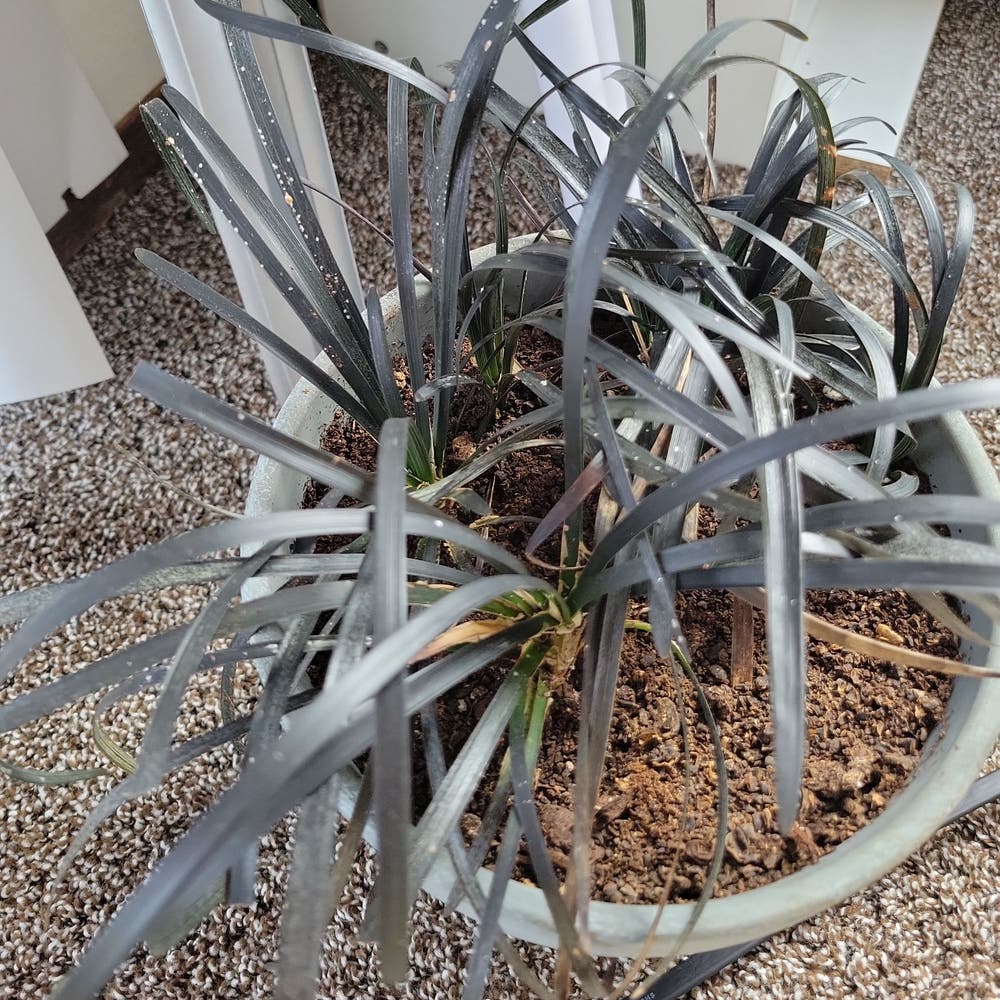
🌱 10 Tips for Growing Aztec grass Indoors
Ophiopogon intermedius
By the Greg Editorial Team
Aug 10, 2024•5 min read
This article was created with the help of AI so we can cover more plants for you. May contain errors. See one? Report it here.
- 🌞 Aztec grass thrives in bright, indirect light; use grow lights in winter.
- 💧 Water every 1-2 weeks, allowing soil to dry to prevent root rot.
- 🌿 Humidity and temperature are key; aim for 40-60% humidity and 65°F to 80°F.
Light Requirements
Ideal Light Conditions 🌞
Aztec grass thrives in bright, indirect light. While it can adapt to lower light conditions, be prepared for slower growth; aim for indoor light levels between 200-800 foot-candles for optimal health.
Role of Grow Lights 💡
In spaces with limited natural light, grow lights are a game changer. They not only supplement sunlight but also ensure your Aztec grass maintains healthy growth during those dreary winter months.
Choosing the Best Grow Light 🛠️
When selecting grow lights, consider the types available: LED, fluorescent, and incandescent. For balanced growth, full-spectrum LED lights are recommended, and they should be placed 12-24 inches above your plant, depending on the light intensity.
By understanding these light requirements, you can create the perfect environment for your Aztec grass to flourish. Next, let’s dive into the watering needs to keep your plant hydrated and happy.
Watering Needs
Frequency and Amount of Watering 🌊
To keep your Aztec grass thriving, stick to a watering schedule of every 1-2 weeks. Always allow the soil to dry out between waterings to prevent soggy roots.
Water generously until you see it draining from the bottom of the pot. This ensures the roots receive adequate moisture without sitting in excess water.
Signs of Overwatering and Underwatering 🚨
Be vigilant about the signs of overwatering. Look for yellowing leaves, root rot, and mushy stems—these are clear indicators that your plant is drowning.
On the flip side, underwatering manifests as wilting, browning leaf tips, and dry soil. Keeping an eye on these symptoms will help you maintain a healthy plant.
By mastering the watering needs of your Aztec grass, you'll set a solid foundation for its growth. Next, let’s explore the ideal humidity and temperature conditions for optimal health.
Humidity and Temperature
Optimal Humidity Levels 🌬️
For healthy growth, Aztec grass thrives in humidity levels between 40-60%. If you notice brown tips and edges on the leaves, it’s a clear sign that the humidity is too low.
Temperature Preferences 🌡️
The ideal temperature range for Aztec grass is 65°F to 80°F (18°C to 27°C). Be mindful to avoid sudden temperature changes and drafts, as these can stress the plant.
Humidity Control Methods 💧
To boost humidity, consider using a humidifier or placing pebble trays filled with water near your plants. Regular misting can also help, but be careful not to leave excessive moisture on the leaves, which can lead to fungal issues.
Maintaining the right humidity and temperature is crucial for the health of your Aztec grass. With these tips, you can create a thriving indoor environment that supports its growth.
Next, let’s explore the best soil types and fertilization strategies to keep your Aztec grass flourishing.
Soil and Fertilization
Best Soil Type 🌱
For Aztec grass, a well-draining potting mix enriched with organic matter is essential. Aim for a soil pH between 6.0 and 7.0 to promote optimal growth.
Fertilization Schedule and Types of Fertilizers 🌿
Fertilize your Aztec grass every 4-6 weeks during the growing season, which spans spring and summer. Use a balanced NPK fertilizer, like a 10-10-10, or opt for slow-release options to ensure consistent nourishment.
Maintaining the right soil and fertilization routine is crucial for thriving Aztec grass. With the right care, your indoor garden can flourish beautifully. Next, let’s explore how to tackle common issues and keep your plants healthy.
Common Issues and Solutions
🐛 Pests and Diseases
Common Pests
Aztec grass can attract a few pesky intruders. Watch out for aphids, spider mites, and mealybugs, which can cause discoloration, webbing, and sticky residue on your plants.
Prevention and Treatment Methods
To keep your Aztec grass thriving, conduct regular inspections. Maintaining plant health is key; if you spot an infestation, consider using insecticidal soap, neem oil, or even introducing beneficial insects to combat the problem.
✂️ Appearance Maintenance
Pruning and Grooming Tips
Regularly trimming dead or yellowing leaves is essential for promoting new growth. Always use clean, sharp scissors to make precise cuts and avoid introducing any diseases.
How to Maintain Vibrant Color and Health
To keep your Aztec grass looking its best, ensure it receives proper light, watering, and humidity levels. Rotating the plant periodically can also help achieve even growth and vibrant color.
By staying vigilant about pests and maintaining your plant's appearance, you'll foster a healthy environment for your Aztec grass. Next, let’s explore the best placement and environmental conditions to optimize its growth.
Placement and Environment
🌍 Best Locations in the Home
For optimal growth, place your Aztec grass near east or west-facing windows. These spots provide bright, indirect light, which is essential for the plant's health.
Avoid direct sunlight, as it can scorch the leaves and hinder growth. A little planning can go a long way in ensuring your plant thrives.
💡 Considerations for Light and Temperature
Throughout the day, assess the light levels in your chosen location. This helps ensure your Aztec grass receives adequate exposure without being overwhelmed.
Keep your plant away from heating vents or air conditioning units. Stable temperatures are crucial for maintaining its health and vitality.
🍂 Seasonal Care
Adjusting Care Routines with Changing Seasons
As the seasons change, so should your care routine. Increase watering frequency during warmer months to keep the soil moist and supportive.
In fall and winter, reduce both watering and fertilization. This adjustment helps the plant conserve energy during its dormant phase.
Signs of Seasonal Stress and How to Address Them
Watch for signs of stress, such as wilting, leaf drop, and discoloration. These indicators suggest that your Aztec grass may need some adjustments in care.
To remedy these issues, tweak your watering, humidity, and light exposure. Small changes can make a big difference in keeping your plant healthy and vibrant.
With the right placement and seasonal adjustments, your Aztec grass can flourish indoors, bringing a touch of nature into your home. Next, let’s explore how to tackle common issues and maintain its beauty.
⚠️ Safety First
This content is for general information and may contain errors, omissions, or outdated details. It is not medical, veterinary advice, or an endorsement of therapeutic claims.
Always consult a qualified healthcare professional before using any plant as food, medicine, or supplement.
Never eat any plant (or feed one to pets) without confirming its identity with at least two trusted sources.
If you suspect poisoning, call Poison Control (800) 222-1222, the Pet Poison Helpline (800) 213-6680, or your local emergency service immediately.
Spotted an error? Please report it here.
Transform your indoor space with thriving Aztec grass 🌿 by using Greg's tailored care reminders and expert tips to keep your plant happy and healthy!