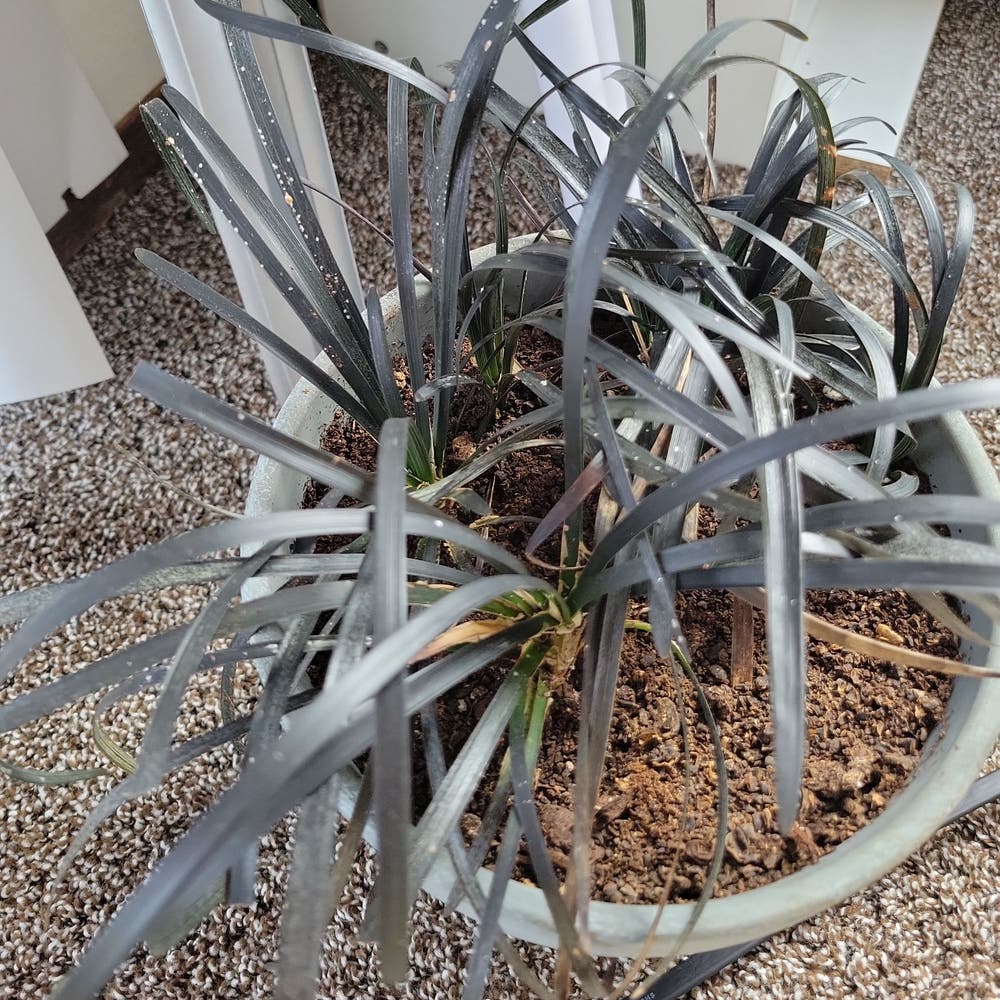
7 Tips for Blooming Your Aztec grass 🌸
Ophiopogon intermedius
By the Greg Editorial Team
Aug 10, 2024•5 min read
This article was created with the help of AI so we can cover more plants for you. May contain errors. See one? Report it here.
- 🌱 Aztec grass blooms rarely, focusing on ornamental foliage instead of vibrant flowers.
- ☀️💧 Encourage blooming with sunlight, water, and well-draining soil for optimal growth.
- 🌿 Self-pollination allows Aztec grass to thrive without needing external pollen sources.
Flowering Status of Aztec Grass
Clarification on Flower Production 🌼
Aztec grass is primarily a non-flowering plant. It's cherished for its stunning ornamental foliage rather than any blooms.
Reasons for Non-Flowering 🌱
This grass has adapted to thrive in warm climates, where flowering is minimal. Instead, it focuses on vegetative reproduction through rhizomes or offsets, ensuring its survival and spread in its preferred environment.
Understanding these characteristics helps gardeners appreciate the unique beauty of Aztec grass, even without flowers. Next, let’s explore what happens if Aztec grass does flower.
If Aztec Grass Does Flower
🌸 Flower Characteristics
Description of Flower Colors and Structure
While Aztec grass is primarily known for its stunning foliage, it can occasionally produce flowers. These rare blooms can vary in color, often showcasing soft hues like white or pale purple, and may appear in slender spikes that rise above the foliage.
The structure of these flowers is typically simple, consisting of elongated spikes that can add a unique texture to your garden. However, don’t expect a vibrant floral display; the focus remains on the grass's ornamental leaves.
🌼 Self-Pollination vs. External Pollination
When it comes to reproduction, Aztec grass leans towards self-pollination. This means it can produce seeds without needing pollen from another plant, making it quite resilient in various environments.
However, external pollination can also occur, albeit rarely. This flexibility allows Aztec grass to thrive even in less-than-ideal conditions.
🌱 Blooming Process
Stages of Blooming and Typical Bloom Time
The blooming process of Aztec grass unfolds in stages: it begins with bud formation, followed by the actual flowering, and finally, the fading of blooms. Typically, you can expect blooms to appear during warmer months, aligning with seasonal variations.
Duration from Bud Formation to Full Bloom
From the initial bud formation to full bloom, the process usually takes about 2 to 3 weeks. This timeframe can vary based on environmental conditions, so patience is key.
Lifespan of Flowers
Once the flowers bloom, they generally last for about a week or two. While this may seem short, the beauty they add to your garden during that time is well worth the wait.
🌻 Encouraging Blooms
Tips to Encourage Aztec Grass to Bloom
To encourage your Aztec grass to bloom, focus on optimal care practices. Ensure it receives plenty of sunlight, adequate water, and well-draining soil to create a thriving environment.
Fertilization can also play a crucial role. Using a balanced fertilizer during the growing season can help promote flowering and enhance overall plant health.
Factors Influencing Flowering
Several environmental factors can influence whether Aztec grass will bloom. Temperature, humidity, and soil quality all play significant roles in the plant's ability to flower.
Maintaining a stable environment can increase your chances of witnessing those rare blooms.
🌿 Post-Flowering
What Happens After the Flowering Period
After flowering, Aztec grass typically returns to its lush green state. The plant may experience a brief period of dormancy, but it generally remains healthy and vibrant.
Contrary to some beliefs, Aztec grass does not die after flowering. Instead, it continues to thrive, ready for the next growing season.
Death Bloom Concept
The concept of a "death bloom" refers to plants that die after flowering. Fortunately, this does not apply to Aztec grass, which can live on and flourish even after its rare blooms fade.
In summary, while flowering is not the primary feature of Aztec grass, understanding its blooming process can enhance your gardening experience. With the right care, you might just be rewarded with those elusive flowers.
Next, let’s explore what makes Aztec grass a standout choice for your garden, even when it doesn’t bloom.
If Aztec Grass Doesn't Flower
🌿 Primary Ornamental or Functional Features
Aztec grass, known for its striking foliage, boasts vibrant green leaves with a unique texture that adds depth to any garden. Its upright growth habit creates a lush, dense appearance, making it an excellent choice for borders or as a ground cover.
In landscaping, Aztec grass serves multiple purposes. It can soften hard edges, provide contrast against other plants, and even thrive in challenging conditions, making it a versatile addition to various garden designs.
🌱 Explanation of Reproduction Without Flowers
Aztec grass primarily reproduces through vegetative means, utilizing rhizomes and offsets. This method allows the plant to spread efficiently, creating a robust network of roots that can withstand environmental stress.
The benefits of non-flowering reproduction are significant. It ensures the plant's survival in less-than-ideal conditions and allows for quicker establishment in new areas, making Aztec grass a resilient choice for gardeners.
As we explore the unique aspects of Aztec grass, you'll discover even more about its fascinating characteristics and ecological advantages.
Unique Aspects of Aztec Grass
🌿 Unusual Characteristics Related to Flowering or Non-Flowering Nature
Aztec grass stands out among ornamental grasses due to its striking foliage rather than its flowers. With vibrant green and cream-striped leaves, it creates a lush, tropical feel in any garden.
This grass is primarily non-flowering, which allows it to conserve energy for growth and maintenance. Unlike many other ornamental grasses that rely on blooms for visual appeal, Aztec grass thrives on its unique leaf patterns and textures.
📚 Interesting Facts or Trivia About Aztec Grass's Reproductive Strategy
The non-flowering nature of Aztec grass offers ecological advantages. By focusing on vegetative reproduction through rhizomes and offsets, it ensures survival in diverse environments, even under challenging conditions.
Historically, Aztec grass has cultural significance in landscaping, often used in traditional gardens for its resilience and aesthetic appeal. Its ability to spread without flowers makes it a low-maintenance choice for gardeners looking to create a vibrant landscape.
In summary, Aztec grass may not bloom often, but its unique characteristics and reproductive strategies make it a fascinating addition to any garden. As we explore its ornamental features further, you'll discover how it can enhance your outdoor space beautifully.
⚠️ Safety First
This content is for general information and may contain errors, omissions, or outdated details. It is not medical, veterinary advice, or an endorsement of therapeutic claims.
Always consult a qualified healthcare professional before using any plant as food, medicine, or supplement.
Never eat any plant (or feed one to pets) without confirming its identity with at least two trusted sources.
If you suspect poisoning, call Poison Control (800) 222-1222, the Pet Poison Helpline (800) 213-6680, or your local emergency service immediately.
Spotted an error? Please report it here.
Embrace the lush beauty of Aztec grass 🌱 by using Greg's tailored care tips to ensure your garden thrives, even without vibrant blooms!