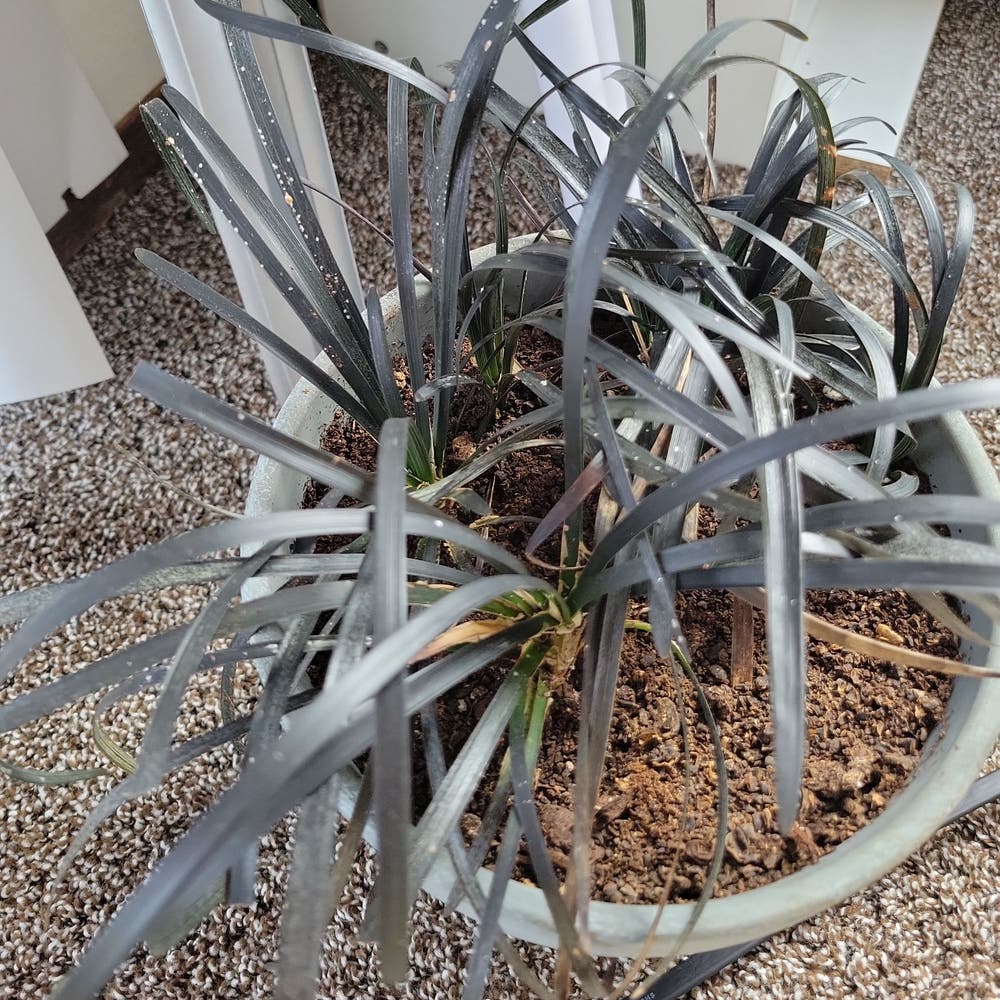
Ultimate Guide to Fertilizing Aztec grass 🥄
Ophiopogon intermedius
By the Greg Editorial Team
Aug 10, 2024•4 min read
This article was created with the help of AI so we can cover more plants for you. May contain errors. See one? Report it here.
- 🌱 Organic and synthetic fertilizers boost Aztec grass growth and health effectively.
- 💧 Water after fertilization to activate nutrients and prevent burn on your grass.
- 📅 Fertilize in spring and mid-summer for optimal density and vigor throughout the year.
Types of Fertilizers Suitable for Aztec Grass
🌱 Organic Fertilizers
Organic fertilizers are a fantastic choice for nurturing Aztec grass.
- Compost: This powerhouse enhances soil structure and boosts nutrient content, creating a thriving environment for your grass.
- Manure: A slow-release option, well-aged manure provides essential nutrients over time, ensuring your grass receives a steady supply.
⚗️ Synthetic Fertilizers
Synthetic fertilizers can also play a vital role in your fertilization strategy.
- Balanced NPK Fertilizers: Look for ratios like 10-10-10, which support general growth and health.
- Slow-Release Fertilizers: These are perfect for sustained nutrient delivery, keeping your Aztec grass nourished throughout the growing season.
🎯 Specialized Fertilizers
For those looking to give their grass a tailored boost, specialized fertilizers are available.
- Fertilizers Formulated for Ornamental Grasses: These products have nutrient profiles designed specifically for the needs of ornamental grasses, ensuring optimal growth and vibrancy.
Understanding the types of fertilizers available is crucial for the health of your Aztec grass. With the right choice, you can foster lush, green growth that enhances your landscape.
Next, let’s explore how to apply these fertilizers effectively to maximize their benefits.
How to Apply Fertilizer Effectively
🌱 Application Techniques
Applying fertilizer correctly is crucial for the health of your Aztec grass. For granular fertilizers, spread them evenly around the base of the grass, ensuring you avoid direct contact with the plant to prevent damage.
When using liquid fertilizers, always dilute them according to the instructions. A watering can or sprayer works best for even application, making it easier to nourish your grass without overdoing it.
🛠️ Tools Needed
To achieve the best results, having the right tools is essential. A spreader for granular fertilizers ensures even distribution, which is key to preventing hot spots that can harm your grass.
For liquid fertilizers, a measuring cup is your best friend. This tool helps you avoid over-application, ensuring your grass gets just the right amount of nutrients.
💧 Watering After Application
Watering after applying fertilizer is not just a good idea; it's vital. It activates the nutrients in the soil, making them available to your grass while also helping to prevent fertilizer burn.
By following these simple steps, you can ensure your Aztec grass thrives. Next, let’s explore the best timing for fertilizer application to maximize growth and health.
Timing of Fertilizer Application
🌱 Spring Fertilization
Timing is crucial for your Aztec grass. Apply fertilizer in early spring as growth begins to support new shoots and blooming.
☀️ Summer Fertilization
Mid-summer is the sweet spot for a second application. This boosts density and vigor, ensuring your grass thrives during the warm months.
🍂 Fall Fertilization
As winter approaches, late fall fertilization prepares your grass for dormancy. This step is essential for promoting early spring growth when the season turns again.
Understanding the timing of fertilizer application can make a significant difference in the health and appearance of your Aztec grass. With the right schedule, you’ll set your grass up for success throughout the year.
Avoiding Over-Fertilization
Symptoms of Over-Fertilization 🌱
Over-fertilization can wreak havoc on your Aztec grass. One of the most noticeable signs is leaf burn, where the tips and edges turn brown, signaling stress.
Another symptom is excessive growth. While lush greenery sounds appealing, it can lead to weak, leggy plants that struggle to stand upright.
How to Correct Over-Fertilization Issues 🚿
If you suspect over-fertilization, the first step is to flush the soil with water. This helps dilute the excess nutrients and can alleviate some stress on the grass.
In severe cases, you may need to remove affected plants. This is a tough decision, but sometimes it's necessary to maintain the health of your garden.
By keeping an eye on these symptoms and taking corrective action, you can ensure your Aztec grass thrives without the pitfalls of over-fertilization.
Next, let’s explore the best fertilizer schedules to keep your grass healthy and vibrant throughout the year.
Fertilizer Schedules
Recommended Fertilization Frequency 🌱
Timing is everything when it comes to fertilizing Aztec grass. Start with an initial application in early spring as growth begins to kick in.
Next, plan for a mid-summer application to ensure sustained growth and vigor. If conditions allow, consider a fall application to prepare your grass for winter and set it up for a strong start in spring.
Adjusting Fertilizer Amounts Based on Growth Stages 📏
Not all plants are created equal, especially when it comes to nutrient needs. For young plants, use lower amounts of fertilizer to avoid nutrient burn, which can stunt their growth.
On the other hand, established plants thrive on increased amounts of fertilizer. This boost supports their vigorous growth and blooming, ensuring your Aztec grass remains lush and vibrant throughout the growing season.
By following these schedules and adjusting based on growth stages, you’ll cultivate a healthy, thriving lawn. Now, let’s dive into how to avoid over-fertilization and its pitfalls.
⚠️ Safety First
This content is for general information and may contain errors, omissions, or outdated details. It is not medical, veterinary advice, or an endorsement of therapeutic claims.
Always consult a qualified healthcare professional before using any plant as food, medicine, or supplement.
Never eat any plant (or feed one to pets) without confirming its identity with at least two trusted sources.
If you suspect poisoning, call Poison Control (800) 222-1222, the Pet Poison Helpline (800) 213-6680, or your local emergency service immediately.
Spotted an error? Please report it here.
Achieve a lush Aztec grass lawn 🌿 by using Greg's tailored fertilization reminders and expert tips to keep your grass thriving all year round!