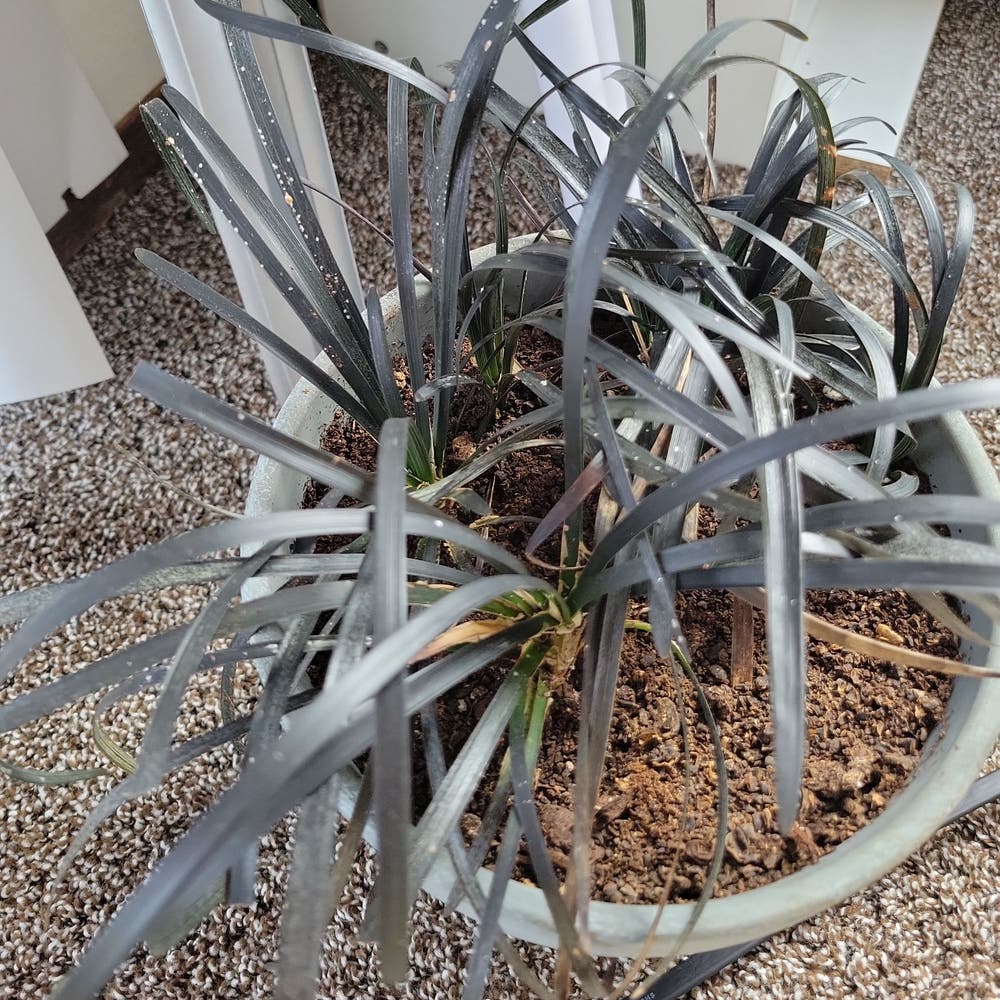
How to Cure Brown Spots on Your Aztec grass 🩹
Ophiopogon intermedius
By the Greg Editorial Team
Aug 10, 2024•5 min read
This article was created with the help of AI so we can cover more plants for you. May contain errors. See one? Report it here.
- 🌱 Brown spots arise from stress, pests, or nutrient deficiencies—identify the cause quickly.
- 💧 Overwatering and poor drainage lead to root rot; establish a deep watering schedule.
- 🦠 Fungal infections and pests require early detection for effective treatment and prevention.
Causes of Brown Spots
🌪️ Environmental Stress Factors
Brown spots on your Aztec grass often stem from environmental stress.
Overwatering can lead to poor drainage and root rot, suffocating the roots and causing unsightly brown patches.
Underwatering is equally detrimental, resulting in dehydration and leaf stress that manifests as browning.
Poor air circulation around the grass increases humidity, creating a perfect breeding ground for diseases.
🥦 Nutrient Deficiencies
Nutrient deficiencies are another common culprit behind brown spots.
Nitrogen deficiency typically results in yellowing and browning of leaves, signaling that your grass is starving for nutrients.
Other deficiencies, particularly in phosphorus and potassium, can also affect the overall health of your grass, leading to a lackluster appearance.
🐛 Pest Infestations
Pest infestations can wreak havoc on your Aztec grass.
Common pests like aphids and spider mites can damage leaves, leading to those dreaded brown spots.
Look for signs of infestation, such as yellowing leaves, webbing, and visible insects, to catch these issues early.
🍄 Fungal Infections
Fungal infections are another significant factor contributing to brown spots.
Leaf spot diseases, caused by various fungi, lead to brown lesions that can spread quickly if not addressed.
Conditions that promote fungal growth include high humidity and poor air circulation, making it crucial to monitor your grass's environment.
Understanding these causes will help you take the necessary steps to treat and prevent brown spots effectively. Next, let’s dive into how to diagnose these pesky issues.
Diagnosing Brown Spots
👀 Identifying Symptoms
When diagnosing brown spots on your Aztec grass, start by looking for visual signs. Brown spots, yellowing leaves, and wilting are key indicators of underlying issues.
Next, observe the patterns of these spots. Are they random or clustered? This distinction can help you pinpoint the problem more accurately.
🔍 Differentiating Between Causes
Understanding the context of the symptoms is crucial. Are the brown spots due to environmental stress or biological factors?
Seasonal variations also play a role. Symptoms can change with the time of year, so keep an eye on how your grass reacts as the seasons shift.
🕵️♂️ Visual Inspection Techniques
A close examination is essential for accurate diagnosis. Inspect the undersides of leaves for pests or signs of fungal growth.
Don’t forget to assess the soil as well. Checking moisture levels and soil compaction can reveal a lot about the health of your grass.
By following these steps, you can effectively diagnose the causes of brown spots and take action to restore your Aztec grass to its vibrant best. Next, we'll explore treatment options to tackle these issues head-on.
Treating Brown Spots
🦠 Step-by-Step Treatment for Fungal Infections
Fungal infections can wreak havoc on your Aztec grass, but with the right approach, you can restore its health. Start by identifying the type of fungal infection affecting your grass.
- Identify the type of fungal infection. This is crucial for effective treatment.
- Remove affected leaves. Use clean, sharp scissors to prevent spreading the infection.
- Apply fungicide. Follow the label instructions carefully for the best results.
- Improve air circulation. Space your plants appropriately to reduce humidity and promote airflow.
🌱 Nutrient Supplementation Methods
Nutrient deficiencies can also contribute to brown spots. Addressing these issues will help your grass thrive.
- Soil testing is essential. Determine nutrient levels and identify any deficiencies.
- Fertilization is key. Use a balanced fertilizer, focusing on nitrogen to boost growth.
🐛 Pest Control Strategies
Pests can be another culprit behind brown spots. Effective pest control will keep your grass healthy and vibrant.
- Insecticidal soap is a great option. Apply it to affected areas according to the instructions.
- Natural predators can help, too. Introduce beneficial insects like ladybugs to keep pest populations in check.
By following these treatment methods, you can tackle brown spots effectively and ensure your Aztec grass remains lush and healthy. Next, let’s explore how to prevent these issues from arising in the first place.
Preventing Brown Spots
🌊 Best Practices for Watering
To keep your Aztec grass healthy, establish a deep watering schedule. Aim for once a week, adjusting based on rainfall to avoid soggy soil.
Overwatering can lead to poor drainage and root rot, so ensure your soil drains well. This simple step can make a significant difference in preventing brown spots.
🌱 Soil Management Techniques
Maintaining the right soil pH is crucial for nutrient uptake. Aim for a pH between 6.0 and 7.0 to keep your grass thriving.
Incorporating organic matter, like compost, improves soil structure and enhances nutrient availability. Healthy soil is the foundation of vibrant grass.
☀️ Proper Sunlight Exposure
Aztec grass thrives in full sun to partial shade, requiring at least six hours of sunlight daily. Ensure your grass gets enough light to prevent stress and browning.
If your plants aren’t receiving adequate light, consider adjusting their placement. A little repositioning can go a long way in promoting lush, green growth.
By following these preventive measures, you can significantly reduce the risk of brown spots on your Aztec grass. Next, let’s explore seasonal considerations to keep your grass in top shape throughout the year.
Seasonal Considerations
🌱 Seasonal Care Adjustments
Spring is the perfect time to kickstart your Aztec grass care. Focus on fertilization and keep an eye out for pests that may have emerged after winter.
As summer rolls in, your grass will need more attention. Increase your watering frequency and stay vigilant against diseases that thrive in the heat.
When fall arrives, it's time to prepare your grass for dormancy. Gradually reduce watering to help your plants transition smoothly into the cooler months.
🔍 Monitoring During Growth Cycles
Regular inspections are crucial throughout the growing season. Look for any signs of stress or disease, as early detection can make all the difference.
Adjust your care based on the growth stages of your grass. Young plants may require more nurturing, while mature grass can handle a bit more independence.
By staying proactive and responsive to seasonal changes, you can keep your Aztec grass healthy and vibrant year-round. This approach not only prevents brown spots but also enhances the overall resilience of your lawn.
⚠️ Safety First
This content is for general information and may contain errors, omissions, or outdated details. It is not medical, veterinary advice, or an endorsement of therapeutic claims.
Always consult a qualified healthcare professional before using any plant as food, medicine, or supplement.
Never eat any plant (or feed one to pets) without confirming its identity with at least two trusted sources.
If you suspect poisoning, call Poison Control (800) 222-1222, the Pet Poison Helpline (800) 213-6680, or your local emergency service immediately.
Spotted an error? Please report it here.
Transform your Aztec grass from brown to brilliant green 🌱 with Greg's personalized care tips and reminders that tackle pests, nutrients, and watering schedules for a thriving lawn!