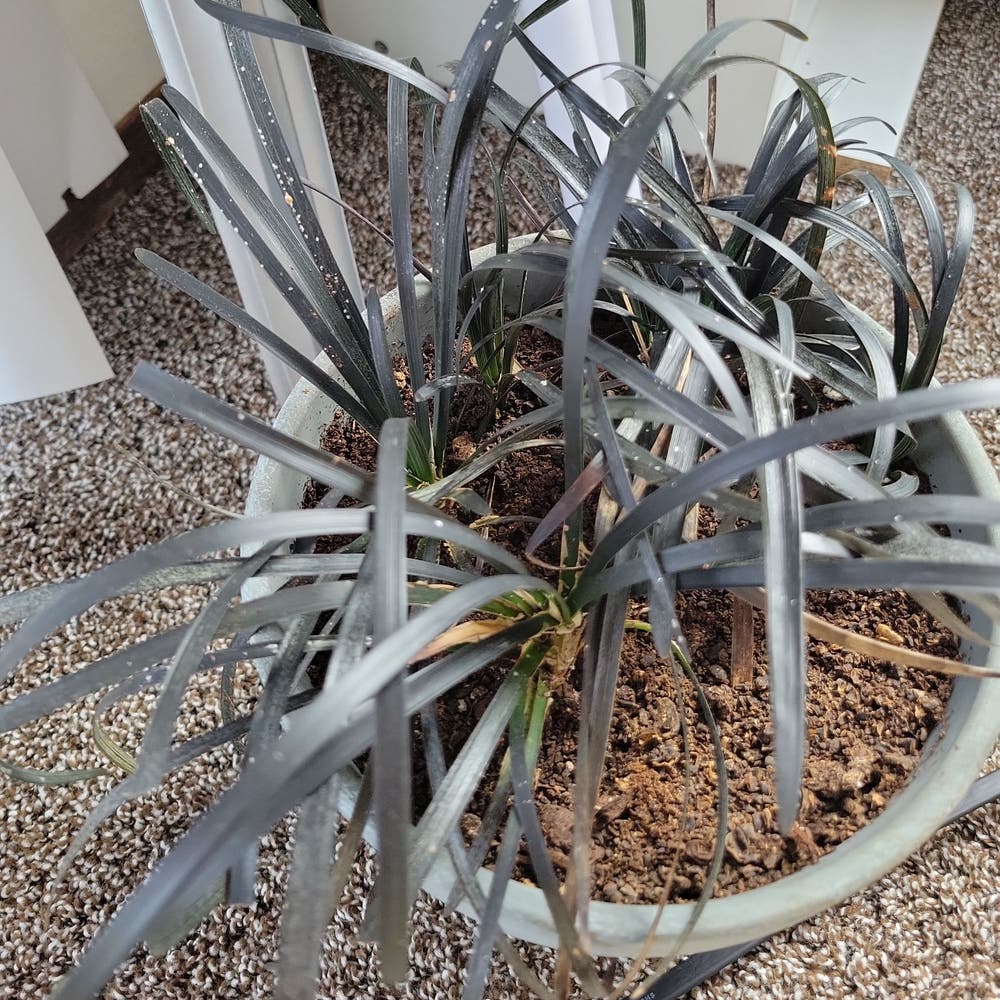
🌱 Aztec grass Hardiness Zones Ultimate Guide: 7a-11b
Ophiopogon intermedius
By the Greg Editorial Team
Aug 10, 2024•5 min read
This article was created with the help of AI so we can cover more plants for you. May contain errors. See one? Report it here.
- 🌱 Aztec grass thrives in USDA zones 7a to 11b, perfect for warmer climates.
- ❄️ Protect from frost using cloths and mulch; it tolerates down to 20°F (-6°C).
- 🌞 Optimal growth occurs between 70°F and 90°F (21°C to 32°C) for best results.
Aztec Grass Temperature Tolerance
❄️ Cold Tolerance Specifics
Aztec grass can tolerate minimum temperatures of approximately 20°F (-6°C). However, frost can significantly impact its growth and survival, leading to stunted development or even death.
To protect Aztec grass from frost damage, consider covering it with frost cloths or blankets during cold snaps. Additionally, mulching around the base can help insulate the roots.
☀️ Heat Tolerance Specifics
On the flip side, Aztec grass thrives in heat, with a maximum temperature tolerance of around 100°F (38°C). Its adaptations, such as deep root systems, allow it to endure high temperatures effectively.
Drought resistance is crucial for its survival in hot climates. This characteristic enables the grass to maintain its vibrant appearance even during dry spells.
🌱 Ideal Temperature Ranges for Optimal Growth
For optimal growth, Aztec grass flourishes in temperatures ranging from 70°F to 90°F (21°C to 32°C). This range supports robust growth and vibrant color.
Seasonal temperature variations can influence growth cycles, so be mindful of local climate patterns. Understanding these fluctuations can help you maximize your grass's potential.
Ideal Growing Regions
Examples of US States in Suitable Zones 🌎
Aztec grass thrives in several states that fall within hardiness zones 7a to 11b. Notable examples include California, Texas, and Florida, where the climate aligns perfectly with its growth requirements.
In California, regions like Southern California offer warm temperatures and ample sunlight. Texas, particularly in the central and southern areas, provides similar favorable conditions. Florida’s warm coastal areas also create an ideal environment for Aztec grass.
Factors Contributing to Ideal Conditions 🌱
For optimal growth, Aztec grass prefers well-drained soils. This ensures that excess moisture doesn’t hinder its development.
Climate plays a crucial role as well. Low rainfall combined with warm temperatures creates a perfect backdrop for this grass. Additionally, full sun exposure is essential, allowing the grass to flourish and maintain its vibrant appearance.
Comparison of Different Regions 🌍
Climate and soil conditions can vary significantly across states. For instance, California's diverse geography leads to different microclimates, affecting growth potential.
In Texas, the soil composition can range from sandy to clay, influencing how well Aztec grass establishes itself. Understanding these local conditions is vital for successful cultivation and can make all the difference in achieving lush, healthy grass.
By recognizing the ideal growing regions and their specific conditions, gardeners can set themselves up for success with Aztec grass. Next, we’ll explore the impact of microclimates and how they can enhance growing opportunities.
Microclimates and Their Impact
🌍 Definition and Importance
Microclimates are localized climate variations that differ from the surrounding area. They can form due to factors like elevation, proximity to water, and urban development.
Understanding microclimates is crucial for gardening and landscaping. They can significantly influence plant growth, making it possible to cultivate species that might otherwise struggle in the broader climate.
🌱 Extending Growing Zones
Microclimates can create favorable conditions for plants, allowing them to thrive outside their typical hardiness zones. For instance, a south-facing wall can absorb heat, creating a warmer environment for plants.
Structures, vegetation, and topography play vital roles in shaping these microclimates. Trees can provide shade, while buildings can block wind, both of which can enhance plant survival.
🌞 Beneficial Microclimates
Urban areas often experience heat retention due to concrete and asphalt. This can create warmer microclimates, ideal for heat-loving plants like Aztec grass.
Coastal regions benefit from moderated temperatures, reducing extremes. This stability can be perfect for maintaining healthy plant life.
Areas sheltered from wind and frost, such as valleys or behind hills, also create beneficial microclimates. These spots can protect sensitive plants from harsh conditions, allowing for a more diverse garden.
Understanding microclimates can empower gardeners to make informed decisions about plant selection and placement. This knowledge sets the stage for successful growth, especially in varying climates.
As we explore state-level suitability for Aztec grass, consider how these microclimates can influence your gardening choices.
State-Level Suitability Analysis
🌿 Suitable States for Aztec Grass
Aztec grass thrives in several states, particularly those within USDA hardiness zones 7a to 11b. Key states include:
- California: With its warm climate and well-drained soils, California offers ideal conditions for Aztec grass.
- Texas: The diverse climates across Texas provide ample opportunities for successful growth.
- Florida: Known for its warm temperatures and humidity, Florida is a natural habitat for this grass.
- Arizona: The dry heat and well-draining soils make Arizona another suitable region.
These states provide the warmth and sunlight that Aztec grass needs to flourish.
❌ Unsuitable States and Reasons
Some states fall outside the optimal hardiness range for Aztec grass. Notable examples include:
- North Dakota: The harsh winters and extreme cold make it unsuitable for growth.
- Minnesota: Prolonged frost periods hinder the survival of Aztec grass.
These states experience temperature extremes that can severely impact the grass's ability to thrive.
⚠️ Challenges in Unsuitable States
In unsuitable states, Aztec grass faces significant challenges. Cold winters and extended frost periods can lead to plant death.
Soil conditions may also be less than ideal, often lacking the drainage that Aztec grass prefers.
For those in these regions, exploring alternatives or utilizing microclimate adjustments can be beneficial. Consider creating sheltered areas or using protective coverings to enhance growing conditions.
Understanding these challenges can help gardeners make informed decisions about their landscaping choices.
As we move forward, let’s explore how microclimates can influence growing conditions for Aztec grass.
⚠️ Safety First
This content is for general information and may contain errors, omissions, or outdated details. It is not medical, veterinary advice, or an endorsement of therapeutic claims.
Always consult a qualified healthcare professional before using any plant as food, medicine, or supplement.
Never eat any plant (or feed one to pets) without confirming its identity with at least two trusted sources.
If you suspect poisoning, call Poison Control (800) 222-1222, the Pet Poison Helpline (800) 213-6680, or your local emergency service immediately.
Spotted an error? Please report it here.
Maximize your Aztec grass's potential with Greg's tailored care reminders 🌿, ensuring it thrives in your unique climate and soil conditions!