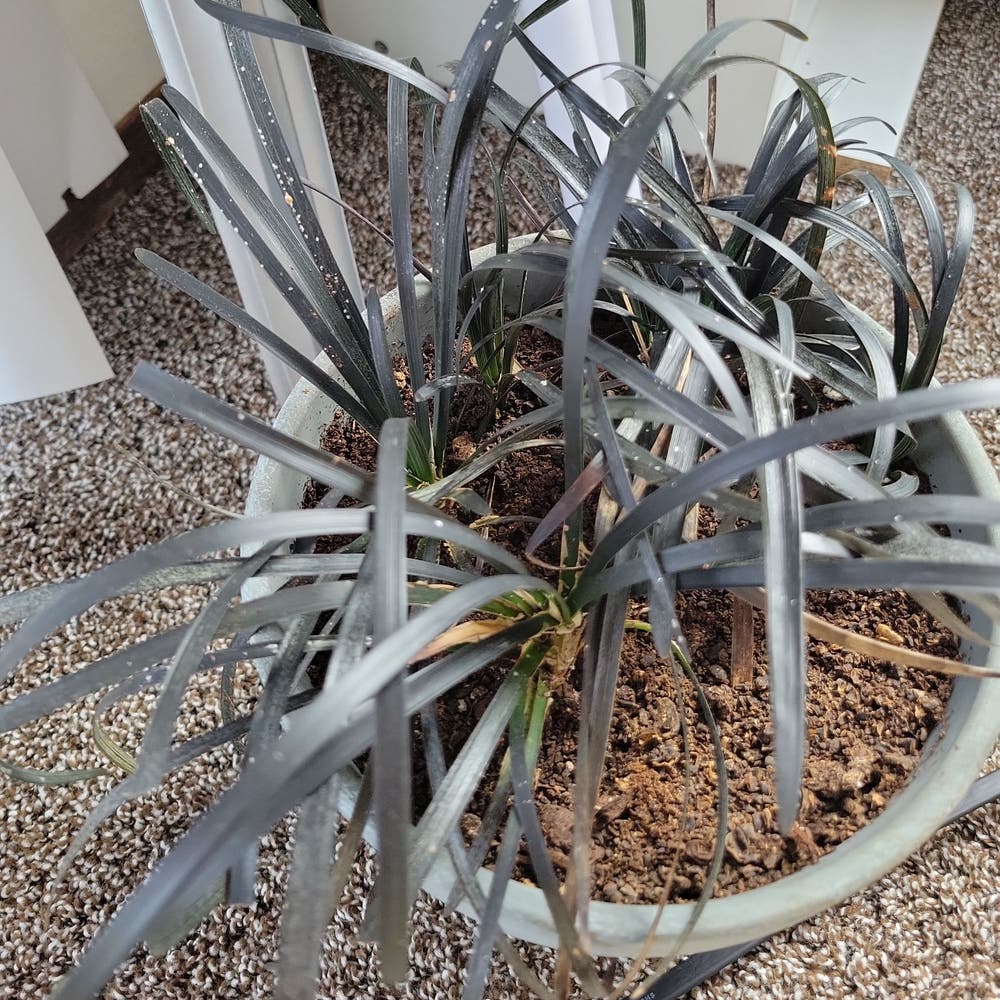
☀️ Why Your Aztec grass Has Yellow Leaves
Ophiopogon intermedius
By the Greg Editorial Team
Aug 10, 2024•5 min read
This article was created with the help of AI so we can cover more plants for you. May contain errors. See one? Report it here.
- 🌱 Yellow leaves indicate issues like nutrient deficiencies, pests, or watering problems.
- 💧 Overwatering or underwatering can both cause yellowing; maintain a balanced watering schedule.
- 🐛 Pests like aphids and diseases can lead to yellow leaves; regular monitoring is essential.
Causes of Yellow Leaves
🌱 Nutrient Deficiencies
Nitrogen Deficiency
Nitrogen deficiency is a common issue that manifests as general yellowing of older leaves and stunted growth. This nutrient is vital for chlorophyll production, which is essential for the plant's overall health.
Iron Deficiency
Iron deficiency presents itself through yellowing between leaf veins, while the veins themselves remain green, a condition known as interveinal chlorosis. Iron plays a crucial role in photosynthesis and enzyme function, making its presence in the soil essential for vibrant plant life.
💧 Watering Issues
Overwatering
Overwatering can lead to yellowing leaves, wilting, and even root rot. Excess water creates poor soil drainage, depriving roots of the oxygen they need to thrive.
Underwatering
On the flip side, underwatering results in dry, crispy leaf tips and yellowing leaves. When a plant doesn’t receive enough water, it can become stressed, hindering its ability to absorb nutrients effectively.
🐛 Pest Infestations
Common Pests
Aphids are small, green insects that can wreak havoc by sucking sap from leaves. Signs of their damage include yellowing leaves, distorted growth, and a sticky residue known as honeydew.
🦠 Disease Factors
Fungal Infections
Fungal infections can cause yellowing leaves, along with spots or blights on the foliage. Common issues like leaf spot can lead to premature leaf drop, affecting the plant's overall vitality.
Bacterial Infections
Bacterial infections often present as yellowing, wilting, and water-soaked lesions on leaves. These infections can spread rapidly, requiring immediate attention to prevent further damage.
Understanding these causes is crucial for diagnosing and treating yellow leaves effectively. By addressing nutrient deficiencies, watering issues, pest infestations, and disease factors, you can help your Aztec grass regain its lush, green appearance.
Diagnosing Yellow Leaves
👀 Visual Symptoms to Look For
When diagnosing yellow leaves, start by assessing the pattern of yellowing. Is it affecting older leaves, which might indicate nutrient deficiencies, or newer leaves, suggesting other issues?
Next, check for additional signs of distress. Look for spots, wilting, or any unusual growth patterns that could signal a deeper problem.
🧪 Soil Testing for Nutrient Levels
Soil testing is crucial for understanding your plant's health. Recommended tests include pH, nitrogen, phosphorus, and potassium levels.
Knowing these nutrient levels helps you make informed decisions about fertilization and care, ensuring your Aztec grass thrives.
💧 Assessing Watering Practices
Evaluate your watering practices to see if they align with your plant's needs. Consider how often and how much water you're applying.
Be on the lookout for signs of overwatering, like yellowing leaves and wilting, or underwatering, which can cause dry, crispy leaf tips.
By carefully observing these factors, you can pinpoint the cause of yellow leaves and take action to restore your Aztec grass's health. Next, let’s explore effective solutions to bring your grass back to life.
Solutions for Yellow Leaves
🌊 Adjusting Watering Schedule
To keep your Aztec grass vibrant, aim to water it 1-2 times per week, adjusting based on weather conditions. It's crucial to allow the soil to dry out between waterings to prevent root rot and promote healthy growth.
🌱 Fertilization Techniques
Recommended Fertilizers
Using balanced fertilizers like 10-10-10 NPK or slow-release formulations can significantly improve your grass's health. Organic options, such as compost or well-rotted manure, are also excellent choices for enriching the soil naturally.
Application Methods
Timing is key when fertilizing; apply during the growing season, specifically in spring and summer. You can choose between broadcast application for even distribution or liquid feeding for quick nutrient absorption.
🐞 Pest Control Methods
Organic vs. Chemical Treatments
For pest control, consider organic options like neem oil or insecticidal soap, which are effective and environmentally friendly. If the infestation is severe, systemic insecticides may be necessary, but use them judiciously to minimize harm to beneficial insects.
🦠 Disease Management
Preventative Measures
Preventing diseases starts with good practices like crop rotation and ensuring proper spacing between plants to enhance air circulation. Regular inspections for early signs of disease can save your grass from more extensive damage down the line.
Treatment Options
If you notice fungal infections, fungicides can help manage the issue effectively. Additionally, promptly removing infected plant parts is essential to prevent the spread of disease to healthy areas.
By implementing these solutions, you can restore your Aztec grass to its lush, green glory. Next, let’s explore how to prevent yellow leaves from becoming a recurring issue.
Preventing Yellow Leaves
Best Practices for Care 🌱
Regular monitoring is key to preventing yellow leaves. Keep an eye out for signs of stress or nutrient deficiencies, as early detection can make all the difference.
Maintaining a proper watering and fertilization schedule is essential. This ensures your Aztec grass receives the nutrients it needs to thrive.
Seasonal Care Tips 🌸
In spring, it's time to fertilize and check for pests. This proactive approach helps set your grass up for a healthy growing season.
During summer, monitor for drought stress and adjust your watering accordingly. Staying attentive during the hotter months can prevent significant damage.
Soil Health and Amendments 🏞️
Well-draining soil is crucial for healthy grass. It prevents waterlogging and promotes root health.
Consider adding organic matter to improve soil structure. This simple amendment can enhance nutrient retention and support overall plant vitality.
By implementing these best practices, you can effectively prevent yellow leaves and keep your Aztec grass looking lush and vibrant. Next, let’s explore solutions for addressing existing yellowing issues.
⚠️ Safety First
This content is for general information and may contain errors, omissions, or outdated details. It is not medical, veterinary advice, or an endorsement of therapeutic claims.
Always consult a qualified healthcare professional before using any plant as food, medicine, or supplement.
Never eat any plant (or feed one to pets) without confirming its identity with at least two trusted sources.
If you suspect poisoning, call Poison Control (800) 222-1222, the Pet Poison Helpline (800) 213-6680, or your local emergency service immediately.
Spotted an error? Please report it here.
Revive your Aztec grass from yellowing leaves with Greg's tailored care reminders and nutrient tracking, ensuring it stays lush and green all season long! 🌿