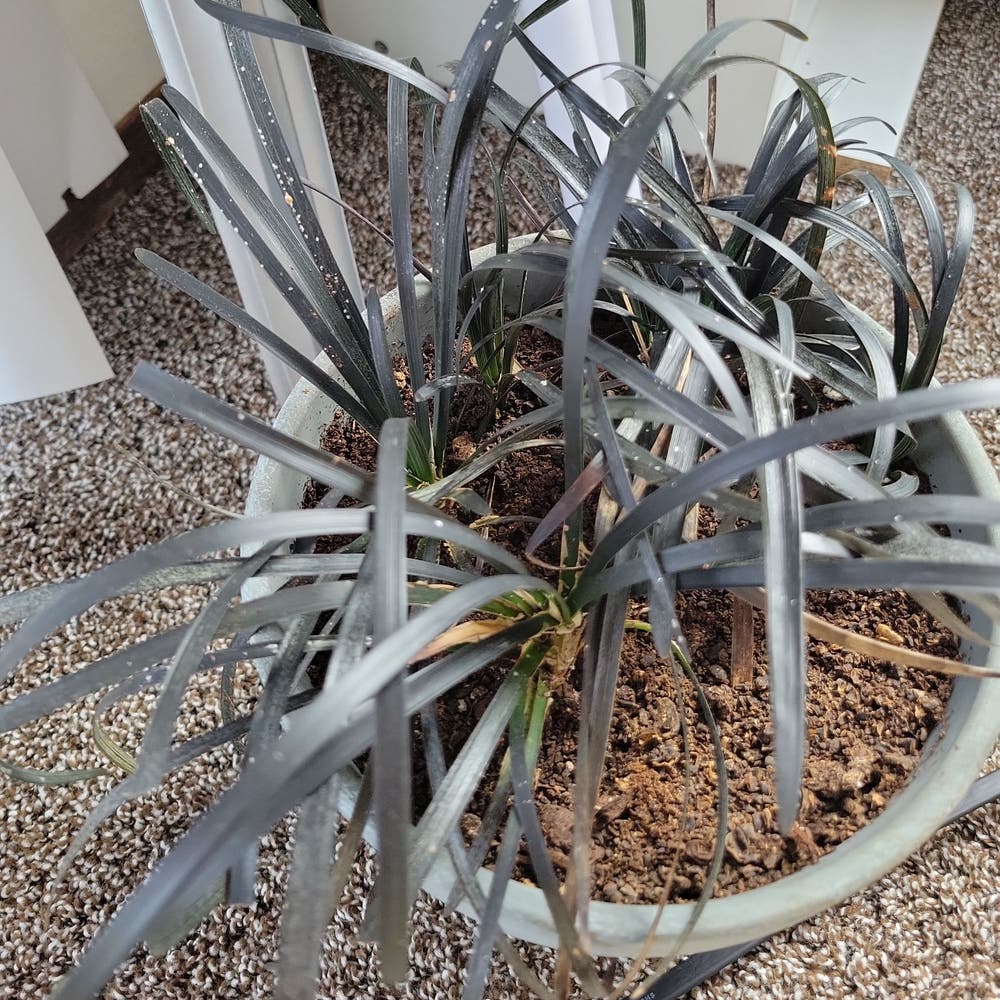
4 Tips for How to Plant Aztec grass ⛏️
Ophiopogon intermedius
By the Greg Editorial Team
Aug 10, 2024•5 min read
This article was created with the help of AI so we can cover more plants for you. May contain errors. See one? Report it here.
- 🌱 Proper planting techniques ensure healthy Aztec grass growth and pest resistance.
- 🌞 Plant seeds in early spring for best germination and growth conditions.
- 💧 Transplanting offers immediate impact; ensure proper spacing and watering for success.
Importance of Proper Planting Techniques
Proper planting techniques are crucial for ensuring healthy growth and establishment of Aztec grass. When you plant correctly, you set the stage for a vibrant, thriving lawn that requires less maintenance down the line.
Getting the planting process right affects long-term care requirements significantly. A well-planted Aztec grass will not only flourish but also resist pests and diseases better, saving you time and effort in the future.
By investing a little extra attention during planting, you pave the way for a lush landscape that enhances your outdoor space. So, whether you're a seasoned gardener or a newbie, remember that the foundation you lay today will pay off tomorrow.
With this understanding, let’s dive into the various planting options available for Aztec grass.
Planting Options: Seeds vs. Transplanting
🌱 Benefits and Drawbacks of Each Method
When it comes to planting Aztec grass, you have two primary options: seeds or transplanting. Each method has its own set of advantages and challenges.
Seeds are a cost-effective choice, allowing you to explore a variety of grass types. However, they do require patience, as it takes longer for them to mature and establish.
On the other hand, transplanting offers immediate visual impact and quicker establishment. This method can be more labor-intensive initially, as it often requires extra care to ensure the plants thrive after moving them.
Choosing between seeds and transplanting ultimately depends on your gardening goals and the time you can invest. Both methods can lead to a lush Aztec grass landscape, so weigh your options carefully!
Next, let’s dive into the specifics of planting Aztec grass from seeds.
Planting Aztec Grass from Seeds
🌱 Optimal Timing for Starting Seeds
The best time to start planting Aztec grass seeds is early spring, right after the last frost. Be sure to consider your local climate conditions to ensure successful germination.
🏺 Selecting the Right Soil Mix and Containers
For optimal growth, use a well-draining sandy loam soil with a pH between 6.0 and 7.0. Seed trays or biodegradable pots are excellent container options for starting your seeds.
📏 Depth, Quantity, and Spacing for Sowing Seeds
Sow the seeds at a depth of 1/4 inch, placing 2-3 seeds per hole. Once the seedlings are established, space them 12-18 inches apart to allow for healthy growth.
🌡️ Germination Requirements
Aztec grass seeds do not require scarification or stratification. They germinate readily in warm conditions, making them easy to grow.
☀️ Maintaining Ideal Growing Conditions for Seedlings
Seedlings thrive in full sun, needing 6-8 hours of light daily. Keep the soil consistently moist but avoid waterlogging to promote healthy growth.
🌳 Hardening Off Seedlings Before Transplanting
Start hardening off your seedlings 1-2 weeks before transplanting. Gradually expose them to outdoor conditions, beginning with just a few hours each day to acclimate them.
With these steps, you’ll be well on your way to successfully planting Aztec grass from seeds. Next, let’s explore how to transplant established Aztec grass for optimal growth.
Transplanting Established Aztec Grass
🌱 Optimal Timing for Transplanting
The best time to transplant Aztec grass is during early spring or fall. These seasons offer mild temperatures, which help the plants establish themselves more effectively.
🛠️ Step-by-Step Instructions for Transplanting
- Prepare the planting hole: Dig a hole that is twice the width and the same depth as the root ball.
- Remove the plant: Gently loosen the soil around the roots and lift the plant from its container.
- Place in the hole: Position the plant at the same depth it was growing in the container.
- Backfill with soil: Firmly pack the soil around the roots to eliminate air pockets.
📏 Space Requirements for Established Plants
When transplanting, ensure you space the plants 18-24 inches apart. This distance allows for optimal growth and airflow, reducing competition for nutrients.
💧 Tips for Watering and Mulching After Transplanting
After transplanting, thoroughly water the newly placed grass. Additionally, apply a 2-3 inch layer of mulch to help retain moisture and suppress weeds.
Transplanting Aztec grass can be a rewarding experience, setting the stage for a lush landscape. Next, let’s dive into troubleshooting common issues that may arise during this process.
Troubleshooting Common Issues
Poor Germination and Solutions 🌱
Poor germination can be frustrating, but understanding its causes helps. Often, it's due to improper soil moisture or temperature fluctuations.
To improve your chances, maintain consistent moisture and aim for an optimal temperature between 70-80°F. This will create a welcoming environment for your Aztec grass seeds.
Managing Transplant Shock 🌿
Transplant shock is another hurdle many gardeners face. Symptoms include wilting and yellowing leaves, signaling that your plant is stressed.
To combat this, water your newly transplanted grass regularly and provide some shade for the first few days. This will help ease the transition and promote recovery.
Identifying and Addressing Pest and Disease Problems 🐛
Pests and diseases can threaten your Aztec grass's health. Common pests include aphids and spider mites, while root rot often results from overwatering.
Stay vigilant with regular inspections and implement appropriate pest control measures. This proactive approach will keep your grass thriving and resilient.
With these troubleshooting tips, you'll be well-equipped to nurture your Aztec grass successfully. Next, let’s explore how to ensure your plants flourish in their new environment.
⚠️ Safety First
This content is for general information and may contain errors, omissions, or outdated details. It is not medical, veterinary advice, or an endorsement of therapeutic claims.
Always consult a qualified healthcare professional before using any plant as food, medicine, or supplement.
Never eat any plant (or feed one to pets) without confirming its identity with at least two trusted sources.
If you suspect poisoning, call Poison Control (800) 222-1222, the Pet Poison Helpline (800) 213-6680, or your local emergency service immediately.
Spotted an error? Please report it here.
Plant your Aztec grass with confidence 🌿 knowing that Greg's tailored care reminders will help it thrive effortlessly in your garden!