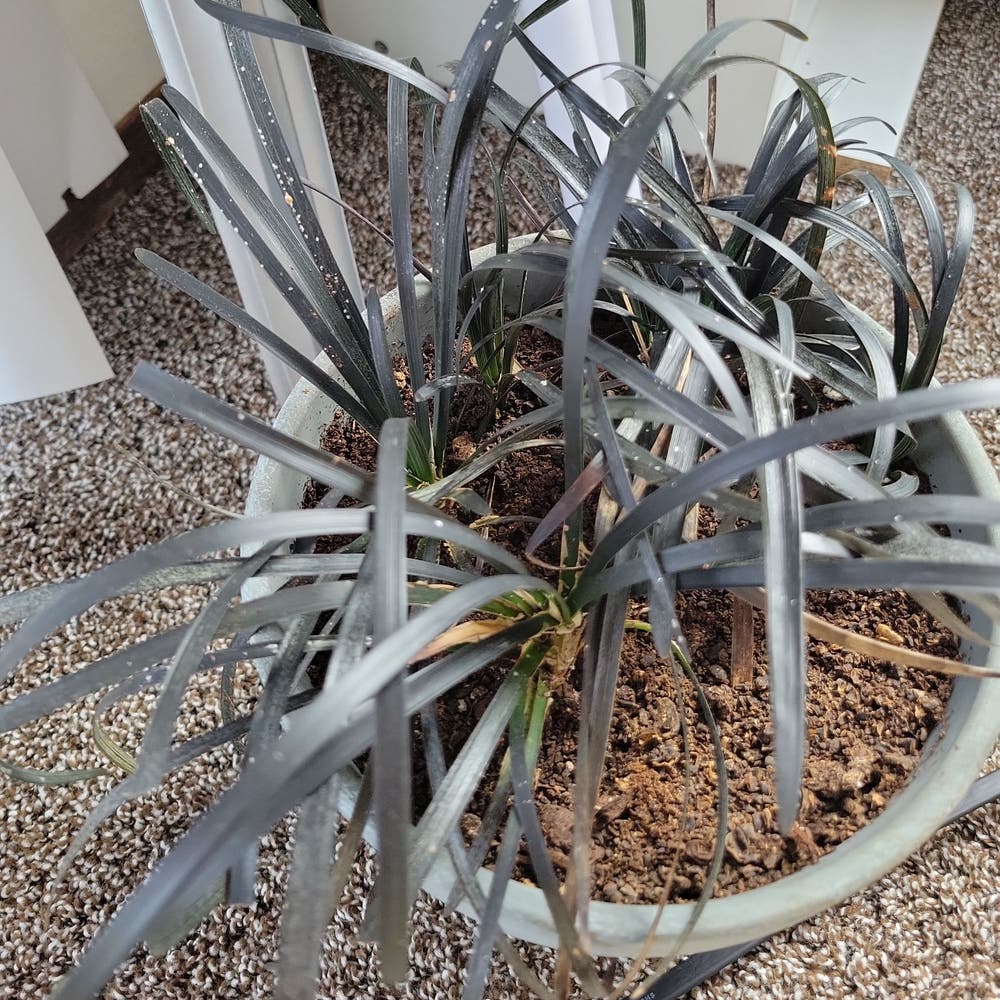
Aztec grass Is Not an Annual
Ophiopogon intermedius
By the Greg Editorial Team
Aug 10, 2024•2 min read
This article was created with the help of AI so we can cover more plants for you. May contain errors. See one? Report it here.
- 🌱 Aztec grass is a resilient perennial, thriving year after year in diverse conditions.
- 🌾 Its clumping growth and fine leaves enhance garden aesthetics and soften hardscapes.
- 🐝 Attracts pollinators with delicate flower spikes, adding beauty and ecological benefits to gardens.
Aztec Grass Classification
🌱 Genetic Characteristics
Aztec grass, scientifically known as Muhlenbergia dumosa, is a remarkable species. It thrives in arid regions, showcasing its adaptability to challenging environments.
This grass features a clumping growth habit, which not only enhances its resilience but also adds visual interest to landscapes. Its genetic traits make it a standout choice for gardeners seeking low-maintenance options.
🌿 Physiological Traits Supporting Perennial Nature
The fine, arching leaves of Aztec grass contribute significantly to its ornamental appeal. These leaves create a soft texture that can soften hardscapes in any garden.
Its deep and extensive root system plays a crucial role in nutrient and water absorption. This adaptability allows Aztec grass to thrive in various soil types and conditions, making it a versatile choice for diverse landscapes.
🌼 Lifecycle and Growth Patterns
As a long-lived perennial, Aztec grass has the remarkable ability to regrow year after year. Its seasonal growth cycles include periods of dormancy during harsh conditions, allowing it to conserve energy.
This grass exhibits resilience, enabling it to survive adverse conditions and regenerate when the environment becomes favorable again. Such traits make it a reliable choice for gardeners.
🌸 Reproductive Strategies
Aztec grass features a unique flowering pattern, characterized by delicate flower spikes that last for extended periods. This not only adds beauty but also attracts pollinators to the garden.
Its mechanisms for seed production allow it to produce seeds over multiple seasons. Additionally, Aztec grass employs dormancy strategies to survive harsh winters or poor soil conditions, ensuring its longevity.
🌳 Garden Design Implications
Incorporating Aztec grass into your garden offers numerous benefits, including aesthetic value and ecological advantages. Its graceful appearance can enhance the overall design while providing habitat for beneficial insects.
When planning your garden, consider companion planting and design strategies that complement Aztec grass. This can create a harmonious environment that maximizes both beauty and functionality.
🛠️ Management Tips for Longevity
To maintain Aztec grass effectively, focus on best practices like proper watering techniques and soil management. These steps will help ensure your grass remains healthy and vibrant.
Maximizing growth involves adhering to a fertilization schedule and seasonal care. By following these tips, you can enjoy the beauty and resilience of Aztec grass for years to come.
As you explore the world of Aztec grass, consider how its unique characteristics can enhance your garden. Next, we’ll delve into the reproductive strategies that make this perennial grass a true survivor.
⚠️ Safety First
This content is for general information and may contain errors, omissions, or outdated details. It is not medical, veterinary advice, or an endorsement of therapeutic claims.
Always consult a qualified healthcare professional before using any plant as food, medicine, or supplement.
Never eat any plant (or feed one to pets) without confirming its identity with at least two trusted sources.
If you suspect poisoning, call Poison Control (800) 222-1222, the Pet Poison Helpline (800) 213-6680, or your local emergency service immediately.
Spotted an error? Please report it here.
Discover the resilience of Aztec grass 🌾 and let Greg provide tailored care reminders to help your garden thrive beautifully, season after season!