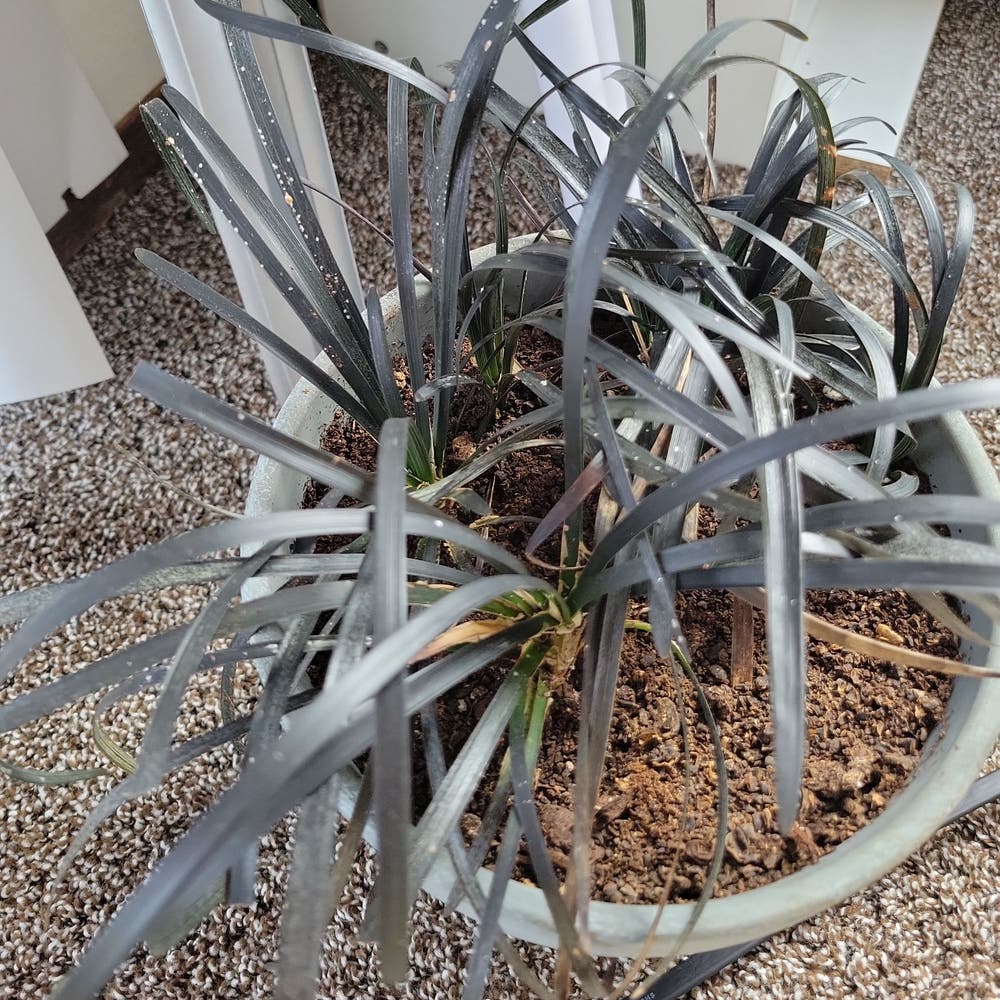
What to Know About Growing Your Aztec grass Outdoors 🌱
Ophiopogon intermedius
By the Greg Editorial Team
Aug 10, 2024•5 min read
This article was created with the help of AI so we can cover more plants for you. May contain errors. See one? Report it here.
- ☀️ Aztec grass needs 6+ hours of sunlight for optimal growth and health.
- 💧 Weekly deep watering is crucial, especially during dry spells, for strong roots.
- 🌱 Well-drained soil with pH 6.0-7.5 ensures healthy Aztec grass development.
Outdoor Care Requirements
🌞 Sunlight Needs
Aztec grass thrives in full sun to partial shade. Aim for a minimum of six hours of direct sunlight daily to ensure robust growth.
Insufficient sunlight can lead to stunted growth and reduced vigor, making it crucial to monitor light exposure.
💧 Watering Requirements and Techniques
Water your Aztec grass weekly during dry spells, reducing frequency during rainy periods.
Deep watering is essential to encourage strong root growth, and using drip irrigation or soaker hoses can enhance efficiency.
Watch for signs of overwatering, such as yellowing leaves and root rot, to maintain a healthy plant.
🌱 Soil Preferences and Amendments
Aztec grass prefers well-drained, sandy, or loamy soil. The ideal pH range is between 6.0 and 7.5.
To improve soil structure, consider adding organic matter, and if your soil is heavy, sand can enhance drainage.
🥦 Fertilization Schedule and Types
Fertilize your Aztec grass twice a year—once in early spring and again in mid-summer.
A balanced NPK fertilizer (10-10-10) is great for general growth, while slow-release fertilizers provide sustained nutrient availability.
Keep an eye out for signs of nutrient deficiency, like yellowing leaves and stunted growth, to ensure your grass remains healthy.
With the right care, your Aztec grass will flourish outdoors, setting the stage for the next section on planting options.
Planting Options
Container Planting 🌱
Container planting offers several advantages for growing Aztec grass. You can easily move pots to optimize sunlight exposure and protect them from harsh weather conditions.
This method allows for a controlled environment, making it simpler to manage soil quality and watering needs. Plus, containers can enhance your outdoor aesthetics, adding charm to any space.
However, there are some drawbacks to consider. Limited root space in containers can restrict growth, leading to smaller plants.
Additionally, containers dry out faster, requiring more frequent watering. Temperature fluctuations can also stress the roots, making it crucial to monitor conditions closely.
In-Ground Planting 🌍
In-ground planting provides a different set of benefits. It allows for greater root expansion, which promotes robust growth and healthier plants.
Natural moisture retention in the soil reduces your watering needs, making it easier to maintain. Plus, in-ground plants integrate seamlessly into your landscape design, creating a more cohesive look.
On the flip side, in-ground planting has its challenges. You may have less control over soil quality, necessitating more amendments to achieve optimal conditions.
These plants can also be more vulnerable to pests and diseases, requiring vigilant monitoring. Once planted, relocating them can be difficult, so choose your spot wisely.
In summary, both container and in-ground planting have unique advantages and challenges. Your choice will depend on your gardening style, available space, and specific needs for Aztec grass.
Next, let’s explore how to protect your plants from environmental factors.
Protection from Environmental Factors
🌧️ Weather Protection Strategies
Protecting your Aztec grass from harsh weather is essential for its health. For frost protection, consider using frost cloths or mulch to insulate the roots.
During extreme heat, shade cloth can prevent sunburn and keep your grass thriving. Additionally, planting windbreaks can shield your grass from strong winds, ensuring it remains upright and healthy.
🐞 Outdoor Pests and Management
Outdoor pests can pose a significant threat to your Aztec grass. Common culprits include aphids, small green insects that suck sap, and grasshoppers, which chew on leaves and cause noticeable damage.
To manage these pests effectively, introduce natural predators like ladybugs for aphid control. For severe infestations, insecticidal soap can be an effective solution, helping to protect your grass without harsh chemicals.
🦠 Diseases and Prevention
Diseases can also affect the vitality of your Aztec grass. Root rot, often caused by overwatering and poor drainage, is a common issue, as is leaf spot, a fungal disease that results in unsightly brown spots.
Preventing these diseases starts with proper watering techniques to avoid waterlogged soil. Regular inspections for early signs of disease can help you catch problems before they escalate, keeping your grass healthy and vibrant.
With these protective measures in place, your Aztec grass will be better equipped to withstand environmental challenges. Next, let’s explore how to provide seasonal care to ensure its ongoing health and beauty.
Seasonal Care
🌱 Seasonal Changes and Impact
Understanding the seasonal growth patterns of Aztec grass is crucial for optimal care. As temperatures shift, so do the plant's needs, requiring adjustments to your routine.
❄️ Winter Care Tips
During winter, mulching is essential to protect the roots from frost. Additionally, as growth slows, reduce your watering frequency to prevent waterlogging.
🌼 Spring Growth and Maintenance
As spring arrives, it's time to fertilize with a balanced fertilizer to kickstart growth. Pruning dead or damaged foliage will encourage fresh, vibrant growth.
☀️ Summer Heat Management
In the heat of summer, increase your watering frequency to keep the grass hydrated. Providing shade during extreme heat events can also help prevent stress on the plants.
🍂 Fall Preparation for Dormancy
As temperatures cool in fall, start reducing watering to prepare the grass for dormancy. Cleaning up debris is vital to prevent disease buildup and ensure a healthy start in spring.
With these seasonal care tips, your Aztec grass will thrive throughout the year, setting the stage for a lush and vibrant outdoor space. Next, let’s explore climate zone considerations to further enhance your gardening success.
Climate Zone Considerations
Best Climate Zones 🌞
Aztec grass flourishes in USDA zones 8-11. It thrives in warm, dry conditions but is surprisingly adaptable to various climates.
Adaptation Strategies 🌱
To ensure your Aztec grass thrives, adjust your watering and fertilization based on local conditions. Selecting the right cultivars can also help you tackle specific climate challenges effectively.
Special Considerations for Extreme Weather ⛈️
When facing drought, mulching and efficient watering techniques are essential. For heavy rains, ensure proper drainage to prevent root rot and keep your grass healthy.
With these climate zone considerations in mind, you'll be better equipped to nurture your Aztec grass through any weather. Next, let's explore seasonal care to keep your grass thriving year-round.
⚠️ Safety First
This content is for general information and may contain errors, omissions, or outdated details. It is not medical, veterinary advice, or an endorsement of therapeutic claims.
Always consult a qualified healthcare professional before using any plant as food, medicine, or supplement.
Never eat any plant (or feed one to pets) without confirming its identity with at least two trusted sources.
If you suspect poisoning, call Poison Control (800) 222-1222, the Pet Poison Helpline (800) 213-6680, or your local emergency service immediately.
Spotted an error? Please report it here.
Transform your outdoor space with thriving Aztec grass 🌿 by using Greg's tailored reminders and expert tips to ensure it gets the sunlight and care it craves!