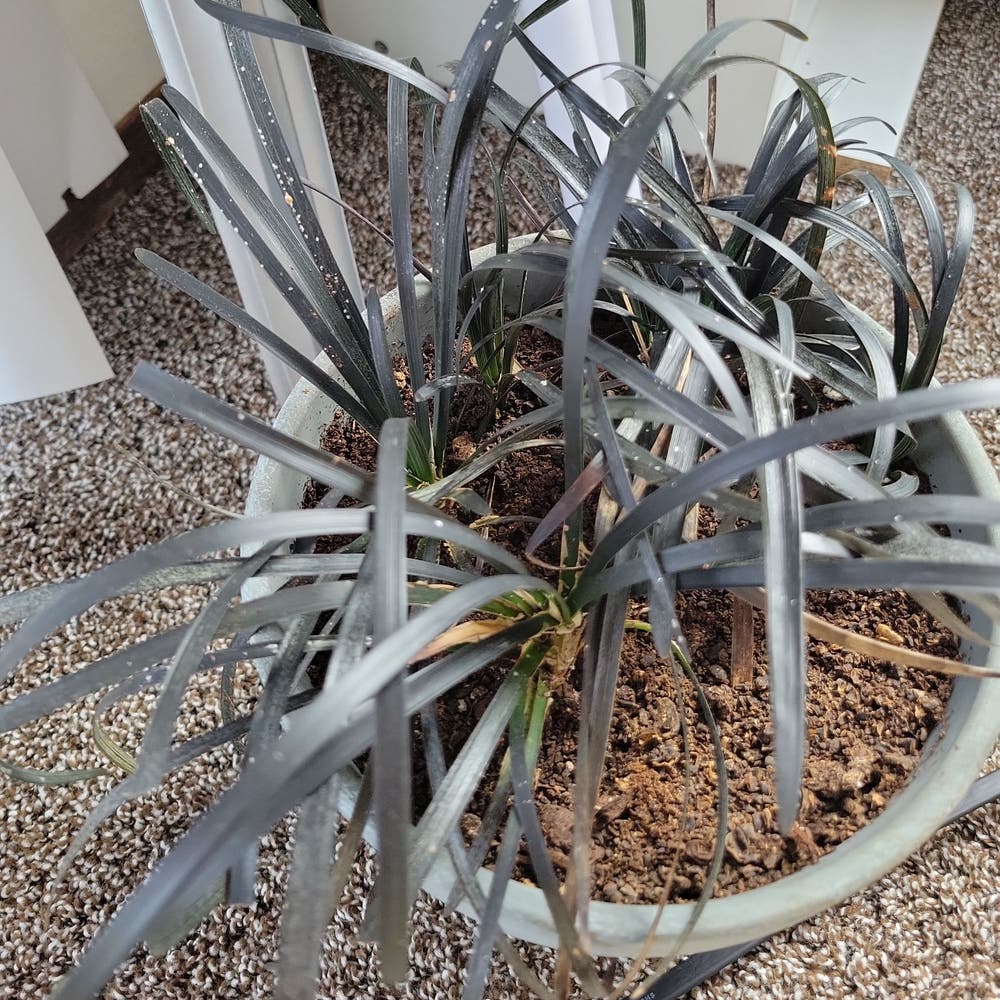
🌱 Lifespan of Aztec grass
Ophiopogon intermedius
By the Greg Editorial Team
Aug 10, 2024•5 min read
This article was created with the help of AI so we can cover more plants for you. May contain errors. See one? Report it here.
- 🌱 Aztec grass thrives in 20°C to 30°C temperatures for optimal germination.
- 💧 Consistent moisture is key; avoid waterlogging for healthy growth.
- 🌞 Full sun exposure (6-8 hours) is essential for a robust lifespan of 10-15 years.
Germination Stage
Conditions for Germination 🌱
To kickstart the life of Aztec grass, specific conditions must be met. The optimal temperature ranges from 20°C to 30°C (68°F to 86°F), creating a cozy environment for the seeds.
Soil moisture is crucial; it should be consistently moist but never waterlogged. Additionally, providing indirect sunlight will yield the best results for germination.
Duration of Germination ⏳
Typically, you can expect germination to take about 14 to 21 days. This period is essential for the seeds to transition into the next stage of growth.
Notable Changes During Germination 🔍
As the seeds germinate, several notable changes occur. The seed coat begins to soften and split, allowing the first root, known as the radicle, to emerge.
Simultaneously, the initial leaves, called cotyledons, start to develop. These early signs of growth are vital indicators that your Aztec grass is on the right track.
Understanding these germination conditions and changes sets the foundation for successful growth. Next, we’ll explore the seedling stage, where the grass begins to take shape and establish itself.
Seedling Stage
🌱 Characteristics of the Seedling Stage
During the seedling stage, Aztec grass showcases small, tender leaves that are a vibrant light green. This early growth is crucial as the plant develops a fibrous root system, which provides stability and aids in nutrient uptake.
⏳ Duration of the Seedling Stage
This stage typically lasts about 4 to 6 weeks. It's a critical period where the foundation for future growth is established.
🌍 Environmental Factors Affecting Growth
Soil Type
A well-draining, fertile soil is essential for optimal growth. It allows roots to expand and access nutrients effectively.
Watering
Regular moisture is vital during this stage. Keeping the soil consistently moist, but not soggy, ensures healthy development.
Sunlight
Aztec grass thrives in full sun, requiring 6 to 8 hours of sunlight daily. This exposure promotes robust growth and vibrant color.
Understanding these factors can significantly enhance your success in cultivating Aztec grass. As the seedlings mature, they set the stage for the next exciting phase of growth.
Vegetative Growth Stage
🌱 Description of Vegetative Growth
During the vegetative growth stage, Aztec grass establishes a dense mat that spreads through stolons and rhizomes. This growth habit not only enhances its coverage but also helps in stabilizing the soil.
The leaves during this phase are longer and narrow, reaching up to 10 cm (4 inches). Their vibrant green color adds a lush aesthetic to any landscape.
⏳ Duration of Vegetative Growth
This stage typically lasts between 8 to 12 weeks, depending on environmental conditions. Factors like temperature and moisture can significantly influence the growth rate.
🌿 Nutritional and Environmental Needs
To support healthy development, apply a balanced NPK fertilizer every 4 to 6 weeks. This ensures that the grass receives essential nutrients for robust growth.
Watering is crucial; deep watering once a week encourages the roots to grow deeper. This practice not only promotes stability but also enhances drought resistance.
Aztec grass thrives in warm conditions, ideally above 20°C (68°F). Keeping these environmental factors in check will lead to a thriving, lush lawn.
As we transition to the flowering stage, understanding the vegetative growth phase lays the groundwork for successful flowering and seed production.
Flowering Stage
Timing of Flowering 🌼
Flowering in Aztec grass usually kicks off in late summer and stretches into early fall. This vibrant phase lasts about 2 to 4 weeks, marking a crucial period in the plant's lifecycle.
Characteristics of the Flowering Stage 🌸
During this stage, you'll notice small, inconspicuous flowers that cluster together. Their color typically ranges from pale yellow to white, adding a subtle charm to the landscape.
Pollination and Its Significance 🌬️
Aztec grass primarily relies on wind for pollination. Successful pollination is vital, as it leads to seed production, which plays a key role in the plant's ability to spread and thrive.
Understanding the flowering stage is essential for anyone looking to cultivate Aztec grass effectively. This knowledge not only enhances your gardening skills but also deepens your appreciation for this resilient plant.
As we transition to the next section, let's explore the fascinating process of seed production and maturation.
Seed Production and Maturation
Process of Seed Production 🌱
After flowering, Aztec grass develops seed heads, which are crucial for reproduction. This stage is vital as it sets the stage for seed maturation, typically taking about 4 to 6 weeks post-pollination.
Duration of the Reproductive Cycle ⏳
The entire reproductive cycle, from flowering to seed dispersal, spans approximately 10 to 12 weeks. This timeframe is essential for understanding the plant's growth rhythm and planning for optimal care.
Overall Lifespan of Aztec Grass 🌿
Under ideal conditions, Aztec grass can live between 10 to 15 years. However, its lifespan is influenced by several factors, including soil quality, water availability, and environmental stressors.
Changes in Life Cycle 🔄
As Aztec grass transitions from seedling to mature plant, it undergoes significant changes in growth habit and leaf structure. This maturation process varies based on environmental conditions and care practices.
Understanding these changes is crucial for successful propagation and management of Aztec grass. By recognizing the plant's life cycle, you can better support its growth and longevity, ensuring a thriving garden.
Next, we’ll explore the fascinating flowering stage, where the plant showcases its beauty and reproductive potential.
⚠️ Safety First
This content is for general information and may contain errors, omissions, or outdated details. It is not medical, veterinary advice, or an endorsement of therapeutic claims.
Always consult a qualified healthcare professional before using any plant as food, medicine, or supplement.
Never eat any plant (or feed one to pets) without confirming its identity with at least two trusted sources.
If you suspect poisoning, call Poison Control (800) 222-1222, the Pet Poison Helpline (800) 213-6680, or your local emergency service immediately.
Spotted an error? Please report it here.
Unlock the full potential of your Aztec grass 🌿 with Greg's custom watering alerts and fertilization tips, ensuring it thrives for up to 15 years!