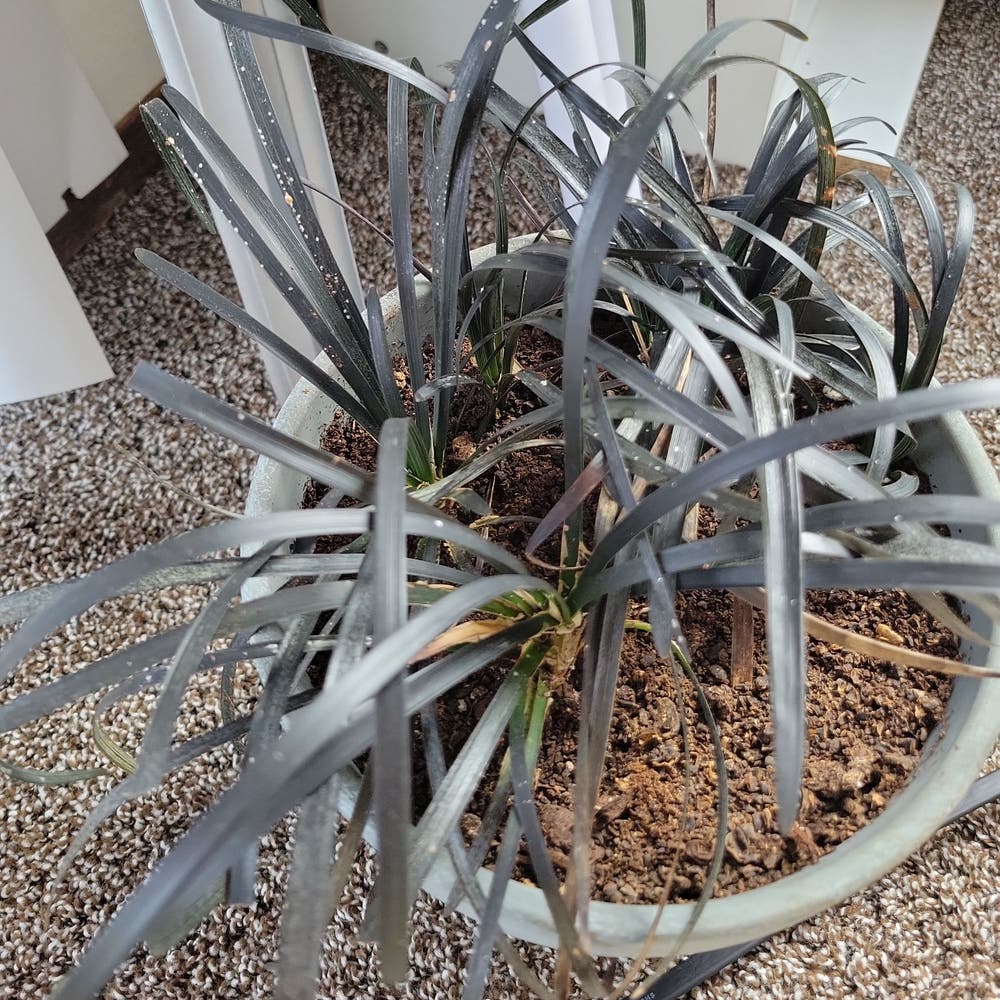
Ultimate Guide to Repotting Aztec grass 🪴
Ophiopogon intermedius
By the Greg Editorial Team
Aug 10, 2024•6 min read
This article was created with the help of AI so we can cover more plants for you. May contain errors. See one? Report it here.
- 🌱 Repot Aztec grass in spring or late summer for best growth results.
- 🛠️ Use proper tools like potting soil and a pot with drainage holes.
- 🌞 Ensure 6 hours of sunlight daily for robust Aztec grass health.
Step-by-Step Guide to Repotting
🛠️ Tools and Materials Needed for Repotting
Before diving into the repotting process, gather your essential tools and materials. You'll need:
- Potting soil suitable for Aztec grass
- A new pot with drainage holes
- Gardening gloves to protect your hands
- A trowel or hand spade for digging
- A watering can for hydration
Having everything on hand will streamline your repotting experience.
📋 Step-by-Step Repotting Process
Repotting can seem daunting, but breaking it down into manageable steps makes it easier. Follow this straightforward guide:
- Choose the right time: Early spring or late summer is ideal for optimal growth.
- Prepare the new pot: Ensure it has drainage holes and is clean to prevent disease.
- Remove the plant from its current pot: Gently tap the sides and slide it out, being careful not to damage the roots.
- Inspect the root system: Trim any damaged or overly long roots to promote healthy growth.
- Place the plant in the new pot: Center it and fill with potting soil, ensuring it’s stable.
- Water thoroughly: This helps the soil settle and eliminates air pockets, which can hinder growth.
🌱 How to Handle the Root System During Repotting
When dealing with the root system, gentleness is key.
- Be gentle: Avoid excessive pulling or tearing to prevent stress on the plant.
- Prune as necessary: Remove any dead or unhealthy roots to encourage new growth.
Taking care of the roots is crucial for the overall health of your Aztec grass.
With these steps, you’re well on your way to successfully repotting your plant. Next, let’s explore how to choose the right pot for your Aztec grass.
Choosing the Right Pot
Best Pot Materials 🌱
When selecting a pot for your Aztec grass, consider the material carefully.
Terracotta: This classic choice excels in drainage and air circulation, making it ideal for healthy root growth.
Plastic: Lightweight and easy to handle, plastic pots retain moisture well, which can be beneficial in drier conditions.
Ceramic: While aesthetically pleasing, ceramic pots may retain too much moisture, so use them cautiously.
Pot Sizes and Shapes Suitable 📏
Choosing the right size and shape is crucial for your plant's health.
Size: Opt for a pot that is 1-2 inches larger in diameter than the current one. This allows room for growth without overwhelming the roots.
Shape: Round pots are generally preferred as they promote even root growth, helping your Aztec grass thrive.
Pros and Cons of Different Pot Materials ⚖️
Understanding the advantages and disadvantages of each material can guide your decision.
| Material | Pros | Cons |
|---|---|---|
| Terracotta | Breathable, good drainage | Can crack in extreme temperatures |
| Plastic | Lightweight, affordable | Less breathable, potential for root rot |
| Ceramic | Decorative, retains moisture | Heavy, can lead to overwatering |
Each material has its unique characteristics, so choose one that aligns with your gardening style and the needs of your Aztec grass.
By selecting the right pot, you set the stage for successful growth and vibrant health. Next, let’s dive into soil and drainage considerations to ensure your plant thrives in its new home.
Soil and Drainage Considerations
Recommended Potting Soil 🌱
For Aztec grass, a well-draining potting mix is essential. Combine standard potting soil with sand and perlite to create a blend that promotes healthy growth.
Aim for a pH level between 6.0 and 7.0, which is slightly acidic to neutral. This range supports optimal nutrient absorption for your plant.
Importance of Drainage Holes 🚰
Drainage holes are crucial for preventing waterlogging. They allow excess water to escape, which is vital for healthy root development.
Without proper drainage, your plant risks root rot, a common issue that can quickly lead to plant decline.
How to Improve Drainage 🪨
To enhance drainage, consider adding gravel or small stones at the bottom of your pot. This simple step can significantly improve water flow.
Using a potting mix designed for cacti or succulents can also boost drainage capabilities. These mixes are formulated to keep roots dry while still providing necessary nutrients.
By focusing on soil and drainage, you set your Aztec grass up for success. Next, let’s explore how to choose the right pot for your plant.
Post-Repotting Care
💧 Watering Schedule After Repotting
After repotting your Aztec grass, the first step is to give it a thorough soak. This initial watering helps settle the soil and ensures the roots are well-hydrated.
For follow-up care, water only when the top inch of soil feels dry. Typically, this means watering every 1-2 weeks, depending on your environment.
☀️ Light Requirements Post-Repotting
Aztec grass thrives in full sun, so aim for at least 6 hours of direct sunlight each day. This exposure is crucial for robust growth and vibrant color.
If you’ve moved your plant indoors, introduce it to brighter light gradually. This acclimatization helps prevent shock and supports healthy development.
By following these post-repotting care tips, you’ll set your Aztec grass up for success. Next, let’s explore common repotting mistakes to avoid, ensuring your plant remains healthy and thriving.
Common Repotting Mistakes to Avoid
🌱 Overpotting vs. Underpotting
Choosing the right pot size is crucial. Overpotting—using a pot that's too large—can lead to excess moisture retention, which may cause root rot.
On the flip side, underpotting—selecting a pot that's too small—restricts root growth. This can stress your Aztec grass, making it less vibrant and healthy.
🧐 Ignoring Root Health During Repotting
Inspecting the root system is essential for a thriving plant. Healthy roots are the backbone of your Aztec grass's vitality.
Look for signs of trouble, like blackened or mushy roots, which indicate rot. Addressing these issues promptly can save your plant from decline.
🏺 Choosing the Wrong Pot Material
The material of your pot significantly impacts moisture retention. If you select a pot that holds too much moisture, you risk harming your plant.
Consider your climate when choosing pot materials. In hot areas, breathable options like terracotta are ideal for promoting healthy root systems.
By avoiding these common mistakes, you can ensure your Aztec grass thrives in its new home. Next, let’s explore how to choose the right pot for your plant!
⚠️ Safety First
This content is for general information and may contain errors, omissions, or outdated details. It is not medical, veterinary advice, or an endorsement of therapeutic claims.
Always consult a qualified healthcare professional before using any plant as food, medicine, or supplement.
Never eat any plant (or feed one to pets) without confirming its identity with at least two trusted sources.
If you suspect poisoning, call Poison Control (800) 222-1222, the Pet Poison Helpline (800) 213-6680, or your local emergency service immediately.
Spotted an error? Please report it here.
Transform your Aztec grass with expert repotting tips 🌿 from Greg, ensuring it thrives in its new home with personalized reminders and care tailored just for you!