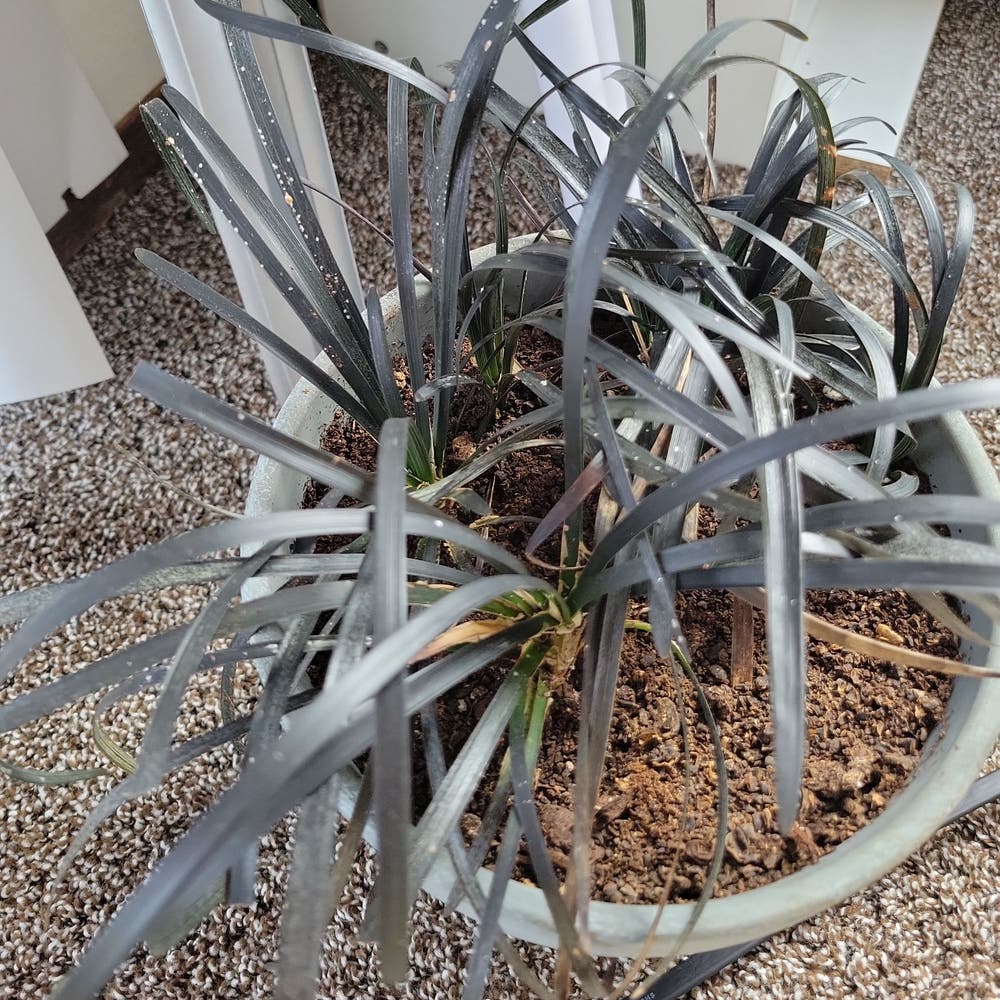
🌱 Ultimate Guide to Potting Aztec grass
Ophiopogon intermedius
By the Greg Editorial Team
Aug 10, 2024•6 min read
This article was created with the help of AI so we can cover more plants for you. May contain errors. See one? Report it here.
- 🌱 Choose the right pot material: Clay offers breathability, while plastic is lightweight.
- 🕒 Repot in spring for optimal growth; watch for roots outgrowing drainage holes.
- 💧 Ensure proper drainage: At least 3-5 holes prevent root rot and maintain moisture.
Ideal Pot Materials
🌱 Clay vs. Plastic
When choosing between clay and plastic pots for your Aztec grass, consider the unique benefits and drawbacks of each material. Clay pots are known for their breathability, allowing air to circulate around the roots, which helps regulate moisture levels. However, they can be heavy and prone to cracking, especially in extreme temperatures.
On the other hand, plastic pots are lightweight and versatile, making them easy to move around. They are generally more cost-effective and retain heat well, which can benefit your plants in cooler climates. However, they may not provide the same level of breathability as clay.
🏺 Durability and Aesthetic Appeal
Durability is another factor to weigh. Clay pots can last for years but may chip or crack over time. Plastic pots, while less durable, come in various colors and designs, allowing for more aesthetic choices to match your home decor.
Ultimately, the choice between clay and plastic pots depends on your specific needs and preferences. Consider factors like weight, moisture control, and how they fit into your overall gardening aesthetic.
🤔 Making the Right Choice
In summary, both materials have their pros and cons. Clay pots excel in breathability and moisture regulation, while plastic pots shine in lightweight versatility and cost-effectiveness.
Choosing the right pot material can significantly impact the health and growth of your Aztec grass. Next, let’s explore the ideal pot sizes for different growth stages to ensure your plants thrive.
Pot Sizes for Different Growth Stages
🌱 Recommended Sizes for Seedlings
For starting Aztec grass, choose a container that is 4-6 inches in diameter. This smaller size helps establish roots effectively, allowing the plant to thrive as it grows.
🌳 Size for Mature Plants
As your Aztec grass matures, transition to a container that is 12-16 inches in diameter. This size accommodates the plant's expanding root system and provides enough space for height and width growth.
🔄 Transitioning Between Sizes
Watch for signs that your Aztec grass needs a larger pot, such as roots growing out of the drainage holes. When selecting the next pot size, aim for one that is 2-4 inches larger in diameter.
Timing is also crucial; repot during the growing season for optimal results. This ensures your plant has the best chance to adapt and flourish in its new environment.
Drainage Considerations
Importance of Drainage Holes 🌊
Drainage holes are crucial for preventing root rot in Aztec grass. They allow excess water to escape, ensuring that roots don’t sit in soggy soil.
For optimal health, aim for at least three to five drainage holes, each about half an inch in diameter. This will help maintain the right moisture balance.
Ensuring Proper Drainage 🚰
When selecting pots, look for those with built-in drainage features. A pot with a solid drainage system is essential for healthy plant growth.
Use potting soil designed to promote drainage. This type of soil typically contains materials that allow water to flow freely.
Consider adding materials like gravel or perlite to your potting mix. These additions enhance drainage and prevent compaction, which can suffocate roots.
Signs of Poor Drainage 🚫
Watch for symptoms like yellowing leaves, wilting, or root rot. These are clear indicators that your Aztec grass may be suffering from poor drainage.
To assess drainage effectiveness, check the soil moisture level. If it remains soggy days after watering, it’s time to reconsider your pot choice.
Ensuring proper drainage is vital for the health of your Aztec grass. With the right pot and soil, you can create a thriving environment for your plants.
Next, let’s explore the best practices for repotting Aztec grass to keep it growing strong.
Repotting Aztec Grass
🕒 When to Repot
Repotting Aztec grass is essential when you notice root-bound conditions or stunted growth. These indicators signal that your plant is outgrowing its current pot and needs more space to thrive.
Seasonal timing also plays a crucial role in repotting. Spring is generally the best time, as the plant is gearing up for growth, while fall can be suitable if you missed the spring window.
🪴 Choosing the Right Pot for Repotting
Selecting the right pot involves considering size, material, and drainage. Ensure the new pot is appropriately sized to accommodate your plant's growth stage.
Matching the pot size to your Aztec grass's needs is vital. A pot that's too small can hinder growth, while one that's too large may lead to overwatering issues.
📋 Step-by-Step Guide to Repotting
Follow these steps to repot your Aztec grass effectively:
- Gather necessary materials: You'll need a new pot, fresh potting soil, and some basic tools.
- Remove Aztec grass from its current pot carefully: Gently loosen the soil around the edges to avoid damaging the roots.
- Inspect roots for health and trim if necessary: Look for any dead or rotting roots and trim them away.
- Place in new pot, ensuring proper positioning: Center the plant in the pot for balanced growth.
- Fill with potting soil, leaving space for watering: Leave about an inch of space at the top to prevent overflow when watering.
- Water thoroughly and place in appropriate light conditions: Ensure the soil is moist but not soggy, and position the pot in a spot with suitable light.
By following these steps, you can give your Aztec grass the fresh start it needs to flourish. Next, let’s explore common potting mistakes to avoid for optimal plant health.
Common Potting Mistakes
🌱 Overpotting vs. Underpotting
Overpotting occurs when you choose a pot that's too large for your Aztec grass. This can lead to excessive moisture retention, causing root rot and stunted growth.
On the flip side, underpotting means your plant is cramped, restricting root development. This can result in poor nutrient uptake and overall unhealthy plants.
🏺 Choosing the Wrong Materials
Selecting the wrong pot material can be a game-changer for your Aztec grass. For instance, using a non-breathable plastic pot can trap moisture, leading to root issues.
Conversely, clay pots are great for breathability but can crack easily. Always consider how the material affects moisture levels and root health.
🚰 Ignoring Drainage Needs
Proper drainage is crucial for healthy Aztec grass. Without adequate drainage holes, water can accumulate, leading to root rot and other problems.
Neglecting drainage considerations can have dire consequences. Yellowing leaves and wilting are clear signs that your plant is struggling due to poor drainage.
By avoiding these common potting mistakes, you can ensure your Aztec grass thrives. Next, let’s explore how to effectively repot your plant for continued growth.
⚠️ Safety First
This content is for general information and may contain errors, omissions, or outdated details. It is not medical, veterinary advice, or an endorsement of therapeutic claims.
Always consult a qualified healthcare professional before using any plant as food, medicine, or supplement.
Never eat any plant (or feed one to pets) without confirming its identity with at least two trusted sources.
If you suspect poisoning, call Poison Control (800) 222-1222, the Pet Poison Helpline (800) 213-6680, or your local emergency service immediately.
Spotted an error? Please report it here.
Pot your Aztec grass like a pro 🌱 with Greg's tailored potting tips and reminders, ensuring it thrives beautifully in its new home!