Managing Direct Sunlight for Your Aztec grass ☀️
Ophiopogon intermedius
By the Greg Editorial Team
Aug 10, 2024•4 min read
This article was created with the help of AI so we can cover more plants for you. May contain errors. See one? Report it here.
- 🌞 Aztec grass needs 6-8 hours of sunlight daily for optimal growth.
- ⚠️ Excessive direct sunlight causes stress, leading to brown leaves and wilting.
- 🪴 Adjust placement based on sunlight exposure to enhance Aztec grass health.
Aztec Grass and Sunlight Tolerance
🌞 Does Aztec Grass Need Direct Sunlight?
Aztec grass flourishes in warm climates, thriving best in full sun to partial shade. For optimal growth, it requires about 6-8 hours of sunlight daily.
☀️ Can Aztec Grass Tolerate Direct Sunlight?
Yes, Aztec grass can tolerate direct sunlight, but there are limits. While it can handle full sun, it may need some protection during peak hours in extremely hot climates.
🔆 Effects of Too Much Direct Sunlight on Aztec Grass
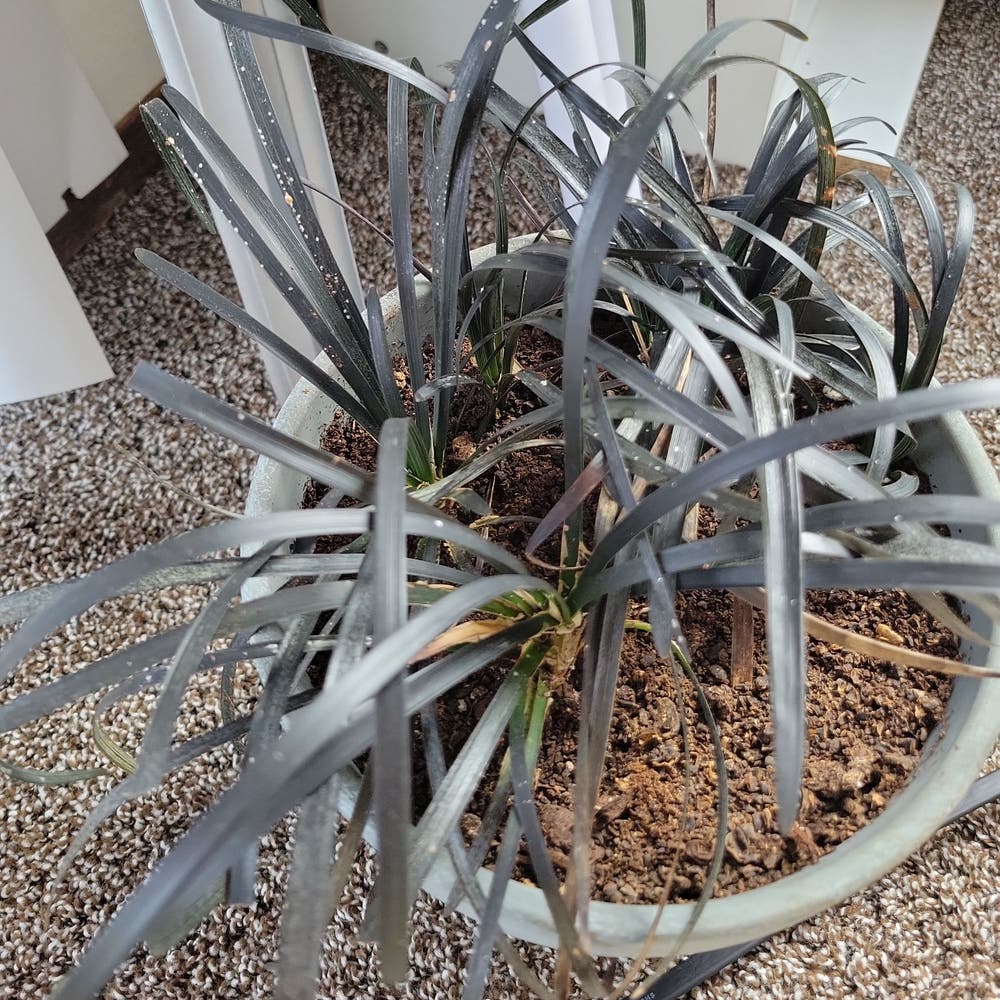
Excessive direct sunlight can stress Aztec grass, leading to visible signs like a brownish hue on leaves, scorched tips, and wilting. Long-term exposure can significantly reduce growth and overall health, making it crucial to monitor sunlight conditions closely.
Understanding these aspects of sunlight tolerance is vital for maintaining a healthy Aztec grass. Next, we’ll explore how environmental factors, like window direction, influence sunlight exposure for your plants.
Environmental Factors
🌞 Role of Window Direction in Sunlight Exposure
The direction of your windows plays a crucial role in how much sunlight your Aztec grass receives.
- South-facing windows: These are the champions, soaking up the most direct sunlight throughout the day.
- North-facing windows: Typically provide indirect sunlight, which is less intense and may not be ideal for optimal growth.
- East and West-facing windows: Offer a blend of direct and indirect sunlight, with the morning sun being cooler and more forgiving.
🌍 How Hemisphere Affects Sunlight Intensity and Duration
Understanding your hemisphere can significantly impact how you care for your Aztec grass.
- In the Northern Hemisphere, the sun is higher in the sky during summer, resulting in stronger direct sunlight.
- The Southern Hemisphere experiences similar effects but with seasonal variations; knowing your local climate is essential for proper care.
🍂 Seasonal Variations in Sunlight and Their Impact on Aztec Grass
Seasons change, and so do the light conditions for your plants.
- Summer: Expect longer days filled with intense sunlight. Keep an eye out for any signs of stress in your Aztec grass.
- Winter: Shorter days may necessitate adjustments in placement to ensure your grass gets enough light.
Understanding these environmental factors will help you create the best conditions for your Aztec grass to thrive. Next, let’s explore practical tips for assessing and adjusting sunlight exposure.
Practical Tips for Plant Parents
🌞 How to Assess Sunlight Conditions for Aztec Grass
To ensure your Aztec grass thrives, start by observing its environment throughout the day. Note how long and how intensely the sunlight hits the area.
Using a light meter or a smartphone app can provide precise measurements of light levels. This data helps you understand whether your plant is getting the right amount of sunlight.
🔄 Adjusting Placement Based on Sunlight Exposure
Once you’ve assessed the sunlight conditions, consider moving your Aztec grass pots or adjusting your landscaping accordingly. This simple change can make a significant difference in your plant's health.
For indoor plants, using sheer curtains can help diffuse harsh sunlight. This way, your Aztec grass can enjoy the light without suffering from too much intensity.
🚨 Signs of Stress in Aztec Grass Due to Sunlight Issues
Keep an eye out for brownish leaves, which indicate that your Aztec grass is receiving too much direct sunlight. This is a clear sign that adjustments are needed.
Wilting or drooping leaves may suggest inadequate water or excessive heat. Addressing these issues promptly can help restore your plant's vitality.
By staying vigilant and responsive to your Aztec grass's needs, you can create an environment where it flourishes. Next, let’s explore some common misconceptions about Aztec grass and sunlight.
Common Misconceptions
🌞 Myths About Aztec Grass and Sunlight
One common myth is that Aztec grass can thrive in complete shade. In reality, while it can tolerate some shade, it requires adequate sunlight for optimal growth.
💡 Clarifying the Needs of Aztec Grass in Different Light Conditions
Finding the right balance is crucial. Too much direct sunlight can harm the plant, leading to stress and damage, while too little can stunt its growth.
Understanding the light requirements of Aztec grass is essential for maintaining its health. By ensuring it receives the right amount of sunlight, you can enjoy a lush, vibrant lawn or garden.
As you navigate the sunlight needs of your Aztec grass, remember that a little observation goes a long way. Next, let’s explore practical tips for plant parents to assess and adjust sunlight conditions effectively.
⚠️ Safety First
This content is for general information and may contain errors, omissions, or outdated details. It is not medical, veterinary advice, or an endorsement of therapeutic claims.
Always consult a qualified healthcare professional before using any plant as food, medicine, or supplement.
Never eat any plant (or feed one to pets) without confirming its identity with at least two trusted sources.
If you suspect poisoning, call Poison Control (800) 222-1222, the Pet Poison Helpline (800) 213-6680, or your local emergency service immediately.
Spotted an error? Please report it here.
Keep your Aztec grass thriving in sunlight ☀️ by using Greg to monitor light levels and receive tailored care tips that ensure it flourishes without stress!