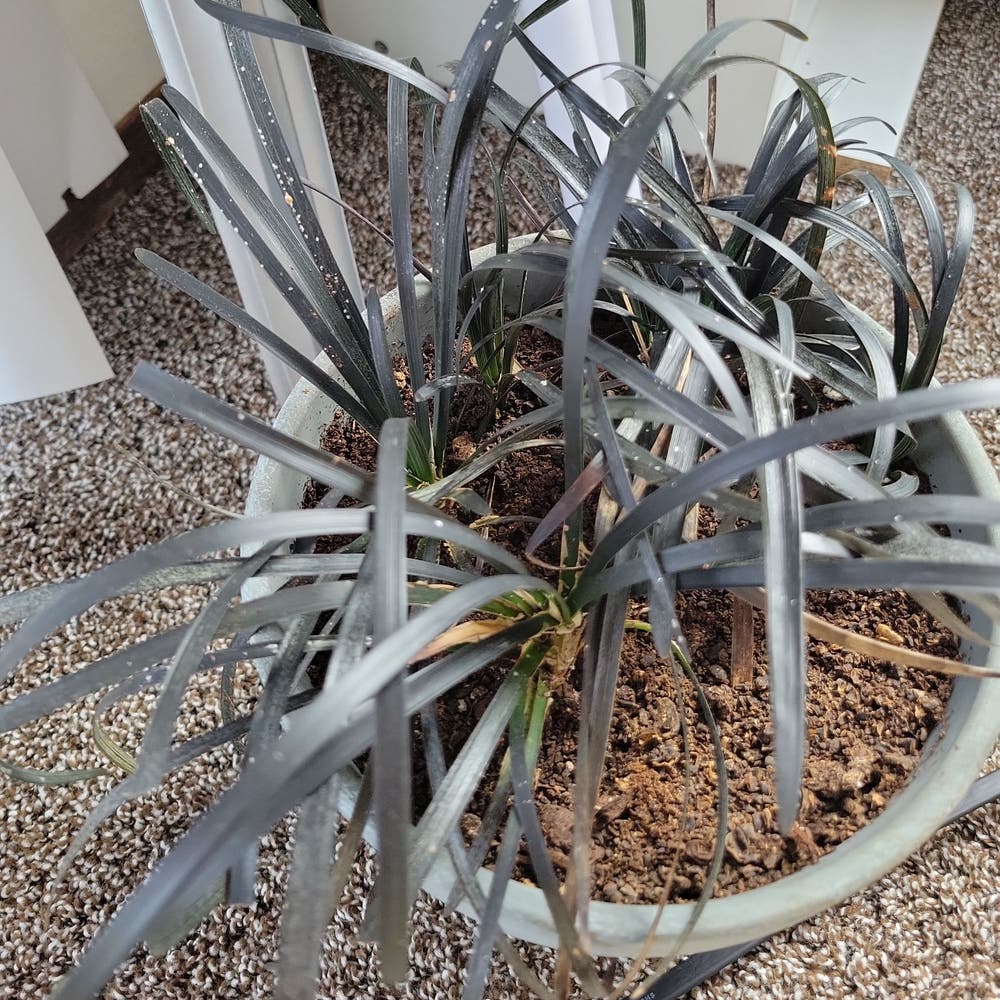
💧 Watering Frequency for Aztec grass: Best Practices
Ophiopogon intermedius
By the Greg Editorial Team
Aug 10, 2024•5 min read
This article was created with the help of AI so we can cover more plants for you. May contain errors. See one? Report it here.
- 💧 Water Aztec grass every 1-2 weeks; increase to weekly in spring and summer.
- 🌞 Adjust watering frequency based on climate: more in dry, less in humid areas.
- 🌱 Monitor soil moisture with a meter or finger test to prevent over/under-watering.
Ideal Watering Schedule
🌊 General Watering Frequency
For optimal growth, water your Aztec grass every 1-2 weeks during the growing season.
Seasonal Adjustments:
- Spring and Summer: Aim for weekly watering to keep the grass lush and vibrant.
- Fall and Winter: Reduce to every 2 weeks or as needed, depending on weather conditions.
🌦️ Factors Affecting Watering Frequency
Several factors can influence how often you should water your Aztec grass.
Climate Considerations
- Hot, Dry Climates: Increase watering frequency to combat evaporation.
- Humid Climates: Decrease frequency, as moisture levels are naturally higher.
Soil Type
- Well-Draining Soil: Requires more frequent watering to maintain moisture.
- Clay or Compacted Soil: Needs less frequent watering due to slower drainage.
Plant Size and Age
- Younger Plants: Water more often to support their growth.
- Established Plants: Water less frequently as they become more resilient.
Understanding these factors will help you tailor your watering schedule effectively. By adjusting based on climate, soil type, and plant maturity, you can ensure your Aztec grass thrives beautifully.
Next, we’ll explore how to recognize and correct common watering issues.
Recognizing and Correcting Watering Issues
💧 Symptoms of Over-Watering
Over-watering can be a sneaky problem for Aztec grass. Look out for yellowing leaves, wilting even when the soil is wet, and signs of root rot.
🛠️ Solutions for Over-Watering
- Adjust Schedule: Cut back on watering frequency and let the soil dry out.
- Improve Drainage: Ensure your pots have drainage holes and consider amending the soil for better flow.
- Repot if Necessary: If issues persist, switch to a well-draining soil mix to help your plants thrive.
🌵 Symptoms of Under-Watering
On the flip side, under-watering can stunt growth and damage your grass. Watch for browning leaf tips, a dry texture, and overall stunted growth.
🚿 Solutions for Under-Watering
- Increase Frequency: Water more often until your plants show signs of recovery.
- Deep Watering Technique: Make sure the water penetrates deeply into the soil.
- Mulching: Apply mulch to help retain moisture and keep the soil hydrated.
By recognizing these symptoms and implementing the right solutions, you can keep your Aztec grass healthy and vibrant. Next, let’s explore effective watering techniques to enhance your plant care routine.
Watering Techniques
Bottom-Watering Method 🌊
Bottom-watering is a fantastic technique that encourages deep root growth. This method allows plants to absorb moisture from the bottom up, promoting healthier roots.
Steps:
- Fill a tray with water.
- Place the pot in the tray for 30 minutes.
- Remove the pot and let any excess water drain out.
This approach is especially beneficial for Aztec grass, as it helps prevent over-saturation of the soil surface while ensuring the roots receive adequate hydration.
Self-Watering Pots 💧
Self-watering pots are a game-changer for maintaining consistent moisture levels. They simplify the watering process, making it easier to care for your plants.
Steps:
- Fill the reservoir with water.
- Monitor the moisture indicator to ensure your plant stays hydrated.
These pots are particularly useful if you have a busy schedule or want to ensure your Aztec grass remains healthy without constant attention.
By employing these watering techniques, you can enhance the growth and vitality of your Aztec grass, setting the stage for a thriving garden. Next, let’s explore how to measure soil moisture effectively to ensure your plants are getting just the right amount of water.
Measuring Soil Moisture
🛠️ Tools for Measuring
To ensure your Aztec grass thrives, measuring soil moisture is essential. Two effective tools for this task are a soil moisture meter and the finger test.
📏 Using a Soil Moisture Meter
A soil moisture meter provides a quick and accurate reading of moisture levels. Simply insert the probe into the soil and check the level displayed on the meter.
👆 Performing the Finger Test
The finger test is a straightforward method to gauge moisture. Insert your finger into the soil up to the second knuckle; if it feels dry, it’s time to water.
📊 Why Measuring Matters
Regularly checking soil moisture helps prevent both over-watering and under-watering. This practice ensures your Aztec grass receives the right amount of hydration for optimal growth.
⏰ Transitioning to Care Reminders
Once you’ve mastered measuring soil moisture, consider using tools like the Greg Plant Care App to set reminders and keep your watering schedule on track. This will help you maintain a healthy and vibrant lawn.
Care Reminders and Scheduling
📱 Using the Greg Plant Care App
The Greg Plant Care App is a game-changer for keeping your Aztec grass thriving. Set reminders based on your watering schedule to ensure you never miss a beat.
You can also customize notifications for seasonal changes, making it easier to adapt your care routine as the weather shifts. This way, your plants get the attention they need, right when they need it.
💧 Setting Up a Watering Schedule
Creating a flexible watering schedule is essential for the health of your Aztec grass. Base your schedule on current conditions and the growth stage of your plants.
Regularly review and adjust your plan using the app to stay in tune with your grass's needs. This proactive approach will help you maintain lush, vibrant greenery all year round.
With these tools and strategies, you can confidently care for your Aztec grass, ensuring it flourishes beautifully. Next, let’s explore effective watering techniques to enhance your plant care routine.
⚠️ Safety First
This content is for general information and may contain errors, omissions, or outdated details. It is not medical, veterinary advice, or an endorsement of therapeutic claims.
Always consult a qualified healthcare professional before using any plant as food, medicine, or supplement.
Never eat any plant (or feed one to pets) without confirming its identity with at least two trusted sources.
If you suspect poisoning, call Poison Control (800) 222-1222, the Pet Poison Helpline (800) 213-6680, or your local emergency service immediately.
Spotted an error? Please report it here.
Keep your Aztec grass lush and vibrant 🌱 by using Greg for personalized watering reminders and moisture readings that adapt to your unique environment!