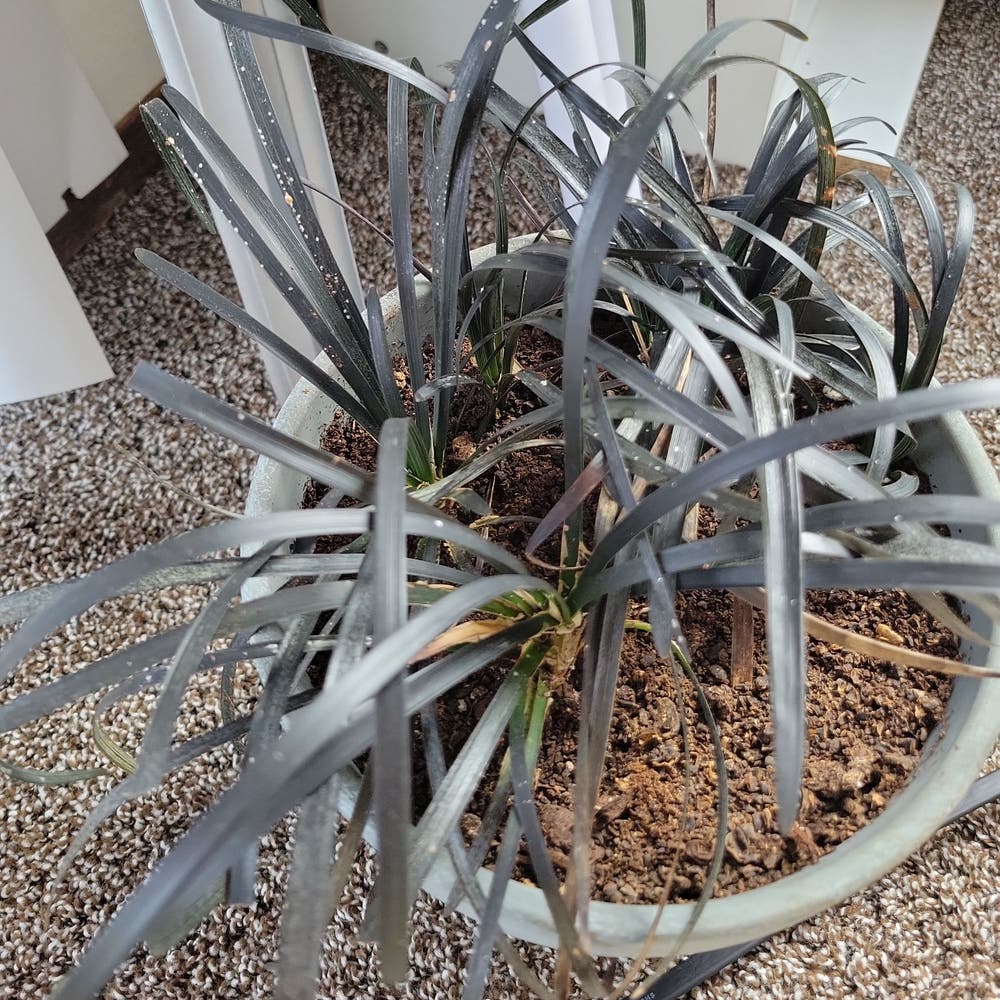
Dealing with Droopy Leaves on Your Aztec grass 😢
Ophiopogon intermedius
By the Greg Editorial Team
Aug 10, 2024•6 min read
This article was created with the help of AI so we can cover more plants for you. May contain errors. See one? Report it here.
- 💧 Overwatering and underwatering both cause droopy leaves; balance is key!
- 🌱 Nutrient deficiencies like nitrogen lead to droopiness; fertilize during growth periods.
- 🐛 Pests and diseases can worsen droopiness; inspect regularly for early intervention.
Causes of Droopy Leaves
💧 Overwatering and Its Effects
Overwatering is a common culprit behind droopy leaves. Symptoms include yellowing leaves, mushy roots, and a noticeable droopiness that can signal trouble.
When roots are suffocated by excess water, they can succumb to root rot. To prevent this, maintain consistent soil moisture without allowing water to pool.
🚰 Underwatering and Dehydration
On the flip side, underwatering can also lead to droopy leaves. Signs of dehydration include dry, crispy leaf tips and an overall limp appearance.
Consistent moisture is crucial, especially during the establishment phase. Aim for a watering frequency of 1-2 inches per week, adjusting based on weather conditions.
🏞️ Soil Compaction and Drainage Issues
Compacted soil can severely impact your Aztec grass. Reduced aeration and drainage lead to droopy leaves and overall poor health.
For optimal growth, use well-drained sandy or loamy soils. Aeration techniques, such as using a garden fork, can help improve soil structure and alleviate compaction.
🌱 Nutrient Deficiencies
🌿 Nitrogen Deficiency
A lack of nitrogen manifests as pale green leaves and stunted growth. To remedy this, apply high-nitrogen fertilizers during the growing season.
🍌 Potassium Deficiency
Potassium deficiency shows up as browning leaf edges and droopiness. Using potassium-rich fertilizers can enhance overall grass health and vigor.
🐛 Pest Infestations
🐜 Common Pests
Pests like grubs and aphids can wreak havoc on your grass. Grubs create irregular patches of droopy grass, while aphids can be spotted on leaf undersides, causing stress.
Control methods include using insecticidal soap and introducing beneficial insects to your garden.
🍄 Fungal Diseases
🌊 Root Rot
Root rot is a serious issue characterized by wilting and droopy leaves, even with adequate watering. This condition often arises from overwatering and poor drainage.
To prevent root rot, ensure you use well-draining soil and avoid waterlogging. Proper care can make all the difference in keeping your Aztec grass healthy.
Understanding these causes is the first step in addressing droopy leaves. Next, we'll explore how to diagnose the issue effectively.
Diagnosing Droopy Leaves
🌿 Visual Signs of Droopiness
Droopy leaves often exhibit a limp appearance and a noticeable loss of turgor. To differentiate between overwatering and underwatering, observe the leaf texture: overwatered leaves may feel soft and mushy, while underwatered ones tend to be dry and crispy.
💧 Assessing Soil Moisture Levels
To check soil moisture, use simple techniques like the finger test or a moisture meter. For Aztec grass, aim for slightly moist soil—never soggy—to promote healthy growth.
🐛 Checking for Pests and Diseases
Regular inspections for pests are crucial. Look for visible insects or signs of damage, such as irregular patches or discoloration, which may indicate a fungal disease.
☀️ Evaluating Environmental Conditions
Sunlight
Aztec grass thrives in full sun, requiring 6-8 hours of sunlight daily. Insufficient sunlight can lead to weak growth and droopy leaves, so ensure your grass gets enough light.
🌡️ Temperature
The ideal temperature range for Aztec grass is between 70°F to 90°F (21°C to 32°C). Extreme temperatures can stress the plant, contributing to droopiness.
Understanding these diagnostic signs and conditions is essential for maintaining the health of your Aztec grass. By addressing these factors, you can take proactive steps to prevent droopy leaves and ensure a lush, vibrant lawn.
Solutions for Droopy Leaves
🌊 Adjusting Watering Practices
To revive your Aztec grass, start by adjusting your watering schedule. Watering early in the morning or late in the afternoon helps minimize evaporation and ensures your grass gets the moisture it needs.
Deep watering is crucial for encouraging robust root growth. This technique allows water to penetrate deeper into the soil, promoting healthier plants.
🏞️ Improving Soil Drainage
Soil drainage is vital for preventing droopy leaves. Enhance drainage by adding organic matter or sand to your soil, which helps improve its structure.
Consider using aeration techniques, such as a garden fork or aerator, to relieve soil compaction. This allows air and water to reach the roots more effectively.
🌱 Fertilization Techniques for Recovery
Fertilization can play a significant role in recovery. Use slow-release or liquid fertilizers to provide essential nutrients to your grass.
Timing is everything; apply fertilizers during the active growth periods in spring and summer for the best results. This ensures your Aztec grass has the nutrients it needs when it needs them most.
🐛 Pest Control Methods
Pest control is essential for maintaining healthy grass. Organic options like neem oil and insecticidal soap can effectively manage pest populations without harming beneficial insects.
Early intervention is key. Regularly inspect your grass for signs of pests to prevent droopiness and other stress-related issues.
🦠 Disease Management Strategies
Identifying and treating root rot is crucial for your grass's health. Improve drainage and reduce watering to combat this issue effectively.
Preventative measures are equally important. Consider using disease-resistant varieties and practicing proper care to keep your Aztec grass thriving.
By implementing these solutions, you can help your Aztec grass recover from droopy leaves and maintain its vibrant appearance. Next, let’s explore how to prevent these issues from arising in the first place.
Preventing Droopy Leaves
💧 Best Practices for Watering
Establishing a consistent watering schedule is crucial for your Aztec grass. Adjust your watering based on rainfall and temperature to ensure the grass receives adequate moisture without becoming waterlogged.
Mulching is another effective technique for moisture retention. A layer of mulch can significantly reduce evaporation, keeping the soil consistently moist and your grass healthy.
🌱 Soil Preparation and Maintenance
Soil testing is essential for maintaining optimal conditions for your grass. Regularly check the pH and nutrient levels to ensure your soil supports healthy growth.
Incorporating regular amendments, like compost or organic matter, can enhance soil health. This practice not only improves nutrient availability but also promotes better drainage and aeration.
🔍 Regular Monitoring for Pests and Diseases
Establish a routine inspection schedule to catch any potential issues early. Weekly checks can help you spot pests or diseases before they escalate, keeping your grass vibrant.
Maintaining plant health is vital for resilience against stress. Strong, well-cared-for plants are less susceptible to droopiness and other issues, ensuring your Aztec grass thrives.
By implementing these preventive measures, you can enjoy lush, healthy grass while minimizing the risk of droopy leaves. Next, let’s explore effective solutions for addressing droopy leaves when they do occur.
⚠️ Safety First
This content is for general information and may contain errors, omissions, or outdated details. It is not medical, veterinary advice, or an endorsement of therapeutic claims.
Always consult a qualified healthcare professional before using any plant as food, medicine, or supplement.
Never eat any plant (or feed one to pets) without confirming its identity with at least two trusted sources.
If you suspect poisoning, call Poison Control (800) 222-1222, the Pet Poison Helpline (800) 213-6680, or your local emergency service immediately.
Spotted an error? Please report it here.
Revive your Aztec grass and say goodbye to droopy leaves 🌿 by using Greg's customized care reminders that ensure your plants get the right water, nutrients, and attention they need to thrive!