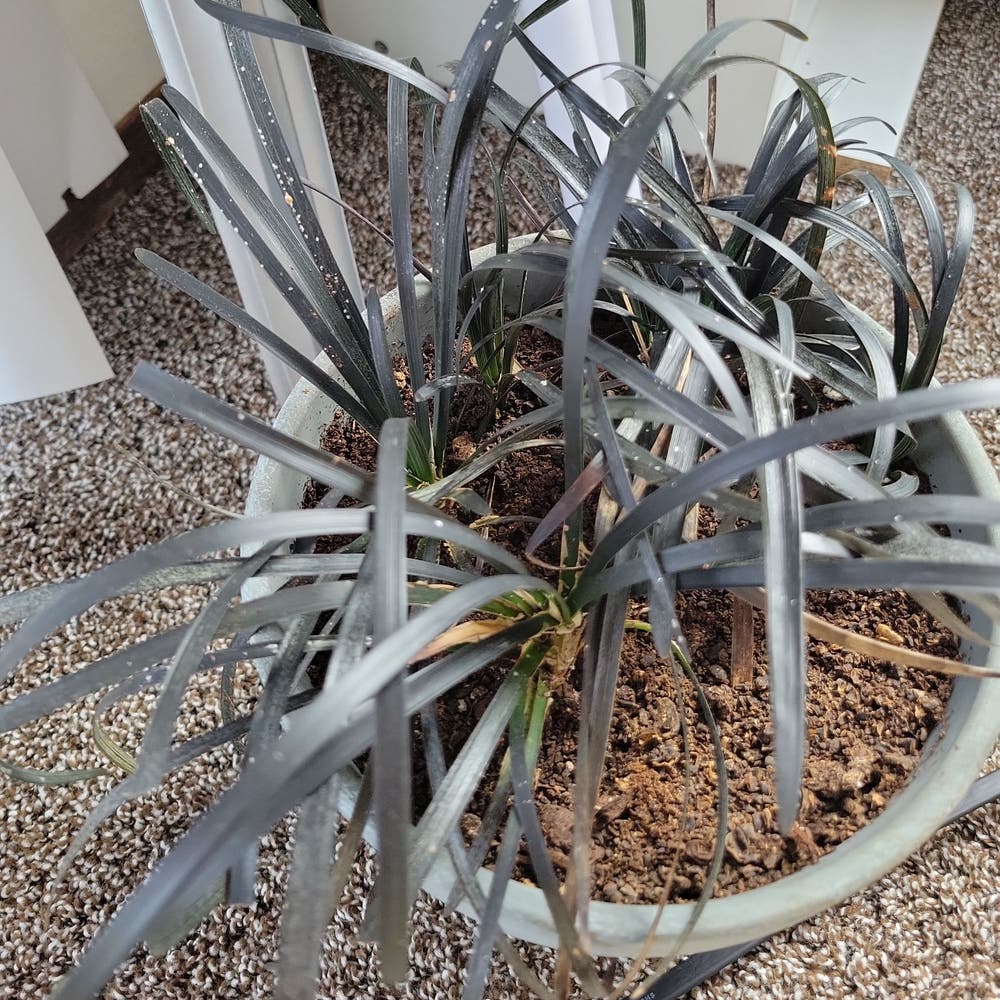
🌱 Planting Aztec grass in the Ground: A Step-by-Step Guide
Ophiopogon intermedius
By the Greg Editorial Team
Aug 10, 2024•6 min read
This article was created with the help of AI so we can cover more plants for you. May contain errors. See one? Report it here.
- 🌞 Choose a sunny spot with 6+ hours of sunlight for thriving Aztec grass.
- 🌱 Use well-drained sandy or loamy soil with a pH of 6.0-7.5 for best results.
- 💧 Water daily for the first week, then every 1-2 weeks once established.
Site Selection and Soil Preparation
🌍 Choosing the Right Location
Selecting the perfect spot for your Aztec grass is crucial. Aim for an area that receives a minimum of 6 hours of direct sunlight daily to promote healthy growth.
Additionally, consider protection from strong winds. Sheltered areas can help your plants thrive without the stress of harsh weather conditions.
🌱 Soil Type and pH Requirements
Aztec grass flourishes in well-drained sandy or loamy soil. This type of soil allows for optimal root development and moisture retention.
For the best results, ensure your soil pH falls within the range of 6.0 to 7.5. This balance supports nutrient availability and overall plant health.
🛠️ Preparing the Soil
Before planting, it's essential to prepare your soil properly. Start by tilling to break up compacted soil, which enhances drainage and aeration.
Next, incorporate organic matter, such as compost, to boost fertility. This step enriches the soil, providing essential nutrients for your Aztec grass.
Finally, conduct a soil test to check pH levels. If necessary, amend the soil to achieve the ideal conditions for planting.
With the right location and well-prepared soil, you're setting the stage for a thriving Aztec grass garden. Next, let’s dive into the planting process to ensure your grass takes root successfully.
Planting Aztec Grass
Step-by-Step Planting Instructions 🌱
Planting Aztec grass is straightforward and rewarding. Start by preparing the planting site; clear away any weeds and debris to create a clean workspace.
Next, dig holes that are twice the width of the root ball and the same depth. This ensures the roots have ample space to spread out.
Position the plant in the center of the hole, making sure it sits straight. Backfill with soil, pressing gently to eliminate any air pockets.
Finally, water thoroughly. The soil should be moist but not waterlogged, providing the perfect start for your Aztec grass.
Spacing and Depth Considerations 📏
For optimal growth, space your Aztec grass plants 18-24 inches apart. This distance allows each plant to thrive without competing for resources.
When planting, ensure the depth matches that of the nursery container. This helps the plant establish itself quickly and effectively.
Timing for Planting ⏰
The best times to plant Aztec grass are in spring or early fall. These seasons provide ideal conditions for establishment.
Avoid planting during extreme heat or frost, as these conditions can stress the plants and hinder their growth.
With these steps in mind, you’re well on your way to a lush, vibrant Aztec grass garden! Next, let’s explore how to care for your new plants through proper watering and fertilizing techniques.
Watering and Fertilizing
💧 Watering Requirements and Techniques
Watering Aztec grass properly is crucial for its health. Initially, water daily for the first week after planting to help establish roots.
Once established, switch to watering every 1-2 weeks. Allow the soil to dry between sessions to prevent overwatering.
🌱 Best Fertilizers for Aztec Grass
Choosing the right fertilizer can make a significant difference. A balanced NPK fertilizer, like 10-10-10, or slow-release options are highly recommended.
For those leaning towards organic methods, compost tea or fish emulsion can provide excellent nutrients without harsh chemicals.
📅 Fertilization Schedule and Methods
Timing your fertilization is key to promoting growth. Fertilize in early spring and again in mid-summer for the best results.
When applying, spread the fertilizer evenly around the base of the plant. Avoid direct contact with the stems to prevent any potential damage.
With proper watering and fertilizing, your Aztec grass will thrive beautifully. Next, let’s explore how to maintain and prune your grass for optimal health.
Pruning and Maintenance
🪴 When and How to Prune
Pruning Aztec grass is essential for maintaining its health and appearance. Aim to prune in late winter or early spring, just before new growth begins.
Cut back the grass to about 6-12 inches above the ground. This encourages fresh growth and keeps your garden looking tidy.
🌱 Ongoing Care Routine
Weeding is crucial for Aztec grass, as it reduces competition for nutrients and water. Regularly check your garden and remove any weeds that pop up.
Mulching is another effective strategy. Apply a 2-3 inch layer of mulch around your plants to help retain moisture and suppress weed growth.
🍂 Seasonal Care Tips
In spring, it's time to fertilize and prune for new growth. This sets the stage for a vibrant season ahead.
During summer, keep an eye on watering and watch for any pest activity. Staying proactive can prevent bigger issues down the line.
As fall approaches, prepare your Aztec grass for dormancy by reducing watering. This helps the plants conserve energy for the colder months.
By following these pruning and maintenance tips, you'll ensure your Aztec grass thrives throughout the seasons. Next, let’s dive into common challenges and solutions to keep your garden flourishing.
Common Challenges and Solutions
🐛 Identifying and Managing Pests
Pests can be a real headache for your Aztec grass. Here are some common culprits:
Common Pests
- Aphids: Look for curled leaves and a sticky residue on your plants.
- Spider Mites: Fine webbing and stippled leaves are telltale signs of these tiny invaders.
Control Methods
To combat these pests, consider introducing natural predators like ladybugs or lacewings. If the infestation is severe, organic insecticides such as neem oil or insecticidal soap can be effective.
🦠 Addressing Diseases
Diseases can also threaten the health of your Aztec grass. Fungal infections are particularly common.
Common Diseases
- Fungal Infections: Symptoms include yellowing leaves and wilting, which can quickly spread if not addressed.
Prevention and Treatment
To prevent fungal issues, improve air circulation by spacing your plants adequately. If you notice signs of infection, applying fungicides at the first hint can help save your grass.
🧐 Troubleshooting Growth Issues
Sometimes, your Aztec grass may not thrive as expected. Here’s how to troubleshoot common growth issues.
Yellowing Leaves
- Possible Causes: Overwatering or nutrient deficiency can lead to yellowing leaves.
- Solutions: Adjust your watering schedule and consider adding fertilizer to boost nutrients.
Stunted Growth
- Possible Causes: Poor soil conditions or inadequate sunlight might be the culprits.
- Solutions: Test your soil for quality and consider relocating your plants to a sunnier spot if necessary.
By staying vigilant and proactive, you can tackle these challenges head-on and keep your Aztec grass flourishing. Next, let’s explore the essential pruning and maintenance techniques to ensure your plants remain healthy and vibrant.
⚠️ Safety First
This content is for general information and may contain errors, omissions, or outdated details. It is not medical, veterinary advice, or an endorsement of therapeutic claims.
Always consult a qualified healthcare professional before using any plant as food, medicine, or supplement.
Never eat any plant (or feed one to pets) without confirming its identity with at least two trusted sources.
If you suspect poisoning, call Poison Control (800) 222-1222, the Pet Poison Helpline (800) 213-6680, or your local emergency service immediately.
Spotted an error? Please report it here.
Plant Aztec grass like a pro 🌱 by using Greg's tailored reminders for watering and fertilization to keep your garden thriving and pest-free!