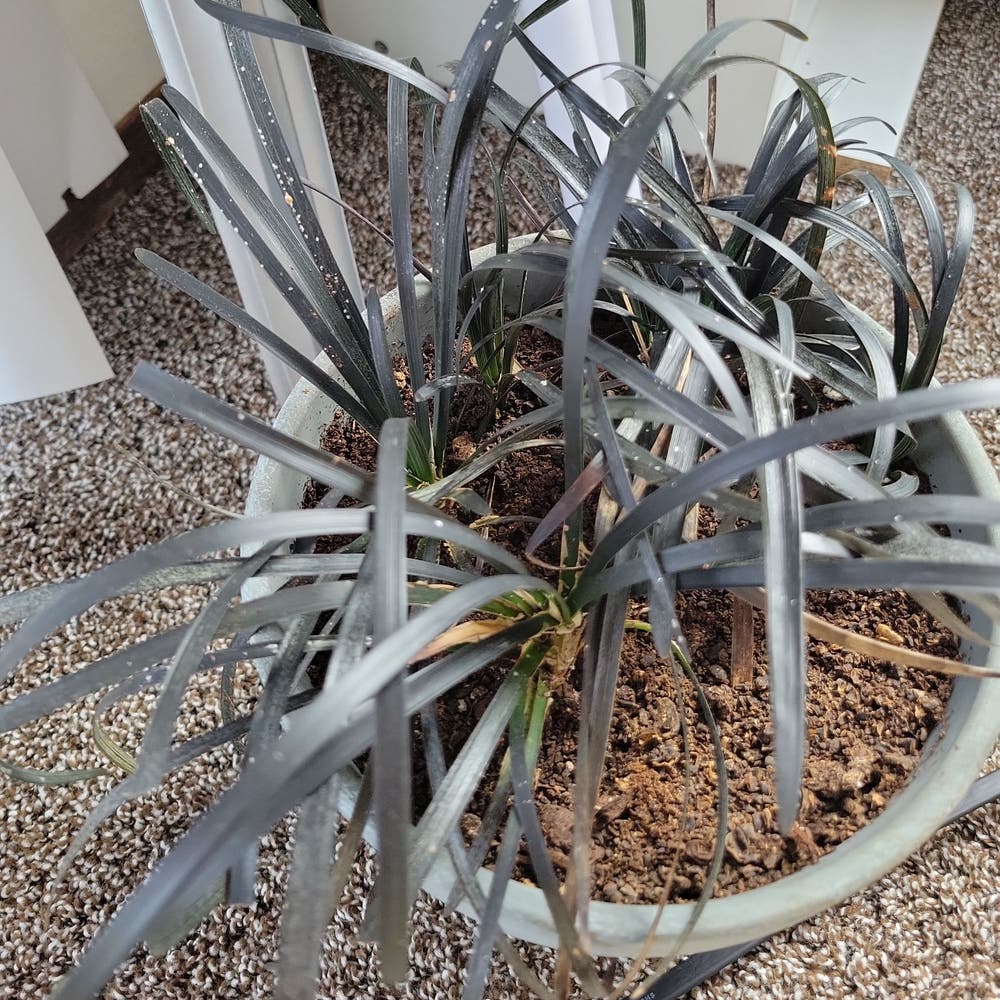
🌾 How to Cure Leaves Falling Over on Your Aztec grass
Ophiopogon intermedius
By the Greg Editorial Team
Aug 10, 2024•6 min read
This article was created with the help of AI so we can cover more plants for you. May contain errors. See one? Report it here.
- 💧 Overwatering and underwatering both cause drooping leaves in Aztec grass.
- 🌱 Well-draining soil is crucial to prevent root rot and nutrient deficiencies.
- 🐛 Pest infestations like aphids can lead to drooping; regular inspections are key.
Causes of Leaves Falling Over
💧 Overwatering and Its Effects
Overwatering is a common culprit behind drooping leaves on your Aztec grass. Symptoms include yellowing leaves, mushy roots, and noticeable leaf droop.
Waterlogged soil creates conditions that suffocate roots, leading to serious health issues. Establishing a proper watering schedule is crucial to prevent these problems.
🚰 Underwatering and Dehydration
On the flip side, underwatering can also cause distress. Signs of dehydration include crispy leaf edges, wilting, and drooping leaves.
These symptoms can severely impact overall plant health and growth. Adjust your watering frequency based on the specific conditions your grass faces.
🏞️ Soil Quality and Drainage Issues
Soil quality plays a vital role in the health of your Aztec grass. Ideally, you want well-draining sandy or loamy soil to promote healthy growth.
Poor drainage can lead to root rot and nutrient deficiencies. Regular soil testing for pH and nutrient levels is essential for maintaining optimal conditions.
🐛 Pest Infestations
Pests like aphids and spider mites can wreak havoc on your plants. Look for symptoms such as leaf curl, discoloration, and drooping as indicators of damage.
Monitoring pest populations is key to early intervention. Regular inspections can help you catch infestations before they escalate.
🍄 Fungal Diseases
Fungal diseases, particularly root rot, can be detrimental to your Aztec grass. Symptoms include wilting, yellowing, and mushy roots, signaling a serious issue.
Early detection and treatment are crucial for recovery. Addressing fungal infections promptly can save your grass from further decline.
Understanding these causes will empower you to take action and restore your Aztec grass to its vibrant state. Next, we’ll explore how to diagnose these problems effectively.
Diagnosing the Problem
🌊 Identifying Symptoms of Overwatering
Overwatering is a common issue that can lead to significant problems for your Aztec grass. Key indicators include yellowing leaves, waterlogged soil, and root rot.
To assess soil moisture levels, stick your finger about an inch into the soil. If it feels soggy, it's time to cut back on watering.
💧 Signs of Underwatering
Underwatering can be just as detrimental. Look for symptoms like wilting, crispy leaf edges, and drooping leaves.
If you notice these signs, it's crucial to adjust your watering schedule. Gradually increase the frequency to help your grass recover.
🐛 Recognizing Pest Damage
Pests can wreak havoc on your Aztec grass, making it essential to identify their presence early. Visual signs include leaf curl and discoloration.
Inspect your plants regularly, checking the undersides of leaves and around the base for any unwanted visitors. This proactive approach can save your grass from severe damage.
🏞️ Diagnosing Soil Issues
Soil quality plays a vital role in the health of your Aztec grass. Assessing soil drainage and quality is crucial for identifying potential problems.
Consider conducting a soil test to check for nutrient deficiencies. This step can provide valuable insights into how to improve your grass's growing conditions.
🌡️ Environmental Stress Indicators
Environmental factors can also stress your Aztec grass. Recognizing signs of temperature and humidity stress is key to maintaining its health.
Monitor your grass closely during extreme weather conditions. Implement strategies like shading or misting to help mitigate these stressors and keep your grass thriving.
By diagnosing these issues early, you can take the necessary steps to restore your Aztec grass to its vibrant state. Next, let’s explore effective treatment solutions to address these problems head-on.
Treatment Solutions
Adjusting Watering Practices 🌊
To keep your Aztec grass thriving, it's crucial to adjust your watering techniques. Opt for deep watering sessions rather than frequent shallow ones, allowing the roots to absorb moisture effectively.
Make sure to let the soil dry out between watering sessions. This practice prevents waterlogging and promotes healthy root development.
Improving Soil Drainage 💧
Soil drainage is vital for the health of your plants. Consider adding organic matter and sand to your soil to enhance its drainage capabilities.
Creating raised beds or mounds can also significantly improve water flow. This method helps prevent water from pooling around the roots, reducing the risk of root rot.
Applying Appropriate Fertilizers 🌱
Using the right fertilizers can make a world of difference. Balanced NPK formulas are ideal for providing essential nutrients to your Aztec grass.
Aim for a fertilization schedule that includes applications in spring and summer. This timing supports robust growth during the peak growing seasons.
Pest Control Methods 🐞
Pest management is essential for maintaining plant health. Organic options like neem oil and insecticidal soap can effectively combat common pests without harming beneficial insects.
If infestations persist, consider chemical treatments. Always follow application guidelines to ensure safety and effectiveness.
Treating Fungal Infections 🍄
Fungal infections can be detrimental to your Aztec grass. Recommended fungicides can help treat issues like root rot and other diseases effectively.
Be diligent about following application instructions. Proper treatment can restore your plant's health and vigor.
With these treatment solutions, you can tackle the challenges of maintaining your Aztec grass. Next, let’s explore preventative measures to keep your plants thriving year-round.
Preventative Measures
🌊 Best Practices for Watering
Establishing a consistent watering schedule is crucial for the health of your Aztec grass. Aim to water deeply but infrequently, allowing the soil to dry out between sessions to promote strong root growth.
Adjust your watering practices seasonally based on rainfall and temperature changes. During hotter months, you may need to increase frequency, while cooler months may require less.
🌱 Soil Amendments for Better Drainage
Improving soil drainage is essential for preventing issues like root rot. Consider adding compost, perlite, or sand to enhance soil structure and promote better water flow.
Incorporate these amendments by mixing them into the top few inches of existing soil. This will create a more hospitable environment for your grass.
🐞 Regular Pest Monitoring and Control
Routine inspections are vital for early detection of pests. Check the undersides of leaves and around the base of the plant for signs of infestations.
Implement strategies like introducing beneficial insects or using organic pest control methods to maintain a pest-free environment. This proactive approach can save you a lot of trouble down the line.
🌦️ Seasonal Care Tips to Prevent Stress
Adjust your care practices according to seasonal changes. For instance, mulching can help retain moisture and protect roots during extreme temperatures.
Be mindful of how weather shifts can impact your grass. Regularly assess and adapt your care routine to keep your Aztec grass thriving.
📍 Choosing the Right Location
Selecting the right location for your Aztec grass is crucial. Aim for areas that receive full sun and have well-drained soil to promote healthy growth.
Avoid spots that are shaded or prone to water accumulation. A well-chosen location can make all the difference in the vitality of your grass.
By implementing these preventative measures, you can create a thriving environment for your Aztec grass, ensuring it remains healthy and vibrant. Next, let’s explore how to diagnose any issues that may arise.
⚠️ Safety First
This content is for general information and may contain errors, omissions, or outdated details. It is not medical, veterinary advice, or an endorsement of therapeutic claims.
Always consult a qualified healthcare professional before using any plant as food, medicine, or supplement.
Never eat any plant (or feed one to pets) without confirming its identity with at least two trusted sources.
If you suspect poisoning, call Poison Control (800) 222-1222, the Pet Poison Helpline (800) 213-6680, or your local emergency service immediately.
Spotted an error? Please report it here.
Keep your Aztec grass thriving 🌿 by using Greg's tailored watering reminders and pest alerts to prevent drooping leaves and ensure vibrant growth!