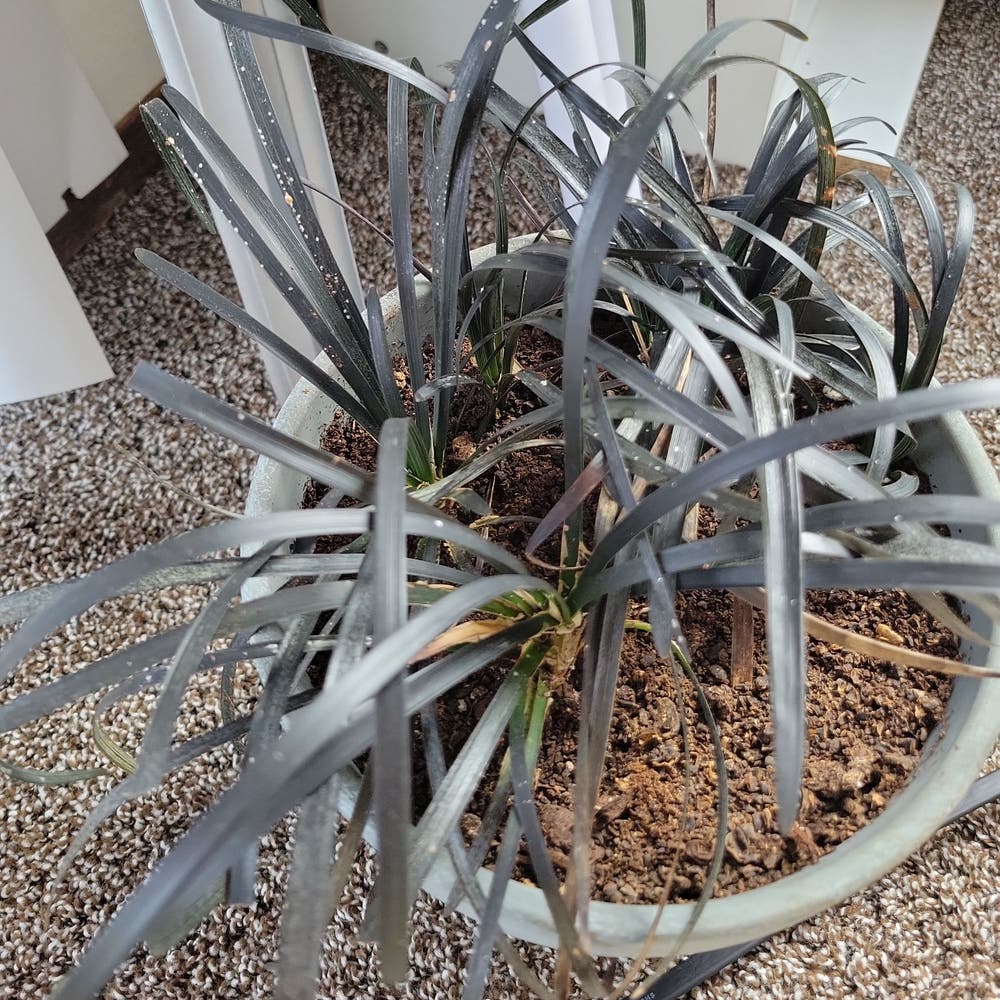
Aztec grass is Not an Invasive Plant
Ophiopogon intermedius
By the Greg Editorial Team
Aug 10, 2024•4 min read
This article was created with the help of AI so we can cover more plants for you. May contain errors. See one? Report it here.
- 🌱 Aztec grass is non-invasive, enhancing gardens without spreading uncontrollably.
- 💧 Drought-tolerant and low-maintenance, it thrives in well-drained soils with minimal watering.
- 🦋 Supports local wildlife, attracting beneficial insects and promoting biodiversity in gardens.
Growth Habits
Typical Patterns 🌱
Aztec grass forms dense tufts that add texture and structure to any garden. Typically, it reaches a height of 2-3 feet and spreads 1-2 feet wide, making it a striking addition to landscapes.
Natural Limits 🌧️
This grass thrives in well-drained soils but struggles in overly wet conditions. Once established, it is drought-tolerant and requires minimal watering, making it a low-maintenance option for gardeners.
Spread Potential 📏
Due to its clumping nature, Aztec grass has limited spread, which helps maintain its tidy appearance. For optimal growth, it's recommended to space plants 1-2 feet apart.
To promote health and control growth, regular maintenance is key. This includes occasional pruning and monitoring for any signs of stress or disease, ensuring your Aztec grass remains vibrant and lush.
With its unique growth habits, Aztec grass not only enhances your garden's aesthetic but also supports a sustainable ecosystem. Next, we’ll explore its ecological role and the benefits it brings to local wildlife and soil health.
Ecological Role
Benefits in Ecosystems 🌼
Aztec grass plays a vital role in attracting beneficial insects, which enhances pollination in your garden. This not only boosts plant health but also provides a habitat for local wildlife, promoting biodiversity.
Interactions with Wildlife 🦋
This grass supports native birds and insects, creating a thriving ecosystem. It also acts as a food source for various species, making it a key player in maintaining local wildlife populations.
Soil Health 🌱
The robust root system of Aztec grass helps prevent soil erosion, safeguarding your garden's integrity. Additionally, it improves soil structure and health by contributing organic matter, enriching the ground for future plant growth.
Incorporating Aztec grass into your garden not only beautifies your space but also fosters a healthy ecosystem. Next, let’s explore how to effectively manage this versatile plant in your garden design.
Garden Management
Incorporating into Designs 🌿
Aztec grass shines in xeriscaping and low-water gardens. Its dense tufts can serve as striking border plants or be used in mass plantings for a bold visual impact.
Growth Control ✂️
To maintain the desired shape and size, regular pruning is essential. Establish a seasonal maintenance schedule to keep your Aztec grass looking its best throughout the year.
Maintenance Tips 💧
During the establishment phase, water your Aztec grass weekly. Once established, switch to a bi-weekly schedule.
For fertilization, a light application of balanced fertilizer in spring will keep your plants thriving.
With these simple strategies, you can enjoy a vibrant, low-maintenance garden that supports local ecosystems. Next, let’s explore how Aztec grass compares to other non-invasive plants.
Comparison to Other Plants
🌱 Similar Non-Invasive Options
When considering non-invasive alternatives to Aztec grass, two excellent choices are blue fescue and Mexican feather grass.
Blue Fescue: This grass is known for its striking blue-green foliage and compact growth habit, making it a favorite for ornamental gardens. It thrives in well-drained soils and requires minimal maintenance.
Mexican Feather Grass: With its delicate, feathery plumes, this grass adds a soft texture to landscapes. It’s drought-tolerant and attracts beneficial insects, enhancing garden biodiversity.
🌟 Unique Qualities
Aztec grass stands out due to its remarkable drought tolerance and adaptability to arid climates.
Its dense clumping habit creates a lush appearance, unlike many other grasses that tend to spread uncontrollably. This makes it an ideal choice for gardeners looking to maintain structure without invasive growth.
🌼 Benefits of Aztec Grass
One of the key advantages of Aztec grass is its lower maintenance requirements.
It thrives with minimal intervention, allowing you to enjoy a vibrant garden without the hassle. Additionally, it plays a significant role in enhancing biodiversity and supporting local wildlife, making it a valuable addition to any landscape.
Incorporating Aztec grass not only beautifies your garden but also contributes positively to the ecosystem. As we move forward, let’s explore the legal and environmental considerations surrounding its use.
Legal and Environmental Considerations
📜 Classifications and Guidelines
When considering Aztec grass for your garden, it's essential to be aware of local regulations regarding non-invasive species. Many regions encourage the use of native plants, which can help maintain local biodiversity and support native wildlife.
🌱 Sustainable Practices
Incorporating Aztec grass into sustainable garden designs is a smart choice. This grass not only thrives in low-water conditions but also enhances biodiversity, creating a healthier ecosystem.
🌍 Environmental Impact
Aztec grass boasts a minimal negative impact on local ecosystems. Its root system contributes to soil health and provides vital habitats for various wildlife, making it a responsible choice for environmentally-conscious gardeners.
As you explore the benefits of Aztec grass, consider how it can fit into your landscape while supporting the environment. Next, let’s dive into how this grass compares to other plants in your garden.
⚠️ Safety First
This content is for general information and may contain errors, omissions, or outdated details. It is not medical, veterinary advice, or an endorsement of therapeutic claims.
Always consult a qualified healthcare professional before using any plant as food, medicine, or supplement.
Never eat any plant (or feed one to pets) without confirming its identity with at least two trusted sources.
If you suspect poisoning, call Poison Control (800) 222-1222, the Pet Poison Helpline (800) 213-6680, or your local emergency service immediately.
Spotted an error? Please report it here.
Transform your garden with non-invasive Aztec grass 🌿 and let Greg guide you with tailored care reminders to keep it thriving while boosting local biodiversity!