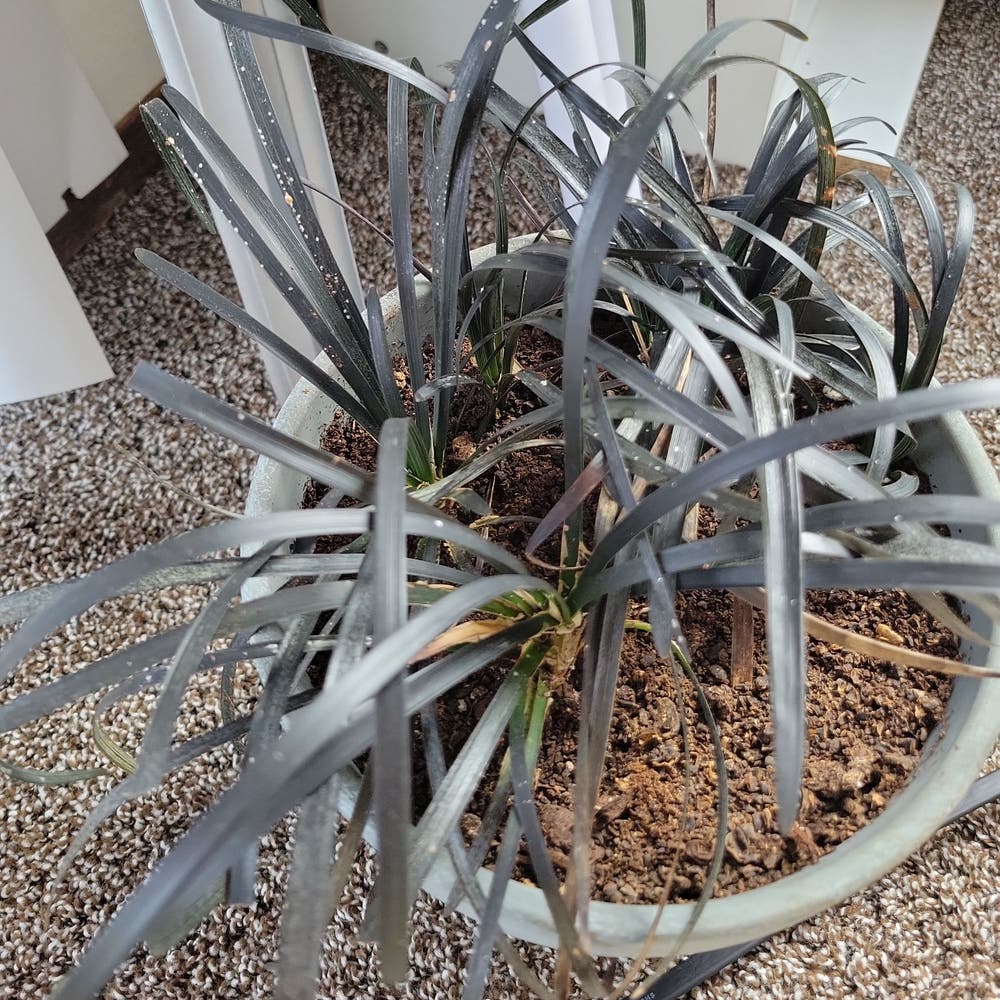
What You Should Know About Ophiopogon intermedius 🌾
Ophiopogon intermedius
By the Greg Editorial Team
Jan 29, 2025•10 min read
This article was created with the help of AI so we can cover more plants for you. May contain errors. See one? Report it here.
- 🌳 Ophiopogon intermedius thrives in shade, perfect for low-light garden areas.
- 💧 Consistent moisture and well-drained soil are essential for healthy growth.
- 🌱 Low maintenance and pest-resistant, it enhances garden biodiversity effortlessly.
How to Grow
🌳 Choosing a Location
Ophiopogon intermedius thrives in partial to full shade, making it an excellent choice for those tricky spots in your garden. It prefers well-drained, moist soil but is adaptable to various soil types, so you can plant it almost anywhere.
🌱 Soil Preparation
Aim for a soil pH between 6.0 and 7.0 for optimal growth. Incorporating organic matter is crucial, as it enhances soil fertility and helps retain moisture, creating the perfect environment for your plants.
🌼 Planting Techniques
When planting, space your Ophiopogon 12-18 inches apart to allow for healthy growth. Make sure to plant them at the same depth as they were in their nursery pots, ideally in spring or fall for the best results.
💧 Watering Requirements
Keep the soil consistently moist but avoid waterlogging, which can lead to root issues. Water at the base of the plant to prevent leaf rot and ensure that the roots receive the moisture they need.
🌿 Fertilizing
Use a balanced, slow-release fertilizer to nourish your plants. Fertilize in early spring and again in mid-summer to support their growth throughout the season.
✂️ Pruning and Ongoing Care
Regular maintenance is key to a thriving garden. Remove dead or damaged leaves to encourage new growth, and keep an eye out for pests and diseases throughout the growing season to ensure your plants stay healthy.
With these tips, you'll be well on your way to cultivating a lush and vibrant display of Ophiopogon intermedius in your garden. Next, let’s explore how to propagate this resilient plant for even more greenery!
Propagation ((difficulty:moderate))
🌱 Division Method
Propagation of Ophiopogon intermedius can be efficiently achieved through division.
- Timing: The best time to divide your plants is in spring or fall when they are actively growing.
- Tools: Grab a sharp spade or garden fork to make the process easier and cleaner.
- Steps:
- Carefully dig up the clump of plants.
- Divide the clump into sections, ensuring each has a few roots.
- Replant the sections immediately to minimize stress.
🌾 Seed Propagation ((difficulty:hard))
If you're feeling adventurous, you can also propagate Ophiopogon intermedius from seeds.
- Germination Process: Start by sowing seeds in a seed tray filled with a quality seed-starting mix.
- Care: Keep the soil consistently moist and maintain a temperature of around 70°F (21°C) for optimal germination.
- Timeline: Expect germination to occur within 2-4 weeks, so be patient and watch for those little sprouts!
With these propagation methods, you can expand your Ophiopogon intermedius collection or share it with fellow gardening enthusiasts. Next, let’s explore the size characteristics of this charming plant.
Size
Mature Height and Spread 🌱
Ophiopogon intermedius typically reaches a height of up to 12 inches. Its clumping habit allows it to spread between 12 to 18 inches wide, making it an excellent choice for ground cover.
Growth Rate and Time to Full Size ⏳
This plant has a moderate growth rate, taking about 2 to 3 years to reach its full size. Patience is key, as it gradually fills in spaces beautifully.
Size Variability Based on Growing Conditions 🌦️
The size of Ophiopogon intermedius can vary based on several factors. Light exposure, soil quality, and moisture levels all play significant roles in determining how robust your plants will grow.
Understanding these factors can help you create the ideal environment for your Ophiopogon intermedius. With the right conditions, you can enjoy a lush, vibrant display in your garden.
As we move forward, let's explore the roots of this fascinating plant and how they contribute to its overall health and growth.
Roots
🌱 Root System Characteristics
Ophiopogon intermedius features a fibrous root system that is typically shallow. This allows the roots to spread horizontally, making it effective at anchoring the plant while also accessing nutrients and moisture from the surrounding soil.
⚠️ Common Root-Related Issues
One of the most common problems is root rot, which occurs due to overwatering. Symptoms include mushy roots that can lead to plant decline if not addressed promptly.
Another issue is becoming rootbound, where the roots circle tightly within the pot. Signs of this include stunted growth and roots visibly circling the pot's edges.
👀 Visual Cues for Healthy vs. Unhealthy Roots
Healthy roots are firm, white, and spread evenly throughout the soil. In contrast, unhealthy roots appear dark, mushy, or may even emit a foul smell, indicating a need for immediate intervention.
Understanding these root characteristics and issues is crucial for maintaining the health of your Ophiopogon intermedius. By ensuring proper watering and monitoring root health, you can promote a thriving plant that enhances your garden's beauty.
Next, let’s explore the numerous benefits this plant offers to gardeners and the environment.
Benefits
Ophiopogon intermedius offers a variety of advantages that make it a fantastic addition to any garden.
🌟 Top 5 Benefits
Low Maintenance Ground Cover
This plant thrives with minimal care, making it perfect for busy gardeners or those new to gardening.Excellent for Shaded Areas in Gardens
Its ability to flourish in partial to full shade allows you to brighten up those tricky spots in your landscape.Attracts Beneficial Insects
By drawing in pollinators and other helpful insects, Ophiopogon intermedius contributes to a healthier garden ecosystem.Erosion Control on Slopes
Its dense growth habit helps stabilize soil on slopes, reducing erosion and promoting soil health.Aesthetic Appeal with Arching Foliage and Berries
The graceful arching leaves and seasonal berries add visual interest, enhancing the beauty of your garden throughout the year.
Incorporating Ophiopogon intermedius into your landscape not only beautifies your space but also supports the environment. Its numerous benefits make it a smart choice for any gardener looking to create a thriving, low-maintenance garden.
Next, let’s explore the best companion plants that can enhance your Ophiopogon intermedius experience.
Companion Plants
🌱 Explanation of Companion Planting
Companion planting is a gardening strategy that enhances biodiversity and improves pest management. By selecting plants that work well together, you can create a thriving ecosystem in your garden.
🌿 List of Compatible Companion Plants
When growing Ophiopogon intermedius, consider these compatible companions:
Hostas
Hostas thrive in similar shade conditions, making them perfect partners. Their lush foliage complements the delicate appearance of Ophiopogon.
Ferns
Ferns not only share moisture needs but also add a beautiful texture to your garden. Their fronds create a lovely contrast with the arching leaves of Ophiopogon.
Astilbe
Astilbe brings vibrant color to shaded areas, thriving alongside Ophiopogon. Their flowering season adds visual interest to your garden.
🚫 Plants to Avoid
While many plants can coexist with Ophiopogon, steer clear of aggressive spreaders.
Mint and Bamboo
These plants can quickly dominate the space, competing for resources and stifling the growth of your Ophiopogon. Keeping your garden balanced is key to a healthy landscape.
By carefully selecting companion plants, you can enhance the beauty and resilience of your garden. This thoughtful approach not only supports Ophiopogon intermedius but also creates a harmonious environment for all your plants. Next, let’s explore the toxicity of Ophiopogon intermedius to humans and pets.
Toxicity to Humans
Ophiopogon intermedius is generally safe for humans, as it is not listed as toxic by major poison control centers. However, if consumed in large quantities, it may cause mild skin irritation or digestive discomfort.
It's always wise to exercise caution. If you experience any unusual symptoms after contact or consumption, seeking medical advice is a good idea. This way, you can enjoy your gardening experience without unnecessary worries.
Toxicity to Dogs
Ophiopogon intermedius is not listed as toxic by major pet poison control centers, making it a safe choice for dog owners. However, if your furry friend decides to munch on it, there might be minor issues like mild gastrointestinal upset from eating large quantities.
🐶 Tips for Dog Owners
To ensure a harmonious garden environment, consider the placement of your plants. Monitor your dog's behavior around new plants to catch any unusual interest early on.
With a little care, you can enjoy the beauty of Ophiopogon intermedius without worrying about your pet's safety.
Toxicity to Cats
Ophiopogon intermedius is not listed as toxic by major pet poison control centers, making it a safe choice for cat owners. However, if consumed in large quantities, it may cause mild gastrointestinal upset.
🐱 Tips for Cat Owners
To ensure your feline friends stay safe, consider the following tips:
- Proper Placement: Position the plant out of reach to minimize the chance of nibbling.
- Monitor Behavior: Keep an eye on your cat's interactions with new plants to catch any unusual behavior early.
By taking these precautions, you can enjoy the beauty of Ophiopogon intermedius without worrying about your cat's health.
As we explore the benefits of this plant, you'll discover why it's a fantastic addition to your garden.
Problems
Common Problems 🌱
Incorrect Watering
Watering is crucial for Ophiopogon intermedius. Overwatering leads to yellowing leaves, while underwatering causes wilting.
To resolve this, adjust your watering schedule to keep the soil consistently moist but not soggy.
Incorrect Light Conditions
Light conditions can significantly impact growth. If your plant exhibits leggy growth, it may not be receiving enough light.
In this case, consider moving it to a shadier location where it can thrive.
Diseases
Fungal diseases like powdery mildew and rust can affect your plant's health. These issues often arise from poor air circulation.
To combat this, improve airflow around the plant and apply fungicides if necessary.
Leaf Issues
Scorching or yellowing leaves can indicate problems with watering or light exposure. These symptoms often signal that your plant is stressed.
Adjust your watering habits and ensure it receives the right amount of light to promote healthy foliage.
Growth Problems
If your Ophiopogon isn't growing or appears to be leaning, it may be struggling with its environment. Assessing the conditions is essential for its recovery.
Make necessary adjustments to light, water, and soil conditions to encourage robust growth.
These common problems can be easily managed with a little attention and care. By staying vigilant, you can ensure your Ophiopogon intermedius remains healthy and vibrant.
Next, let’s explore potential pest issues that could affect your plant's well-being.
Bugs
🐜 Potential Pest Issues
Ophiopogon intermedius is generally known for its moderate pest resistance. However, it can still attract a few unwelcome visitors.
🔍 Identification and Damage
Spider Mites
- Signs: Look for fine webbing and stippled leaves.
- Damage: These pests can weaken your plant's health significantly.
- Treatment: To combat spider mites, increase humidity around the plant and consider using miticides.
Mealybugs
- Signs: White, cottony masses on leaves are a telltale sign.
- Damage: Mealybugs sap the plant's strength, leading to poor growth.
- Treatment: You can remove them by hand or apply insecticidal soap for effective control.
Aphids
- Signs: Sticky residue on leaves and curled foliage indicate their presence.
- Damage: Aphids can stunt growth and affect overall vigor.
- Treatment: Introducing ladybugs can help, or you can use neem oil to keep them at bay.
By keeping an eye out for these pests and addressing any issues promptly, you can maintain the health and beauty of your Ophiopogon intermedius. Next, let’s explore what animals might be interested in snacking on your plants.
What Eats
🦌 Common Animals
Ophiopogon intermedius can attract a variety of garden visitors. Deer, rabbits, and squirrels are known to nibble on its foliage, potentially causing damage to your plants.
🕵️♂️ Signs of Animal Presence
Identifying animal activity is crucial for maintaining your garden. Look for signs such as chewed leaves, tracks, or droppings nearby, which indicate that these critters are enjoying your plants as a snack.
🚫 Methods for Deterring
Preventing unwanted munching can be achieved through various methods.
- Chemical deterrents: Commercial repellents can create a barrier that discourages animals from approaching.
- Organic methods: Planting strong-smelling herbs nearby or using physical barriers like fences can effectively keep these animals at bay.
By employing these strategies, you can protect your Ophiopogon intermedius and ensure it thrives in your garden.
⚠️ Safety First
This content is for general information and may contain errors, omissions, or outdated details. It is not medical, veterinary advice, or an endorsement of therapeutic claims.
Always consult a qualified healthcare professional before using any plant as food, medicine, or supplement.
Never eat any plant (or feed one to pets) without confirming its identity with at least two trusted sources.
If you suspect poisoning, call Poison Control (800) 222-1222, the Pet Poison Helpline (800) 213-6680, or your local emergency service immediately.
Spotted an error? Please report it here.
Unlock the secret to a thriving shaded garden 🌱 with Greg's personalized care tips and watering reminders for your Ophiopogon intermedius!