❄️ How to Prepare Your Schismatoglottis 'Thailand' for Winter
Schismatoglottis 'Thailand'
By the Greg Editorial Team
Sep 30, 2024•4 min read
This article was created with the help of AI so we can cover more plants for you. May contain errors. See one? Report it here.
- ❄️ Frost protection is crucial for your Schismatoglottis 'Thailand' during winter.
- 🌡️ Indoor potting and humidity help maintain optimal conditions in cold months.
- 🌱 Monitor soil moisture and adjust watering to prevent winter stress.
Winter Care Requirements
❄️ Frost protection methods
Frost protection is crucial for your Schismatoglottis 'Thailand' during winter. These plants are sensitive to cold, and taking steps to shield them can prevent damage.
Recommended frost protection techniques:
- Using frost cloths or blankets: Cover your plants at night when temperatures drop. This simple method can significantly reduce frost exposure.
- Creating microclimates with surrounding plants: Grouping your Schismatoglottis with hardier plants can provide natural insulation. This helps maintain a warmer environment.
- Bringing pots indoors during extreme cold: If temperatures plummet, consider moving your pots inside. This ensures they stay safe from harsh conditions.
💧 Adjusting watering schedule for winter
As winter sets in, your watering routine needs to change. The cooler temperatures and lower light levels mean your plant requires less water.
Signs of overwatering vs. underwatering in winter:
- Overwatering: Look for yellowing leaves and a mushy stem. These are clear indicators that your plant is getting too much moisture.
- Underwatering: If leaves are wilting or crispy, it’s time to rehydrate.
Recommended watering schedule:
- Frequency: Water every 2-3 weeks, adjusting based on humidity levels.
- Soil moisture checks: Use a moisture meter or simply stick your finger into the soil. This will help you gauge when it’s time to water.
🌱 Fertilizing schedule during winter months
During winter, your Schismatoglottis 'Thailand' enters a dormancy phase. This means it’s essential to reduce fertilization to avoid stressing the plant.
Recommended fertilization practices:
- Use of diluted liquid fertilizer every 6-8 weeks: This provides necessary nutrients without overwhelming your plant.
- Avoiding high-nitrogen fertilizers during winter: High nitrogen can promote unwanted growth during dormancy. Stick to balanced or low-nitrogen options.
By following these winter care requirements, you can ensure your Schismatoglottis 'Thailand' thrives even in the colder months. Next, let’s explore how to create the best indoor conditions for your plant during winter.
Indoor Winter Care
Best indoor conditions 🌡️
To keep your Schismatoglottis 'Thailand' thriving indoors during winter, aim for a temperature range of 18°C to 24°C (65°F to 75°F). This temperature zone helps prevent stress and promotes healthy growth.
Avoid placing your plant near drafts or heat sources. Sudden temperature changes can shock the plant, leading to unwanted stress.
Humidity and temperature considerations 💧
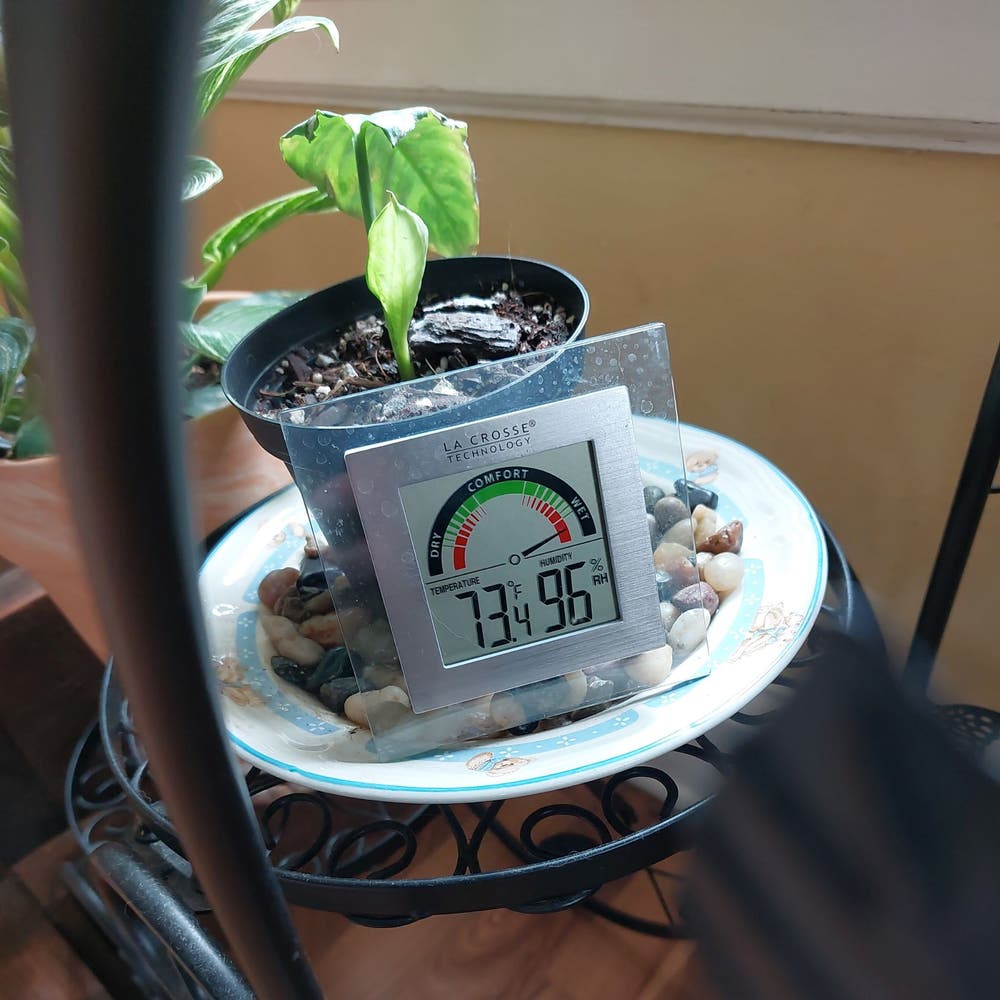
Maintaining humidity levels between 50-70% is crucial for your plant's health. Dry indoor air can lead to issues like leaf drop or browning edges.
To boost humidity indoors, consider these methods:
- Using a humidifier: This is the most effective way to maintain consistent humidity.
- Grouping plants together: Plants naturally release moisture, creating a mini ecosystem.
- Placing water trays with pebbles near the plant: This adds moisture to the air as the water evaporates.
By ensuring optimal indoor conditions, your Schismatoglottis 'Thailand' will be well-prepared to weather the winter months. Next, let’s explore how to recognize signs of recovery as spring approaches.
Spring Preparation
🌱 Signs of Recovery from Winter Damage
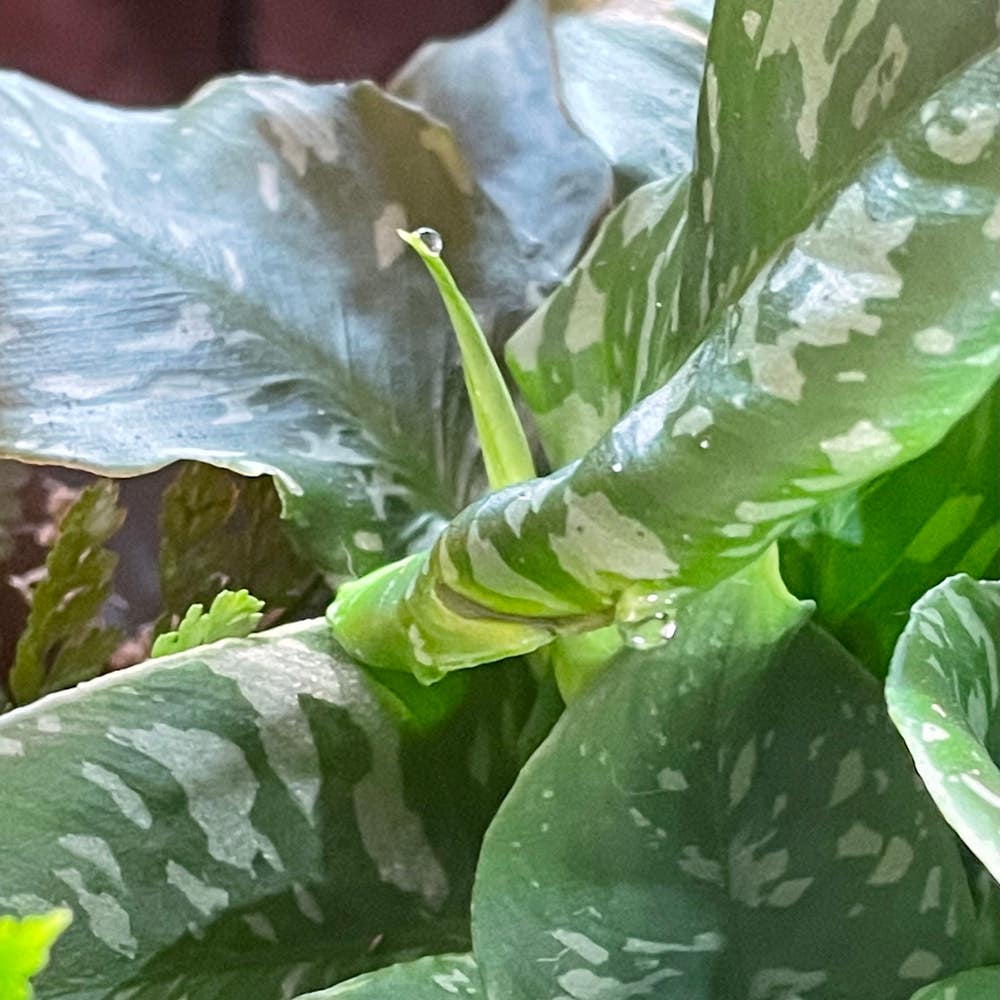
As winter fades, look for signs of healthy new growth on your Schismatoglottis 'Thailand'. Fresh leaves sprouting are a clear indication that your plant is bouncing back.
Monitor the color and texture of existing leaves as well. If they appear vibrant and firm, your plant is on the mend; however, yellowing or wilting leaves may signal lingering stress.
🌼 Preparing for Spring Growth
With the arrival of spring, it's time to gradually increase light exposure. As days lengthen, your plant will thrive with more sunlight, so adjust its position accordingly.
Resuming regular watering and fertilizing schedules is crucial. Aim to water more frequently and consider using a balanced fertilizer to support new growth.
If your plant has become root-bound over the winter, repotting is essential. This will provide the space needed for healthy root development and overall growth.
By following these steps, you'll set your Schismatoglottis 'Thailand' up for a vibrant spring. Transitioning into this new season will ensure your plant thrives and flourishes.
Common Winter Problems and Solutions
🥶 Identifying and Addressing Winter Damage
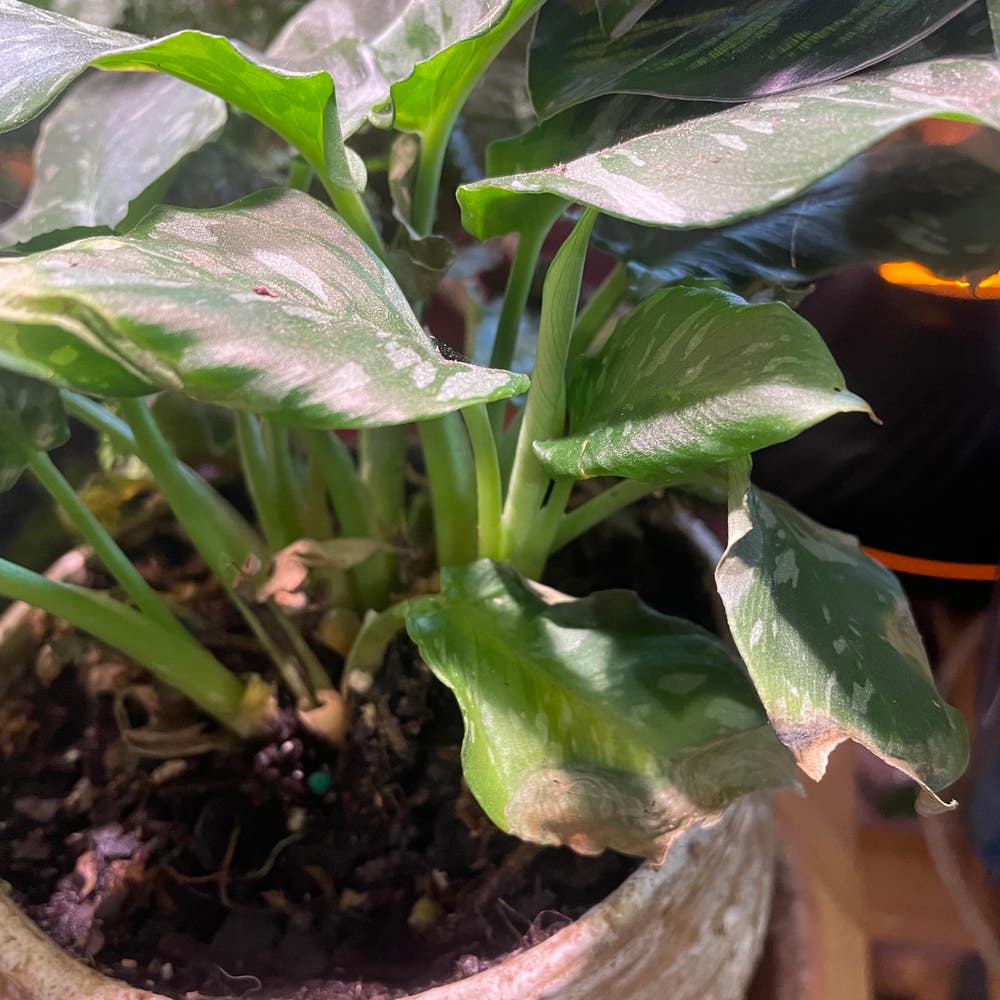
Winter can be tough on your Schismatoglottis 'Thailand'. Look out for common signs of winter damage, such as yellowing leaves, leaf drop, or wilting.
If you notice these issues, don’t panic. Pruning the affected areas can help rejuvenate your plant. Adjusting your care routine based on what you observe is also crucial for recovery.
❄️ Tips for Preventing Frostbite and Cold Stress
To keep your plant safe during winter, consider its outdoor placement carefully. Position it in a sheltered spot to shield it from harsh winds and extreme cold.
Monitoring temperature fluctuations is essential. Be proactive by using protective coverings during unexpected cold snaps to ensure your plant stays warm and healthy.
With these strategies, you can help your Schismatoglottis 'Thailand' thrive even in the coldest months. Now, let’s explore how to prepare for spring growth!
⚠️ Safety First
This content is for general information and may contain errors, omissions, or outdated details. It is not medical, veterinary advice, or an endorsement of therapeutic claims.
Always consult a qualified healthcare professional before using any plant as food, medicine, or supplement.
Never eat any plant (or feed one to pets) without confirming its identity with at least two trusted sources.
If you suspect poisoning, call Poison Control (800) 222-1222, the Pet Poison Helpline (800) 213-6680, or your local emergency service immediately.
Spotted an error? Please report it here.
Keep your Schismatoglottis 'Thailand' thriving this winter ❄️ by using Greg's tailored reminders for watering and humidity, ensuring your plant stays cozy and healthy all season long!