Why Are My Schismatoglottis 'Thailand' Leaves Curling?
Schismatoglottis 'Thailand'
By the Greg Editorial Team
Mar 19, 2024•4 min read
This article was created with the help of AI so we can cover more plants for you. May contain errors. See one? Report it here.
- 🌡️ Adjust thermostat to 65-75°F to prevent temperature-related leaf curl.
- 💡 Bright, indirect light and 40-60% humidity keep leaves uncurled.
- 🚿 Water wisely—check soil dryness and ensure proper drainage.
Spotting the Culprits: Common Causes of Leaf Curling
🌡️ Too Hot, Too Cold, Just Right: Temperature Troubles
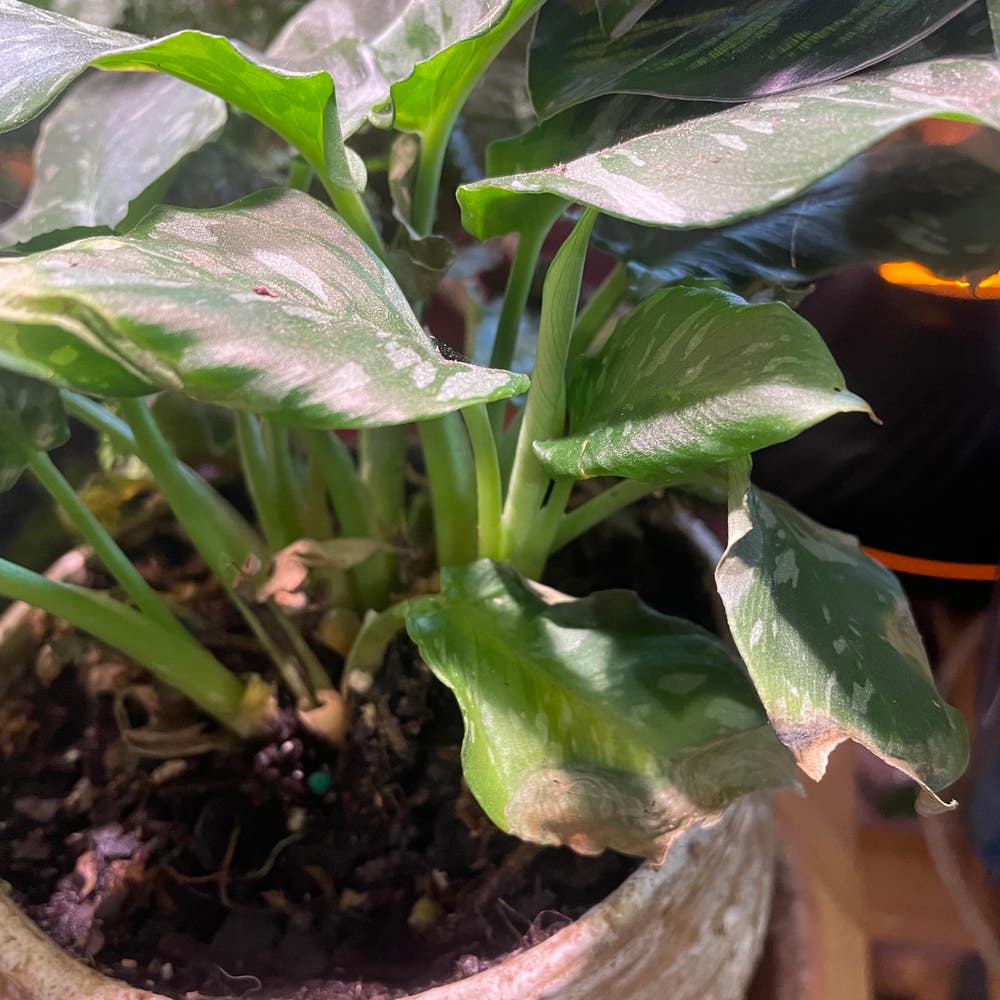
Temperature stress shows no mercy to your Schismatoglottis 'Thailand'. Leaves curling like party streamers? Too hot. Sporting brown spots like a leopard? Probably too cold. Adjust your thermostat to a cozy range between 65-75°F (18-24°C) to keep those leaves flat and fabulous.
🌞 Light: Finding the Sweet Spot
Schismatoglottis 'Thailand' leaves that reach for the sky are begging for more light, while leaves curling in on themselves are likely getting sunburned. Position your plant in a spot with bright, indirect light. Think of it as the VIP lounge of light conditions—exclusive, but not too flashy.
💦 Humidity: Creating a Tropical Haven
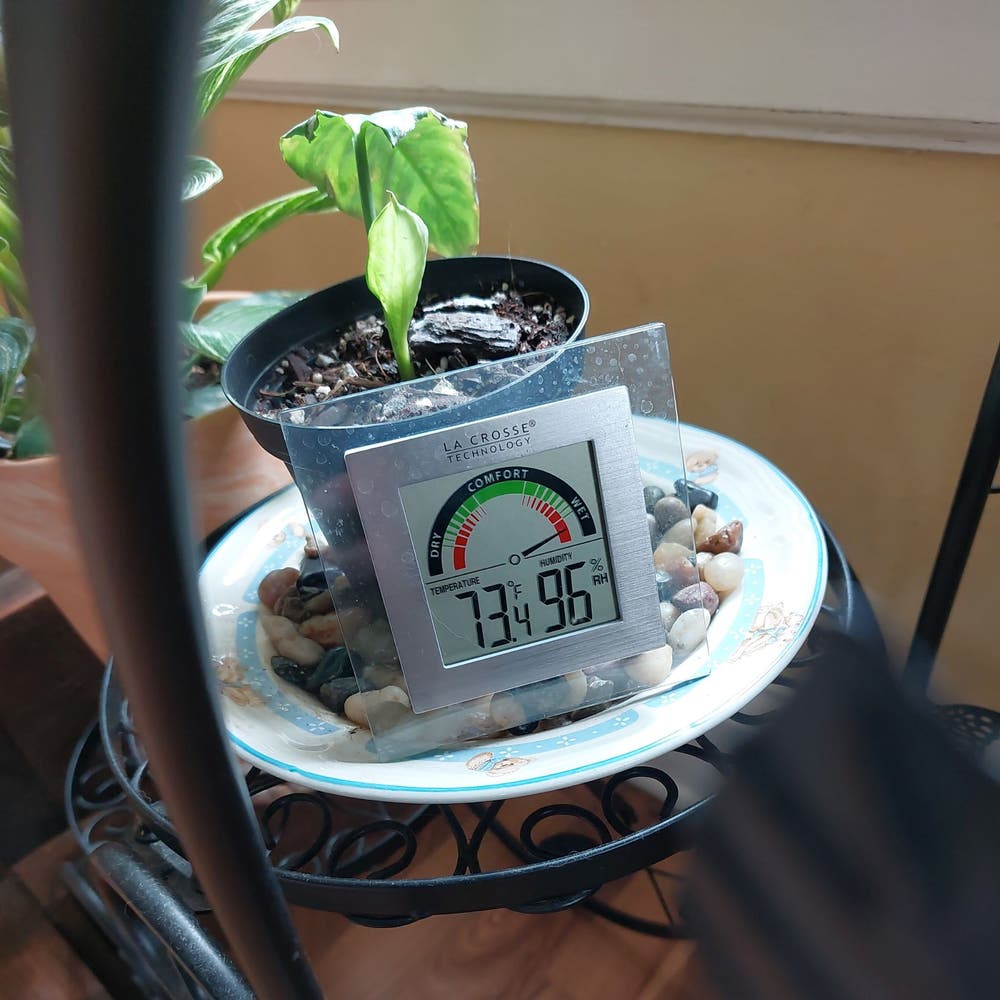
When leaves curl tighter than a rolled yoga mat, it's a cry for humidity. These plants dream of tropical climates. Boost moisture in the air with a humidifier or by clustering plants together. Aim for that 40%-60% humidity sweet spot to keep your green buddy from throwing a curling tantrum.
Unwanted Guests: Tackling Pests and Diseases
🐜 Bug Off: Keeping Pests at Bay
Vigilance is your first line of defense. Regular plant check-ups can reveal the early stages of an invasion. Spider mites leave a fine webbing, while aphids might cause yellowing leaves and a sticky mess.
To evict these pests, start with insecticidal soap or neem oil. These treatments are less harsh than chemical pesticides and can be quite effective. For a more hands-off approach, consider recruiting ladybugs or lacewings; they're like the bouncers of the bug world, keeping the riff-raff out of your plant's personal space.
🍄 Fungal Foes: When Diseases Take Hold
Fungal infections often announce themselves with spots on leaves or a general look of despair in your plant. If you spot these symptoms, it's time to act. Prune affected areas to stop the spread.
For more serious cases, a fungicide might be your best bet. But remember, prevention is key—ensure good air circulation and avoid overwatering to keep your plant's immune system fighting fit. Keep the surrounding area clean to reduce the risk of disease, and consider copper-based fungicides for an organic solution. Always follow the label to the letter to avoid collateral damage to your green buddy.
Water Woes: Striking the Right Balance
🌊 The Perils of Drowning Roots
Overwatering is like giving your plant a bath when it just needs a sip. Yellow leaves and a soggy soil feel scream 'too much love'. To avoid waterlogged roots, wait until the top inch of soil is dry before reaching for the watering can.
Drainage holes are non-negotiable; they're the escape route for excess water. If you're cursed with heavy hands, consider a well-draining soil mix to save your plant from a swampy grave.
🏜️ The Thirsty Plant Conundrum
Underwatering turns your Schismatoglottis into a sad, wilted mess. Dry, crispy leaves and soil that crumbles like a cookie are distress signals. Don't wait for your plant to look like it's been through a drought; check the soil moisture regularly.
To keep your plant happily hydrated, schedule waterings based on the dryness of the soil, not the day of the week. A consistent yet adaptable routine is key—like checking your phone, but for plant thirst.
Leaf CPR: Reviving Your Plant
🚑 Immediate Interventions
When your Schismatoglottis 'Thailand' starts to throw a leafy fit, act swiftly. If the leaves are curling, they're telling you they're not happy. Snip off any severely damaged leaves to redirect the plant's energy to the healthy foliage. Check the soil moisture; if it's parched, water the plant thoroughly but make sure not to flood it. Conversely, if the soil feels like a swamp, hold off on the water to let it dry out.
💪 Long-Term Care for Lasting Health
For the long haul, your plant needs a routine as regular as your morning coffee. Regularly inspect the plant for early signs of distress. Adjust care with the changing seasons—your plant's needs will vary throughout the year. Fertilize with a balanced, water-soluble fertilizer, but remember that less is more; overfeeding can lead to nutrient burn. Your goal is to prevent future curl-ups, not to create a fertilizer dependency.
⚠️ Safety First
This content is for general information and may contain errors, omissions, or outdated details. It is not medical, veterinary advice, or an endorsement of therapeutic claims.
Always consult a qualified healthcare professional before using any plant as food, medicine, or supplement.
Never eat any plant (or feed one to pets) without confirming its identity with at least two trusted sources.
If you suspect poisoning, call Poison Control (800) 222-1222, the Pet Poison Helpline (800) 213-6680, or your local emergency service immediately.
Spotted an error? Please report it here.
Banish those curling leaves and keep your Schismatoglottis 'Thailand' thriving 🌿 with Greg's personalized care reminders and environmental monitoring.