Best Potting Soil Mix for Schismatoglottis 'Thailand'
Schismatoglottis 'Thailand'
By the Greg Editorial Team
Mar 19, 2024•3 min read
This article was created with the help of AI so we can cover more plants for you. May contain errors. See one? Report it here.
- Mold signals too much moisture: Let soil dry out and improve airflow.
- Ideal mix: Peat moss, perlite, pine bark for moisture, aeration, and nutrients.
- Inspect and refresh soil annually or when plant growth slows.
Spotting Trouble: When Your Schismatoglottis 'Thailand' Says "No" to the Soil
🚨 Signs of Soil Distress in Schismatoglottis 'Thailand'
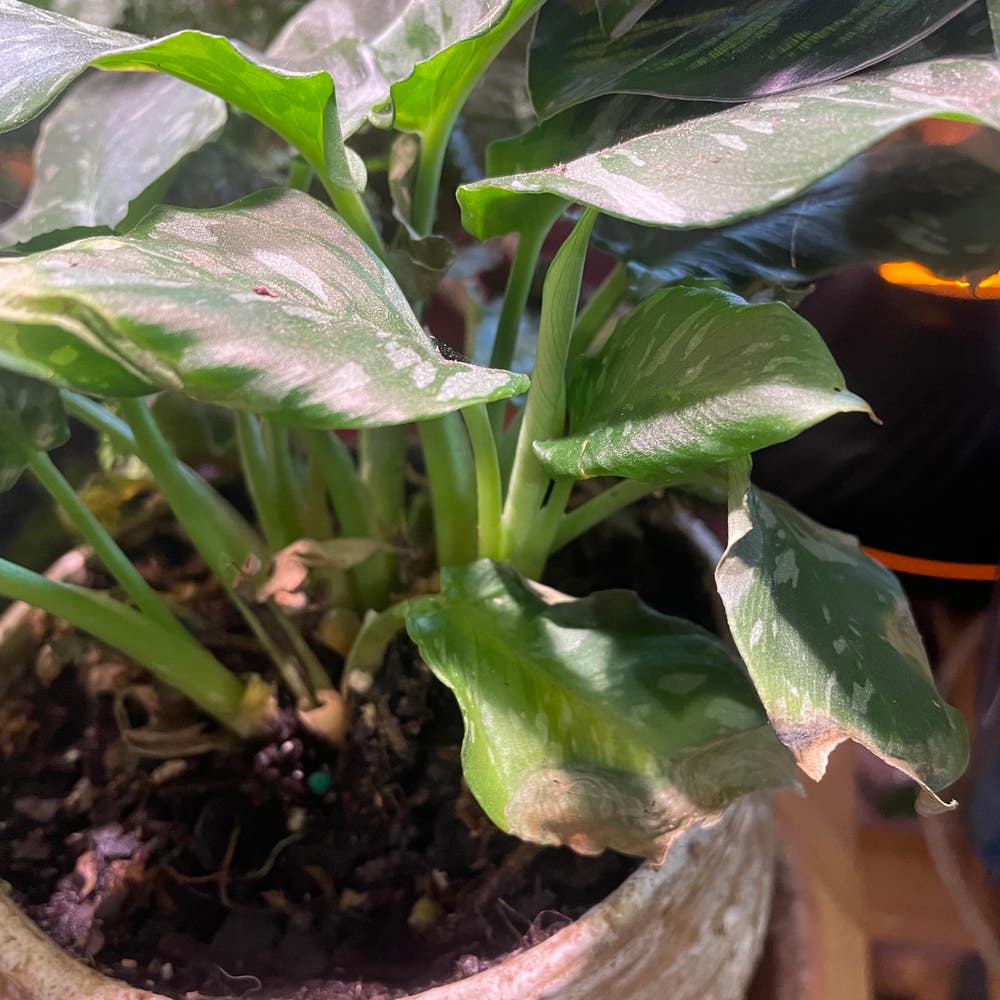
Mold on your Schismatoglottis 'Thailand' soil isn't a design feature—it's a crisis alert. This fuzzy intruder signals too much moisture and not enough air flow. And if your soil reeks, that's your plant's S.O.S. Compacted soil? It's like a crowded elevator for roots—no room to breathe or grow.
Turning the Soil Ship Around
Banishing mold is straightforward—let the soil dry out more between waterings and improve air circulation. If you're dealing with soil denser than a philosophy textbook, it's time to mix in some perlite or coarse sand. These tweaks are simple but transformative, ensuring your soil is the life of the party, not the party pooper.
Crafting the Perfect Potting Mix
🌱 The Building Blocks of Schismatoglottis 'Thailand' Bliss
Peat moss, perlite, and pine bark are the trifecta for Schismatoglottis 'Thailand' potting mix. Peat moss retains moisture, crucial for this plant's hydration. Perlite, the unsung hero, provides aeration and drainage, preventing root rot. Pine bark adds texture and a smidge of nutrients, fostering a robust root system.
Getting the balance right is more art than science. A good starting point is one part peat moss, one part perlite, and one part pine bark. This mix ensures moisture retention, aeration, and a steady supply of nutrients.
🏡 The Homemade Touch: Your DIY Soil Mix
Mixing it up is simple. Start with equal parts of peat moss, perlite, and pine bark. Ensure the mix is uniform; you want every scoop to support your plant's life like a well-rounded meal.
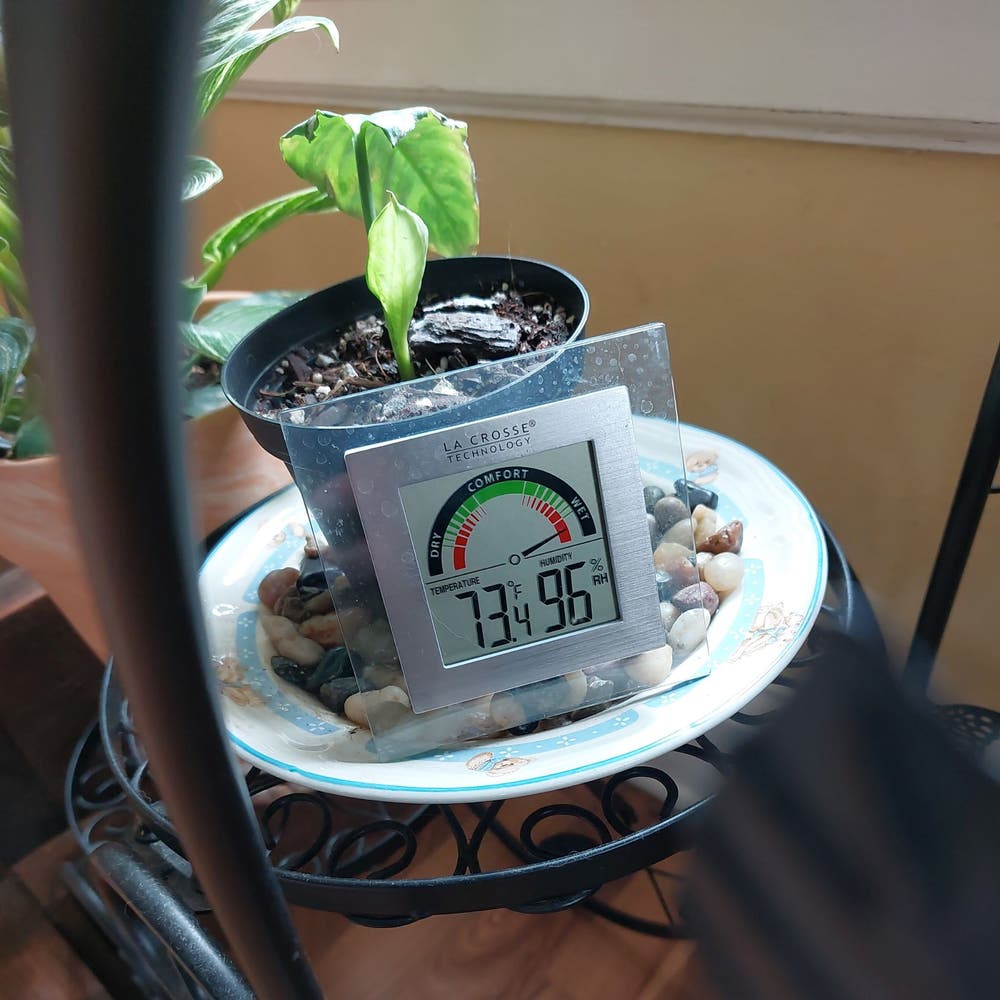
Tailoring the mix to your environment is key. If you're in a humid area, cut back on the peat moss. In drier conditions, let the peat moss dominate. It's about reading your plant's needs like a mood ring.
Remember, your Schismatoglottis 'Thailand' is a living thing, not a static decoration. Its soil is its home, its buffet, its comfort zone. Treat the crafting of this mix as you would a bespoke suit—measured, cut, and sewn to fit perfectly.
Soil Mix Maintenance: Keeping It Fresh and Functional
🌱 Routine Check-ups for Your Potting Mix
Regular soil inspections are crucial for a jubilant Schismatoglottis 'Thailand'. Monthly, peek into the potting mix's world; it should not be a scene from a horror movie. If it's clumpy or has a whiff of decay, it's time to act. Aerate the soil gently with a stick to prevent compaction and promote breathability for the roots.
🔄 When to Refresh and When to Revamp Your Schismatoglottis 'Thailand' Soil
Refresh the soil mix annually, or when you notice your plant's growth hitting the brakes. It's like hitting the refresh button on a sluggish computer—it can work wonders. If the roots are staging a breakout through the drainage holes, or if watering your plant is like pouring water into a colander, it's time for a complete overhaul. Consider repotting every 2-3 years to provide fresh nutrients and space for expansion.
⚠️ Safety First
This content is for general information and may contain errors, omissions, or outdated details. It is not medical, veterinary advice, or an endorsement of therapeutic claims.
Always consult a qualified healthcare professional before using any plant as food, medicine, or supplement.
Never eat any plant (or feed one to pets) without confirming its identity with at least two trusted sources.
If you suspect poisoning, call Poison Control (800) 222-1222, the Pet Poison Helpline (800) 213-6680, or your local emergency service immediately.
Spotted an error? Please report it here.
Craft the ideal home for your Schismatoglottis 'Thailand' with a custom potting mix 🌱 and let Greg's reminders keep your green friend perfectly pampered.