🌺 8 Ways to Boost Your Indoor Schismatoglottis 'Thailand'
Schismatoglottis 'Thailand'
By the Greg Editorial Team
Sep 30, 2024•5 min read
This article was created with the help of AI so we can cover more plants for you. May contain errors. See one? Report it here.
- 🌞 Bright, indirect sunlight is essential; low light hinders Schismatoglottis growth.
- 💧 Water every 1-2 weeks, allowing soil to dry out to prevent root rot.
- 🌬️ Maintain humidity between 60-80% to avoid leaf curling and browning.
Light Requirements
Ideal indoor light levels 🌞
For your Schismatoglottis 'Thailand', the best light conditions are bright, indirect sunlight. While it can survive in low light, it won't thrive, so aim for that sweet spot of brightness.
Role of grow lights in indoor care 💡
During winter months, supplemental lighting becomes crucial. Grow lights help maintain consistent growth, ensuring your plant stays vibrant even when natural light is scarce.
Choosing the best grow light 🛠️
When selecting grow lights, you have options like LED and fluorescent. Full spectrum lights are recommended for optimal growth, mimicking natural sunlight.
Placement tips
Position your grow lights 12-24 inches above the plant. This distance helps prevent leaf burn while providing adequate light for healthy growth.
With the right light conditions and grow lights, your Schismatoglottis 'Thailand' will flourish. Next, let’s dive into its watering needs to keep it hydrated and happy.
Watering Needs
Frequency and Method 🌊
To keep your Schismatoglottis 'Thailand' thriving, stick to a watering schedule of every 1-2 weeks. Make sure to let the top inch of soil dry out between waterings to prevent soggy roots.
Water thoroughly until you see it draining from the bottom of the pot. This ensures the roots get the moisture they need without sitting in excess water.
Signs of Overwatering and Underwatering 🚨
Watch for yellowing leaves, which can indicate overwatering. Root rot is another serious consequence, so keep an eye on your plant's health.
On the flip side, if you notice wilting leaves or dry soil, it’s a sign your plant is thirsty. Adjust your watering routine accordingly to keep your indoor garden flourishing.
By mastering the watering needs of your Schismatoglottis, you set the stage for vibrant growth and lush foliage. Next, let’s dive into the humidity and temperature requirements to create the perfect environment for your plant.
Humidity and Temperature
💧 Humidity Control
For your Schismatoglottis 'Thailand' to thrive, aim for humidity levels between 60-80%. When humidity dips too low, you might notice leaf curling and browning, signaling that your plant is not happy.
🌡️ Temperature Range
This tropical beauty prefers a cozy temperature range of 20°C to 30°C (68°F to 86°F). Be mindful of temperature fluctuations; avoid placing your plant in drafty areas or near sudden heat sources.
🌿 Maintaining Humidity Levels
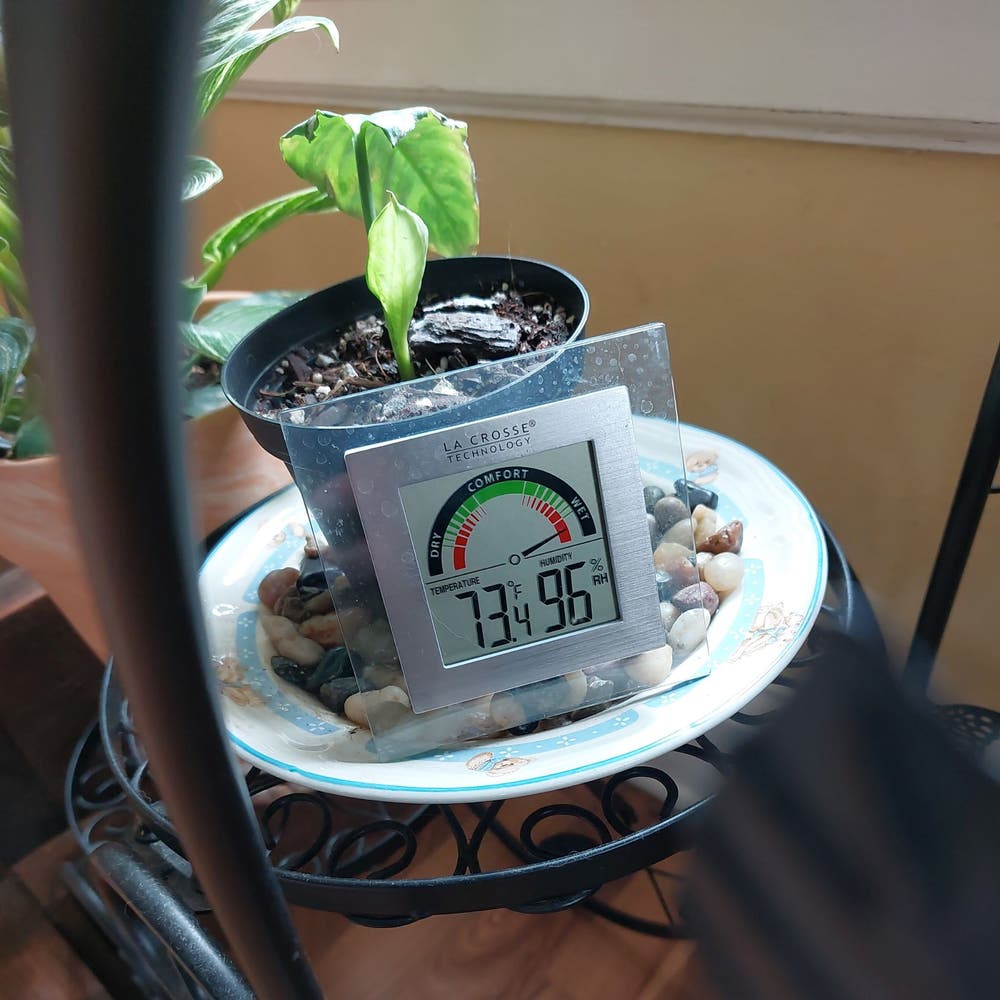
To boost humidity, consider using humidifiers, pebble trays, or simply grouping your plants together. These methods create a mini-ecosystem that benefits all your greenery.
For accurate humidity readings, invest in a hygrometer. Monitoring your indoor climate ensures your Schismatoglottis stays healthy and vibrant.
As you create the perfect environment for your plant, remember that consistent care leads to lush growth. Next, let’s explore the best soil and fertilization practices to keep your plant thriving.
Soil and Fertilization
Best Soil Type 🌱
For your Schismatoglottis 'Thailand', a well-draining potting mix rich in organic matter is essential. This type of soil not only supports healthy root development but also prevents waterlogging.
The ideal pH level for this plant ranges from slightly acidic to neutral, specifically between 6.0 and 7.0. Keeping the pH within this range ensures that your plant can absorb nutrients effectively.
Fertilization Schedule 🗓️
Fertilizing your plant monthly during the growing season—spring and summer—will promote robust growth. This regular feeding helps replenish nutrients that the plant uses up.
When it comes to fertilizers, opt for a balanced liquid fertilizer or slow-release granules. Both options provide the necessary nutrients without overwhelming your plant.
By following these soil and fertilization tips, you’ll set your Schismatoglottis 'Thailand' up for success. Next, let's explore common issues and solutions to keep your plant thriving.
Common Issues and Solutions
🐞 Pest Prevention
Indoor Schismatoglottis 'Thailand' can attract common pests like spider mites, aphids, and mealybugs. Regular inspections are crucial; check the undersides of leaves and around the soil for any signs of these intruders.
To keep pests at bay, maintain humidity levels and consider using insecticidal soap as a preventive measure. A little vigilance goes a long way in ensuring your plant stays healthy and thriving.
🔍 Troubleshooting Indoor Plant Problems
If you notice yellowing, browning, or curling leaves, it’s time to investigate. These symptoms often indicate issues with watering, light exposure, or humidity levels.
Adjust your care routine accordingly. For instance, if the leaves are yellowing, you might be overwatering; conversely, curling leaves could signal underwatering or insufficient light.
✂️ Maintaining Plant Appearance and Health
Regular pruning is essential for keeping your Schismatoglottis looking its best. Remove any dead or yellowing leaves to promote new growth and enhance the plant's overall appearance.
Additionally, don’t forget to clean the leaves! Wiping them with a damp cloth removes dust and allows your plant to photosynthesize more effectively. A little TLC can make a big difference in your plant's health.
By addressing these common issues, you can ensure your indoor Schismatoglottis 'Thailand' remains vibrant and healthy. Next, let’s explore the best practices for plant placement to maximize its growth potential.
Plant Placement Tips
Ideal Locations 🌅
For your Schismatoglottis 'Thailand', the best spots are near east or west-facing windows. These locations provide the bright, indirect sunlight that your plant craves.
Avoid extremes by keeping your plant away from direct sunlight and cold drafts. This helps prevent stress and ensures your plant remains healthy and vibrant.
Indoor Gardening Considerations 🌿
Grouping your Schismatoglottis with other tropical plants can enhance humidity levels. This creates a mini-ecosystem that benefits all your plants.
Don't forget to rotate your plant periodically. This encourages even growth and helps prevent it from leaning toward the light source.
By following these placement tips, you can create an ideal environment for your indoor Schismatoglottis, setting the stage for thriving growth. Next, let’s dive into the watering needs to keep your plant hydrated and happy.
⚠️ Safety First
This content is for general information and may contain errors, omissions, or outdated details. It is not medical, veterinary advice, or an endorsement of therapeutic claims.
Always consult a qualified healthcare professional before using any plant as food, medicine, or supplement.
Never eat any plant (or feed one to pets) without confirming its identity with at least two trusted sources.
If you suspect poisoning, call Poison Control (800) 222-1222, the Pet Poison Helpline (800) 213-6680, or your local emergency service immediately.
Spotted an error? Please report it here.
Elevate your Schismatoglottis 'Thailand' care with Greg's personalized reminders 🌿 to keep your plant thriving in the perfect light, humidity, and watering routine!