Ultimate Guide to Potting Schismatoglottis 'Thailand' 🌸
Schismatoglottis 'Thailand'
By the Greg Editorial Team
Sep 30, 2024•6 min read
This article was created with the help of AI so we can cover more plants for you. May contain errors. See one? Report it here.
- 🌱 Choose the right pot size: 4-14 inches ensures healthy growth stages for Schismatoglottis 'Thailand'.
- 💧 Drainage is crucial: At least 3-4 holes prevent root rot and promote plant health.
- 🪴 Material matters: Clay, plastic, or biodegradable pots impact moisture and root health significantly.
Pot Size Recommendations
Importance of Pot Size for Different Growth Stages 🌱
Choosing the right pot size is crucial for the healthy growth of Schismatoglottis 'Thailand'. Each growth stage requires a specific pot size to ensure optimal root development and overall plant health.
Juvenile Plants 🌿
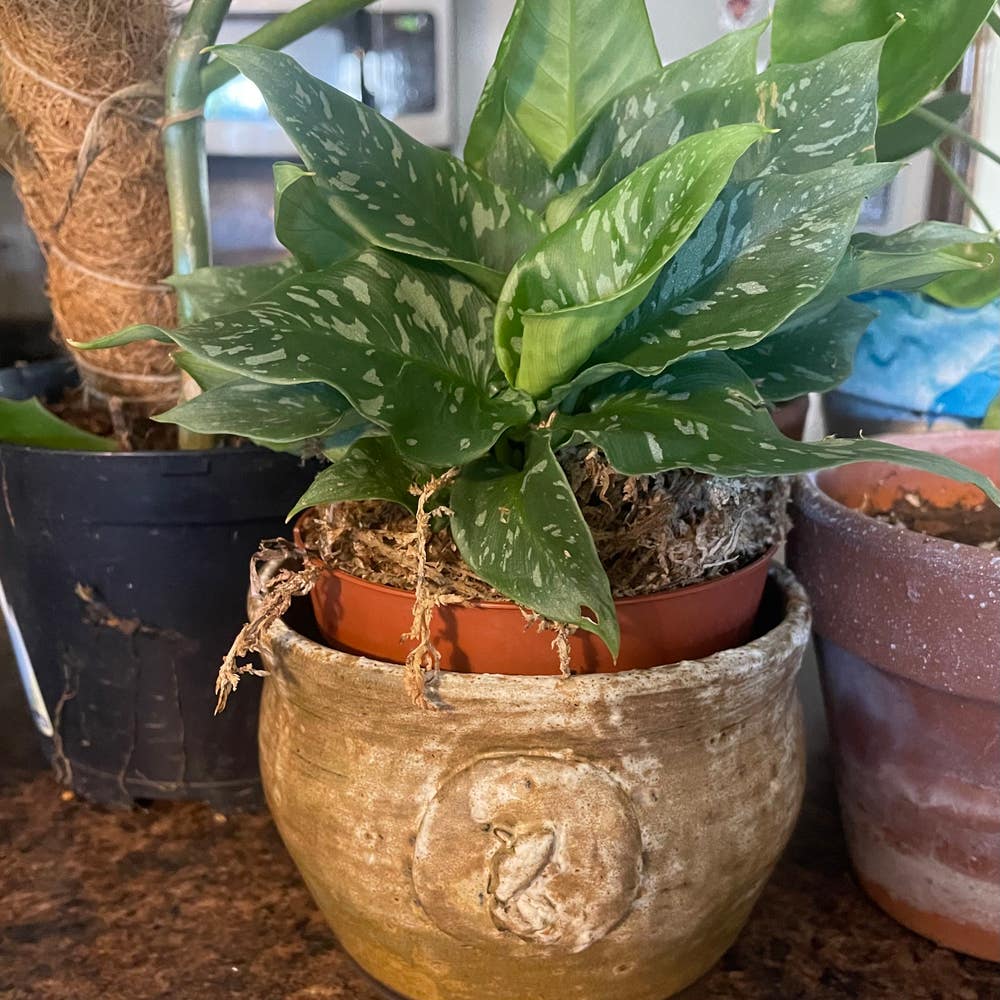
For juvenile plants, a pot size of 4-6 inches in diameter is recommended. This size allows roots to develop without excess soil, preventing issues like overwatering.
Young Adult Plants 🌳
As your plant matures, transition to a 6-10 inch diameter pot. This size provides ample space for expanding root systems, promoting robust growth.
Mature Plants 🌼
For mature plants, opt for a pot that is 10-14 inches in diameter. This larger size supports extensive root systems and contributes to the overall health of the plant.
Transitioning Between Sizes 🔄
Keep an eye on your plant for signs that it’s time to transition to a larger pot. Look for root-bound conditions, such as roots growing out of drainage holes, which indicate that your plant needs more space to thrive.
By understanding the pot size requirements for each growth stage, you can ensure that your Schismatoglottis 'Thailand' remains healthy and vibrant. Next, let’s explore the recommended pot materials that can enhance your plant’s growth experience.
Recommended Pot Materials
Pros and Cons of Different Materials 🌱
When it comes to potting Schismatoglottis 'Thailand', the choice of pot material can significantly impact plant health. Here’s a breakdown of the most common options.
Clay Pots
Clay pots are a favorite among many plant enthusiasts.
- Benefits: They are breathable, allowing air to circulate through the soil, which helps regulate moisture levels effectively.
- Drawbacks: However, they can be quite heavy and may crack under extreme temperature changes.
Plastic Pots
Plastic pots offer a more lightweight alternative.
- Benefits: They retain moisture longer, making them ideal for those who may forget to water regularly.
- Drawbacks: On the downside, they are less breathable, which can lead to overwatering if not monitored closely.
Other Materials
There are also other materials worth considering.
- Ceramic Pots: These pots are aesthetically pleasing and retain moisture well, but they can be heavy and less portable.
- Biodegradable Options: Eco-friendly and suitable for temporary use, these pots are great for those looking to minimize their environmental impact.
Choosing the right pot material is crucial for the health of your Schismatoglottis 'Thailand'. Each option has its unique benefits and drawbacks, so consider your specific needs and environment.
As you weigh your options, remember that the right pot can make all the difference in your plant's growth and vitality. Next, let’s dive into the importance of drainage considerations for your potted plants.
Drainage Considerations
Importance of Drainage Holes 🌊
Proper drainage is crucial for the health of your Schismatoglottis 'Thailand'. Without adequate drainage holes, water can accumulate, leading to root rot and other issues.
To prevent this, ensure your pot has a minimum of 3-4 holes, each at least 1/2 inch in diameter. This setup allows excess water to escape, keeping the roots happy and healthy.
Best Practices for Ensuring Proper Drainage 🛠️
Using a well-draining potting mix is essential. A blend of perlite, orchid bark, and peat moss works wonders for promoting airflow and moisture control.
Elevating your pots can also enhance drainage. Consider using pot feet or trays to create airflow beneath the pot, which helps prevent water from pooling.
Regularly check your drainage holes to ensure they remain unobstructed. This simple step can make a significant difference in maintaining optimal water flow.
By following these best practices, you can create a thriving environment for your Schismatoglottis 'Thailand'. Proper drainage is not just a detail; it’s a foundation for your plant's success.
Next, let’s explore the signs that indicate it’s time to repot your plant for continued growth and health.
Repotting Guidelines
🌱 Signs That It's Time to Repot
Recognizing when to repot your Schismatoglottis 'Thailand' is crucial for its health. Look for roots growing out of the drainage holes; this is a clear sign your plant is root-bound.
Another indicator is stunted growth. If your plant seems to be thriving but isn't putting on new leaves, it might be time for a new home.
Soil condition also matters. Compacted soil that retains too much moisture can suffocate roots, leading to further issues.
🛠️ Step-by-Step Guide to Repotting Schismatoglottis 'Thailand'
Repotting can seem daunting, but it’s a straightforward process. Follow these steps to ensure your plant thrives in its new pot.
Prepare the new pot: Make sure it has adequate drainage holes to prevent water accumulation.
Remove the plant from the old pot: Gently loosen the soil around the edges to avoid damaging the roots.
Inspect the roots: Trim any dead or rotting roots to promote healthy growth.
Place the plant in the new pot: Center it properly and fill with fresh potting mix, ensuring it’s snug but not too tight.
Water thoroughly: Give it a good soak, ensuring the soil is evenly moist but not waterlogged.
By following these steps, you’ll set your Schismatoglottis 'Thailand' up for success in its new environment. Next, let’s explore common mistakes to avoid during the potting process.
Common Mistakes in Potting
🪴 Overpotting vs. Underpotting
Overpotting can be a sneaky trap for plant enthusiasts. When you use a pot that's too large, excess soil can retain too much moisture, leading to root rot.
On the flip side, underpotting restricts root growth. If your Schismatoglottis 'Thailand' is cramped, it may stunt its growth and overall vitality.
🚰 Ignoring Drainage Needs
Neglecting drainage is a critical error that can have dire consequences. Poor drainage can lead to root rot, yellowing leaves, and an overall decline in plant health.
To keep your plant thriving, ensure that your pot has adequate drainage holes. This simple step can save you from a lot of heartache.
🧱 Choosing the Wrong Material for the Environment
Selecting the right pot material is essential for your plant's success. Humidity plays a significant role for Schismatoglottis 'Thailand'; breathable materials can help manage moisture levels.
Additionally, consider temperature fluctuations. Some materials may not withstand extreme conditions, affecting your plant's health. Choose wisely to create a nurturing environment for your greenery.
As you pot your Schismatoglottis 'Thailand', keep these common mistakes in mind. They can make all the difference in your plant's journey to thriving health. Next, let’s explore the best practices for ensuring proper drainage.
⚠️ Safety First
This content is for general information and may contain errors, omissions, or outdated details. It is not medical, veterinary advice, or an endorsement of therapeutic claims.
Always consult a qualified healthcare professional before using any plant as food, medicine, or supplement.
Never eat any plant (or feed one to pets) without confirming its identity with at least two trusted sources.
If you suspect poisoning, call Poison Control (800) 222-1222, the Pet Poison Helpline (800) 213-6680, or your local emergency service immediately.
Spotted an error? Please report it here.
Unlock your Schismatoglottis 'Thailand's full potential by choosing the right pot size and material, and let Greg guide you with personalized tips and reminders for thriving plants! 🌿