Should I Repot My Schismatoglottis 'Thailand'?
Schismatoglottis 'Thailand'
By the Greg Editorial Team
Mar 19, 2024•4 min read
This article was created with the help of AI so we can cover more plants for you. May contain errors. See one? Report it here.
- 🌱 Root-bound signs? Time to repot—look for circling roots and drainage hole escapes.
- 📏 Choose a pot 1-2 inches larger—ensures room to grow without waterlogging.
- 💧 Adjust watering post-repotting—let top inch of soil dry out first.
Spotting the Tell-Tale Signs for Repotting
🌱 Root Tango: When Roots Out-Dance the Pot
Root-bound plants are like tenants crammed into a studio apartment. If you see roots circling the soil surface or making a jailbreak through the drainage holes, it's time for a repot.
🌿 Above the Soil: Spotting Stunted Growth and Other Visual Cues
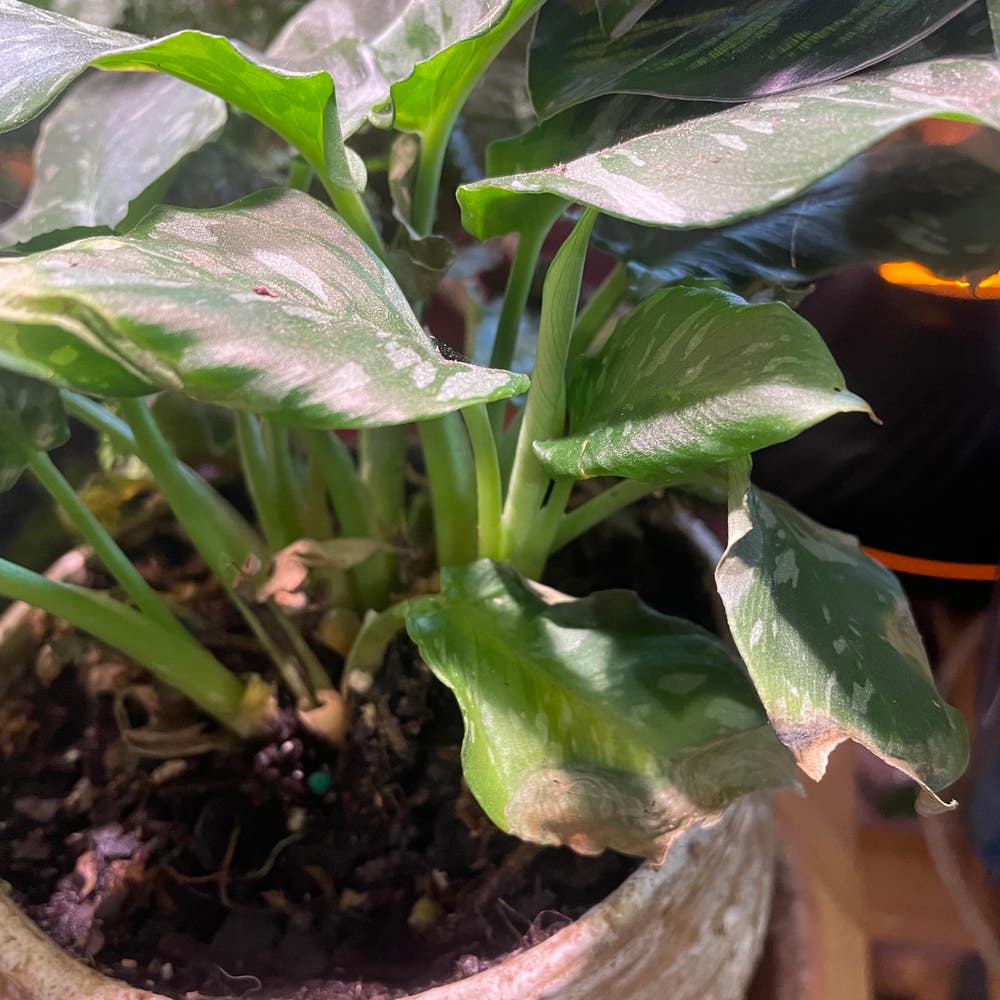
Yellowing leaves and stunted growth are your plant's way of saying, "I'm feeling claustrophobic." These above-soil indicators are as telling as an empty fridge—your Schismatoglottis 'Thailand' needs more than what its current pot can offer.
The Repotting Rundown
🌱 Prepping for the Big Move
Timing is crucial when repotting your Schismatoglottis 'Thailand'. Spring or early summer offers the best conditions for your plant to recover and thrive. Clear a workspace that's tidy and spacious, laying down newspapers or a tarp to catch any stray soil. Have your tools at the ready: gloves, a trowel, and a new pot.
🌿 Gently removing your plant: techniques to minimize stress
Approach the uprooting process with a gentle hand. If the plant seems snug, coax it out by tipping and lightly squeezing the pot. Once free, cradle the root ball and brush away old soil. Inspect the roots for any signs of distress, trimming away only the necessary parts.
🏺 Pot and Mix Mastery
Selecting the right potting mix is non-negotiable. Your Schismatoglottis 'Thailand' will appreciate a well-draining, airy substrate. A blend of peat, perlite, and pine bark often hits the mark.
🌱 The importance of pot size and how to upsize correctly
Upsizing should be modest; a pot only a couple of inches wider than the last is ideal. Too large, and you risk waterlogging; too small, and you'll be back at square one before you know it. Ensure the new pot has adequate drainage holes to prevent soggy roots.
Picking the Perfect Pot
🌱 Material Matters: Balancing Breathability and Moisture
Terracotta pots are the breathable champions for your Schismatoglottis 'Thailand', letting air and moisture pass through their walls. They're like the cool uncle who's always got a story and a breeze about him. But, they can be a heavyweight in the pot world, so consider your shelf strength and your back before committing.
Plastic pots are the lightweights, keeping moisture locked in tight. They're perfect for the forgetful waterers but can turn into a swampy mess if you're too generous with the H2O. A drainage hole is a must to avoid an accidental plant pool party.
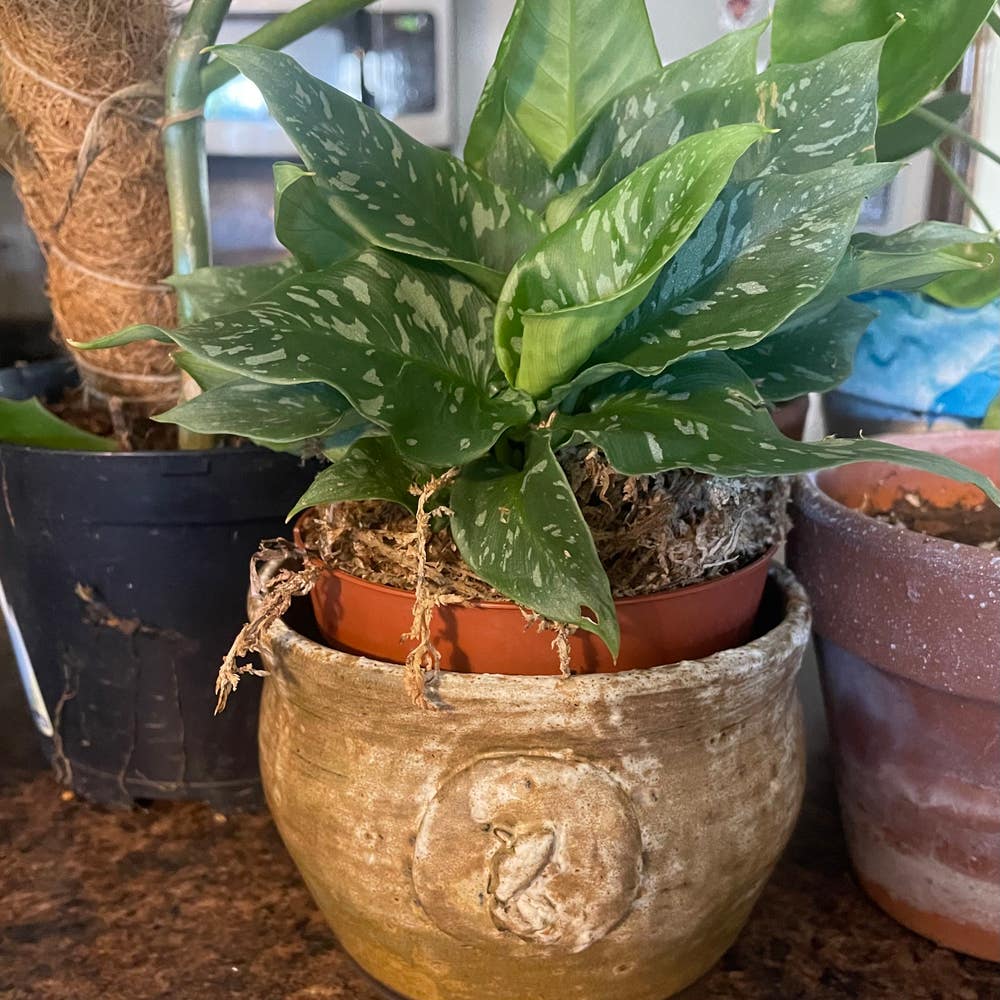
Ceramic pots hit the sweet spot, offering a bit of breathability with a side of style. They're the all-rounders, but they come with a price tag and can be as heavy as your last Amazon order. Ensure they have drainage holes to prevent a root-soaking disaster.
📏 Size It Up: Finding the Goldilocks Zone
Choosing a pot that's too big is like throwing a small fish into the ocean; it's easy to get lost and a bit too much to handle. Too small, and your plant's roots will be begging for a stretch. Aim for a pot that's 1-2 inches larger in diameter than the current one to give your plant room to grow without drowning in soil.
Remember, the right pot size is crucial. Too snug, and your plant will be cramped; too spacious, and you risk waterlogging. It's like finding the perfect apartment; it needs to be just right for a comfortable living. Keep an eye out for pots that allow for growth but don't leave your plant swimming in excess soil.
Post-Repotting Care: The First Few Weeks
💧 Watering Wisely After the Shift
After repotting your Schismatoglottis 'Thailand', adjusting your watering routine is crucial. Initially, give your plant a thorough watering to help it settle in its new abode. Then, play it cool and let the top inch of soil dry out before the next watering session. Overwatering is a no-go; soggy soil is the nemesis of healthy roots.
👀 Spotting Stress and Settling In
Keep a sharp eye on your Schismatoglottis 'Thailand' for signs of a smooth transition. New growth is a thumbs-up, indicating your plant is getting comfortable. Yellowing leaves or a droopy demeanor? Red flags. These might suggest your plant is in distress, possibly needing less light or a tweak in watering. If your plant's leaves are as lackluster as a deflated balloon, consider dialing back on the direct sunlight. No one wants a sun-scorched Schismatoglottis.
Pest patrol is also in order. If you spot any uninvited guests, it's time to show them the door with a gentle insecticidal soap. Remember, patience is key; your plant won't bounce back overnight, but with consistent care, it'll be strutting its stuff again soon enough.
⚠️ Safety First
This content is for general information and may contain errors, omissions, or outdated details. It is not medical, veterinary advice, or an endorsement of therapeutic claims.
Always consult a qualified healthcare professional before using any plant as food, medicine, or supplement.
Never eat any plant (or feed one to pets) without confirming its identity with at least two trusted sources.
If you suspect poisoning, call Poison Control (800) 222-1222, the Pet Poison Helpline (800) 213-6680, or your local emergency service immediately.
Spotted an error? Please report it here.
Ensure your Schismatoglottis 'Thailand' thrives in its new pot with repotting reminders 🌱 from Greg, tailored to its growth and your home environment.