🌱 5 Secret Schismatoglottis 'Thailand' Landscaping Tricks
Schismatoglottis 'Thailand'
By the Greg Editorial Team
Sep 30, 2024•5 min read
This article was created with the help of AI so we can cover more plants for you. May contain errors. See one? Report it here.
- 🌳 Schismatoglottis thrives in shaded areas, perfect for cozy garden corners.
- 🌿 Create visual harmony by grouping plants in odd numbers and varying heights.
- 🏡 Ideal for urban spaces, these plants enhance patios and balconies with tropical flair.
Tropical Oasis Corner
Description of Placement 🌳
Creating a tropical oasis starts with choosing the right spot. A shaded corner of your garden is ideal, especially when positioned near larger trees or structures that provide indirect light.
Scale Considerations 📏
In small spaces, a few Schismatoglottis plants can transform a cozy nook into a lush retreat. For larger areas, grouping multiple plants will create a more dramatic and immersive effect.
Visual Impact 🎨
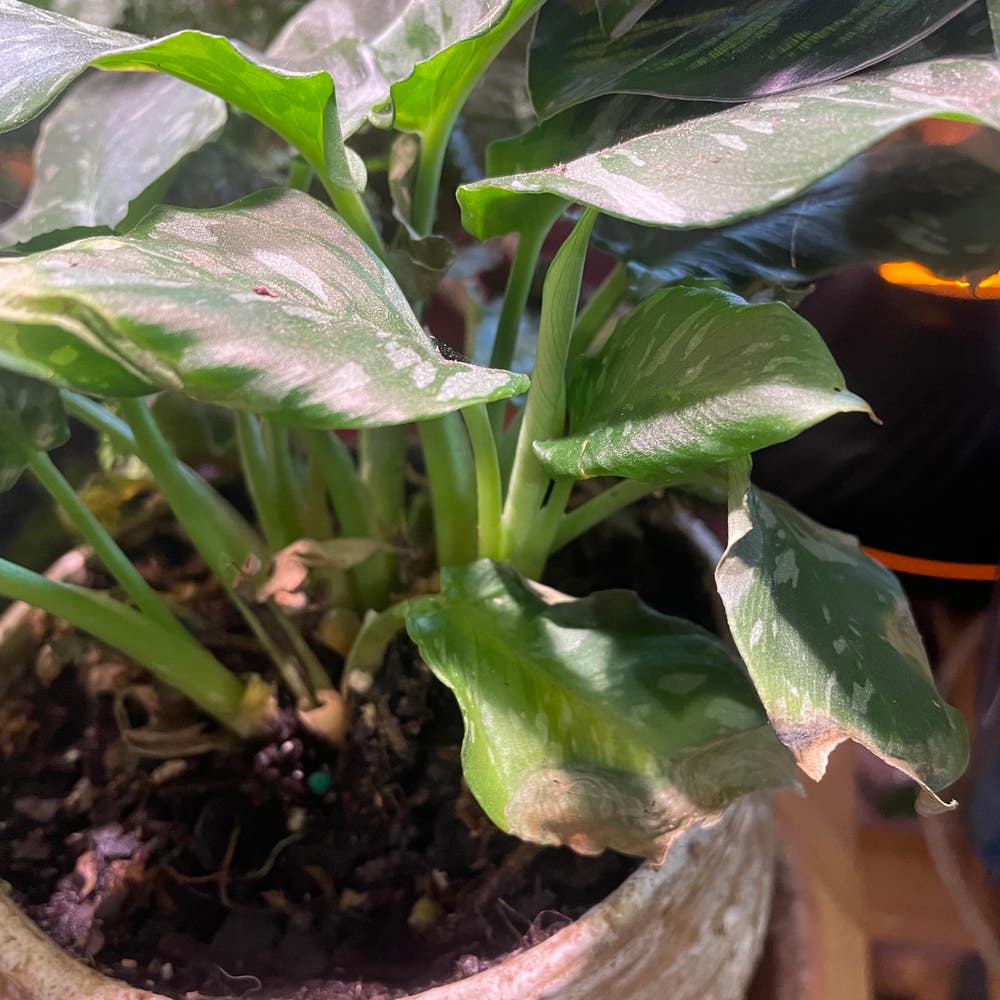
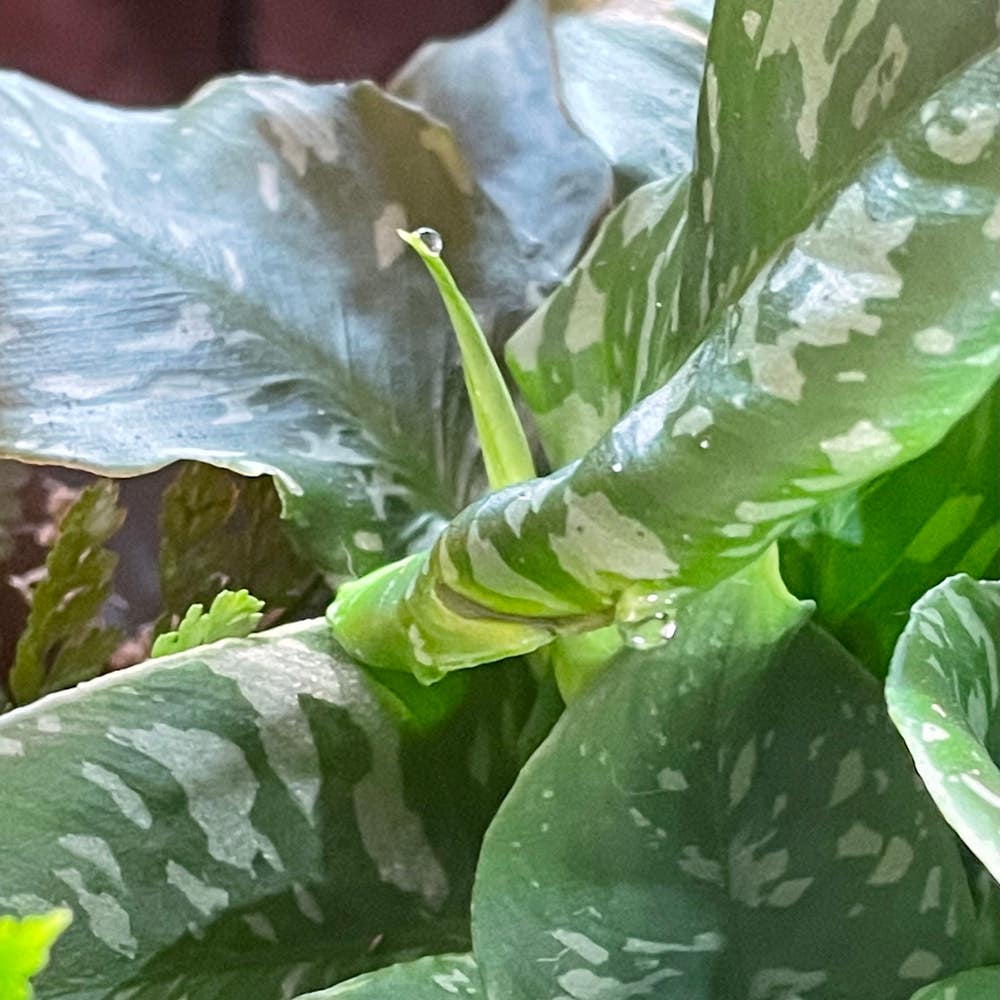
The dense foliage of Schismatoglottis serves as a vibrant green backdrop, enhancing your garden's overall aesthetic appeal. Its unique leaf patterns add an extra layer of visual interest that captivates the eye.
Adaptation for Different Garden Styles 🌿
In tropical gardens, pair Schismatoglottis with other tropical plants to create a cohesive look. For modern gardens, contrast its lushness with sleek stones or minimalist decor for a striking balance.
This approach not only beautifies your space but also invites a sense of tranquility, making it a perfect starting point for your landscaping journey.
Container Garden Delight
Implementation of Container Design 🌿
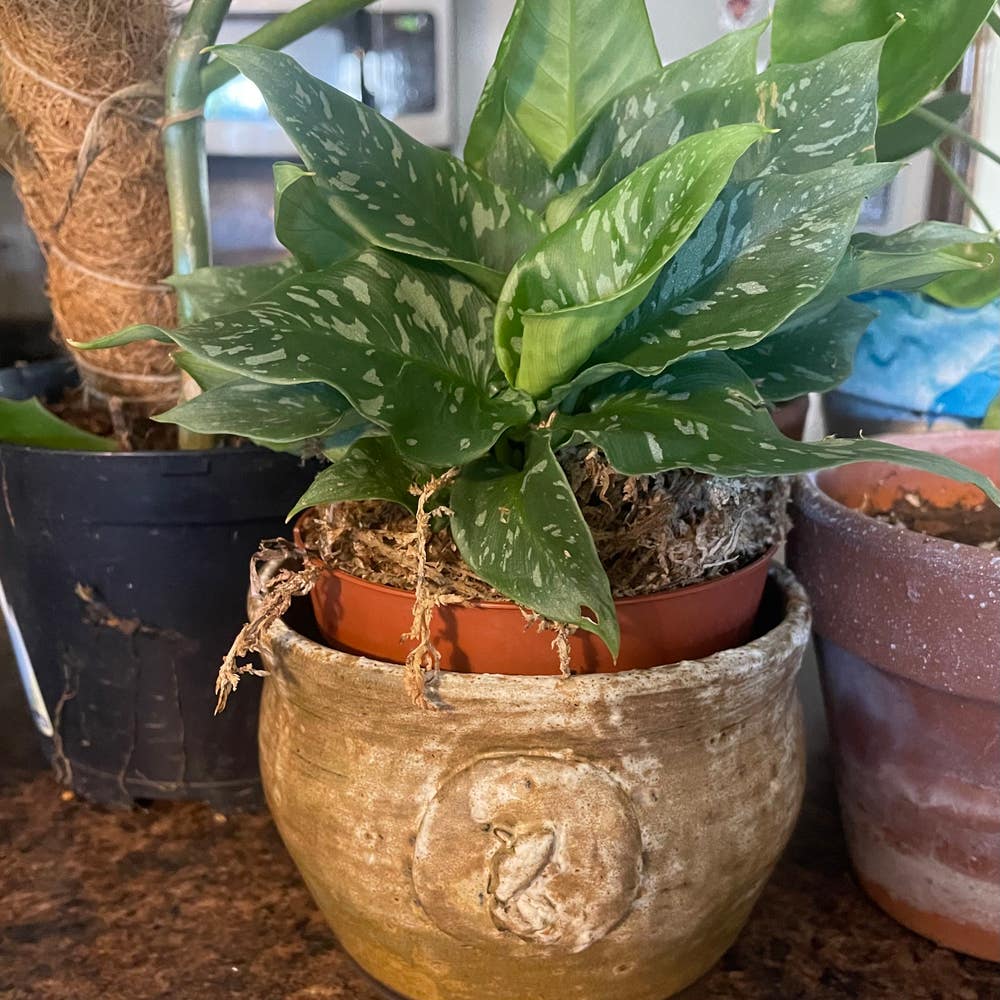
Showcase Schismatoglottis in decorative pots on your patio or balcony. Arranging them in clusters creates a dynamic and inviting look.
Suggestions for Container Sizes and Materials 🪴
For optimal growth, choose pots that are 10-14 inches in diameter. Terracotta, ceramic, or resin are excellent materials that combine durability with style.
Why Schismatoglottis Thrives in Containers 🌱
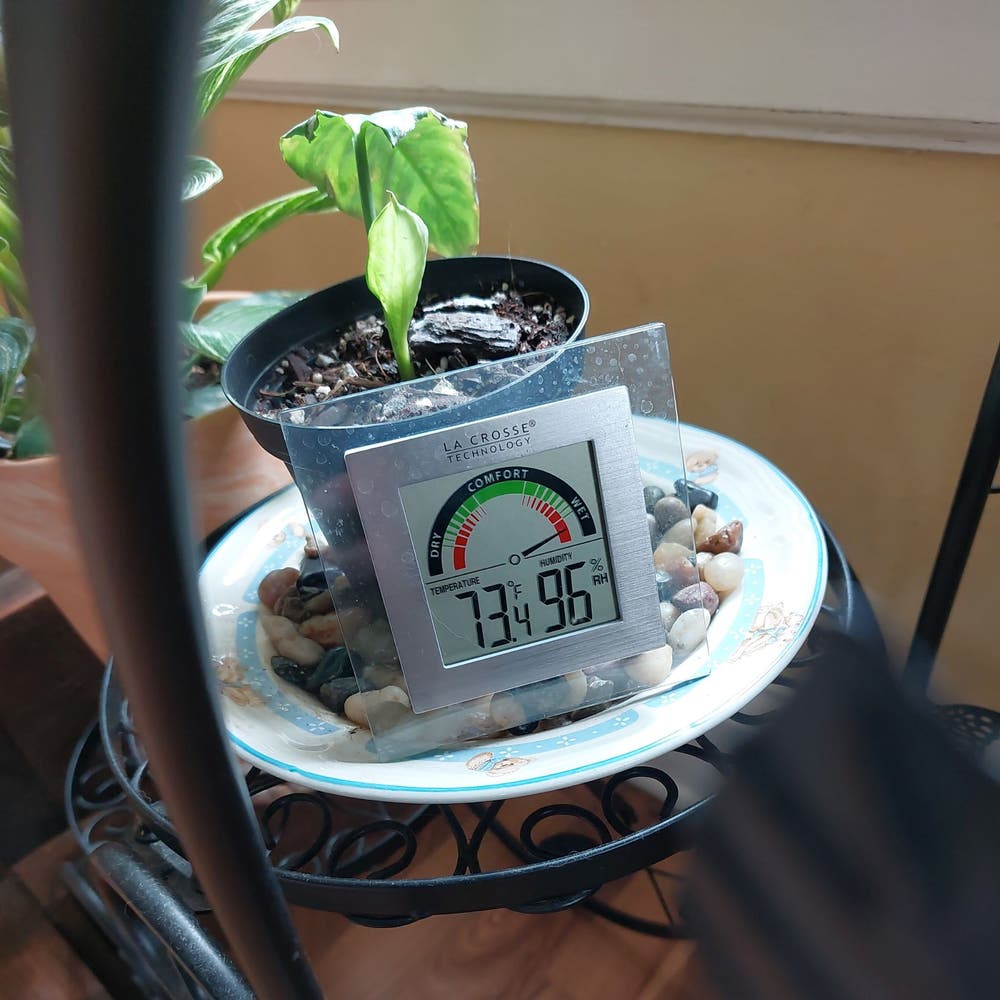
These plants flourish in containers due to excellent drainage and humidity control, mimicking their native environment. Plus, their portability allows you to move them for the best light exposure.
Adaptation for Urban Settings or Small Yards 🏙️
Schismatoglottis is perfect for small balconies or patios, enabling tropical landscaping even in limited spaces. Mixing them with other low-maintenance plants creates a cohesive and vibrant container design.
By incorporating these tips, you can transform your small outdoor areas into lush retreats. Next, let’s explore how to enhance your garden's energy flow with Feng Shui principles.
Feng Shui Flow
Placement Ideas 🌱
Positioning Schismatoglottis near entryways or pathways can significantly enhance energy flow in your garden. This strategic placement creates a welcoming atmosphere that promotes tranquility.
Scale and Arrangement for Visual Harmony 🎨
For a natural look, use odd numbers of plants in your arrangement. Grouping them at varying heights adds depth and visual interest.
Explanation of Feng Shui Principles 🌿
Schismatoglottis symbolizes growth and vitality, making it a perfect fit for feng shui practices. Its lush foliage not only beautifies your space but also fosters a sense of calm and well-being.
Adaptation for Various Garden Layouts 🏡
This versatile plant suits both formal and informal gardens. You can easily integrate it into existing designs, enhancing the flow between indoor and outdoor spaces.
By thoughtfully incorporating Schismatoglottis into your garden, you can create a harmonious environment that resonates with positive energy. Next, let’s explore how to create a stunning layered foliage display for added visual appeal.
Layered Foliage Display
🌿 Creating a Layered Look
To achieve a stunning layered look, combine Schismatoglottis with taller plants at the back and shorter ones in the front. This arrangement not only adds height but also creates a dynamic visual experience through contrasting foliage textures.
📏 Scale Considerations
It's crucial to ensure that taller plants do not overshadow the Schismatoglottis. Maintain balance by spacing plants appropriately, allowing each to shine without competing for attention.
🎨 Visual Impact
The layered effect results in a rich tapestry of colors and textures, elevating the garden's overall aesthetic appeal. This design approach invites the eye to explore, making your garden feel more inviting and vibrant.
🌱 Adaptation for Different Garden Sizes
In smaller gardens, opt for fewer layers to keep things simple and uncluttered. For larger spaces, consider creating multiple layers to add complexity and depth, transforming your garden into a lush retreat.
This layered foliage display not only enhances visual interest but also allows for creative expression in your landscaping. Next, let’s explore how to use Schismatoglottis as a pathway accent, adding charm and elegance to your garden paths.
Pathway Accent
🌿 Using Schismatoglottis to Line Garden Paths
Planting Schismatoglottis along your garden pathways creates a natural, inviting border. This approach works beautifully for both straight and curved paths, adding a touch of intrigue.
📏 Scale and Spacing for a Cohesive Look
For a seamless appearance, space your plants 1-2 feet apart. Adjust the spacing based on the width of your pathway to maintain a balanced look.
🎨 Why This Approach Enhances Aesthetic Appeal
This technique not only creates a welcoming atmosphere but also guides the eye along the path. The decorative foliage of Schismatoglottis adds elegance and charm to any garden design.
🛤️ Adaptation for Both Narrow and Wide Pathways
For narrow paths, consider using smaller containers or fewer plants to avoid overcrowding. In contrast, wide paths can benefit from larger groupings of Schismatoglottis for a bolder statement.
Incorporating Schismatoglottis into your garden pathways can elevate your landscaping game. Next, let’s explore how to create a layered foliage display for added depth and visual interest.
⚠️ Safety First
This content is for general information and may contain errors, omissions, or outdated details. It is not medical, veterinary advice, or an endorsement of therapeutic claims.
Always consult a qualified healthcare professional before using any plant as food, medicine, or supplement.
Never eat any plant (or feed one to pets) without confirming its identity with at least two trusted sources.
If you suspect poisoning, call Poison Control (800) 222-1222, the Pet Poison Helpline (800) 213-6680, or your local emergency service immediately.
Spotted an error? Please report it here.
Elevate your garden's charm with Schismatoglottis using these clever landscaping tricks, and let Greg provide tailored care reminders 🌱 to keep your tropical retreat thriving!