Reasons Why Your Schismatoglottis 'Thailand' Won't Flower
Schismatoglottis 'Thailand'
By the Greg Editorial Team
Sep 30, 2024•4 min read
This article was created with the help of AI so we can cover more plants for you. May contain errors. See one? Report it here.
- 🌞 Insufficient light prevents blooming; ensure 6 hours of bright, indirect light daily.
- 🌱 Nutrient deficiencies, especially phosphorus, hinder flowers; use balanced fertilizer every 4-6 weeks.
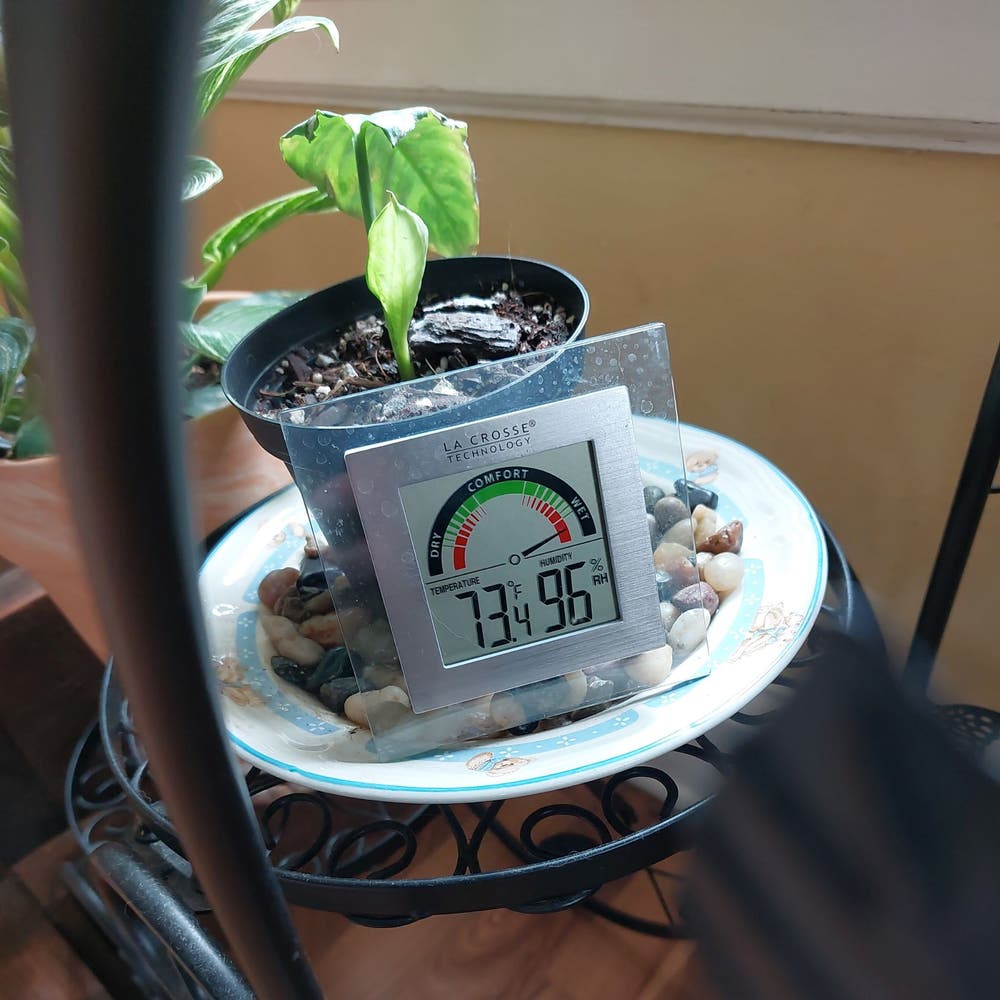
- 💧 Humidity levels between 60-80% are crucial for blooming; maintain consistent moisture.
Failure to Bloom
🌞 Potential Causes
Light
Insufficient light can significantly hinder the bloom cycle of your Schismatoglottis 'Thailand'. If your plant isn't getting enough bright, indirect light, it may simply refuse to flower.
Nutrition
A lack of essential nutrients can also affect flower development. Without the right balance, your plant may struggle to produce blooms.
Humidity
Low humidity levels can stress the plant, impacting its ability to flower. Maintaining the right humidity is crucial for a thriving Schismatoglottis.
💡 Solutions
Adjusting Light Exposure
To encourage blooming, provide bright, indirect light for at least 6 hours daily. If natural light is insufficient, consider using grow lights to supplement.
🍽️ Fertilization Tips
Use a balanced fertilizer high in phosphorus to promote blooming. Fertilize every 4-6 weeks during the growing season to ensure your plant gets the nutrients it needs.
By addressing these potential causes and implementing these solutions, you can help your Schismatoglottis 'Thailand' thrive and bloom beautifully. Next, let’s explore the issue of premature flower drop and how to tackle it effectively.
Premature Flower Drop
🌪️ Potential Causes
Premature flower drop in your Schismatoglottis 'Thailand' can be frustrating. One major culprit is environmental stress, where sudden changes in temperature or humidity can shock the plant, leading to bud drop.
Pests also play a significant role. Infestations, particularly from aphids or spider mites, can weaken the plant, causing flowers to fall before they bloom.
🐛 Solutions
🧼 Pest Management
To combat pests, make it a habit to regularly inspect your plant. Look for signs of aphids or spider mites, as early detection is key.
If you spot any pests, treat them promptly with insecticidal soap or neem oil. These options are effective and less harsh on your plant.
🌿 Environmental Adjustments
Maintaining stable humidity levels is crucial. Aim for a range of 60-80% humidity to keep your plant happy and thriving.
Additionally, be mindful of your plant's location. Avoid placing it near drafts or heat sources, as these can create an unstable environment that stresses the plant.
By addressing these potential causes and implementing these solutions, you can help your Schismatoglottis 'Thailand' flourish and reduce the chances of premature flower drop. Next, let’s explore abnormal flower development and how to tackle it effectively.
Abnormal Flower Development
🌱 Potential Causes
Abnormal flower development in your Schismatoglottis 'Thailand' can stem from a nutrient imbalance. Too much or too little of essential nutrients can lead to malformed flowers.
Another culprit could be pruning mistakes. Incorrectly timed or executed pruning can disrupt the plant's natural flowering cycle, leading to disappointing blooms.
💪 Solutions
Proper Fertilization 🌾
To encourage healthy flower development, ensure a balanced nutrient supply. Focus on potassium and phosphorus, as these are crucial for blooming.
Conducting soil tests can help identify specific nutrient needs. This way, you can tailor your fertilization strategy for optimal results.
✂️ Correct Pruning Techniques
Pruning should be done only after flowering to avoid disrupting the bloom cycle. This timing allows the plant to focus its energy on producing flowers.
Additionally, regularly remove dead or damaged leaves. This practice promotes healthy growth and can enhance the overall vitality of your plant.
By addressing these factors, you can significantly improve the chances of your Schismatoglottis 'Thailand' producing beautiful blooms. Next, let’s explore pest and disease management to further safeguard your plant's health.
Pest and Disease Management
🐞 Common Pests
Identifying pests is crucial for maintaining the health of your Schismatoglottis 'Thailand'.
Identification of Pests Affecting Flowers
- Aphids: These small, green insects suck sap from flowers, weakening the plant.
- Spider Mites: Tiny and web-spinning, these pests cause stippling on leaves, indicating damage.
🧪 Treatment Options for Pest Infestations
Managing pests effectively can save your plant from significant harm.
- Insecticidal Soap or Neem Oil: These treatments are effective for controlling infestations.
- Beneficial Insects: Introducing ladybugs can help manage pests naturally, providing a balanced ecosystem.
🌼 Diseases Impacting Flowering
Understanding diseases that affect flowering is just as important as pest management.
Common Diseases that Cause Flower Issues
- Root Rot: Overwatering leads to root rot, causing wilting and flower drop.
- Fungal Infections: These can create unsightly spots on flowers and leaves, detracting from their beauty.
🛡️ Prevention and Treatment Strategies
Proactive measures can prevent diseases from taking hold.
- Well-Draining Soil: Ensure your potting mix allows for proper drainage to prevent root rot.
- Fungicides: Apply as needed and maintain good air circulation around the plant to combat fungal issues.
By staying vigilant about pests and diseases, you can help your Schismatoglottis 'Thailand' thrive and bloom beautifully. Next, let’s explore how to address premature flower drop and its causes.
⚠️ Safety First
This content is for general information and may contain errors, omissions, or outdated details. It is not medical, veterinary advice, or an endorsement of therapeutic claims.
Always consult a qualified healthcare professional before using any plant as food, medicine, or supplement.
Never eat any plant (or feed one to pets) without confirming its identity with at least two trusted sources.
If you suspect poisoning, call Poison Control (800) 222-1222, the Pet Poison Helpline (800) 213-6680, or your local emergency service immediately.
Spotted an error? Please report it here.
Unlock your Schismatoglottis 'Thailand's blooming potential 🌸 by using Greg's tailored care reminders to ensure it gets the right light and nutrients for stunning flowers!