Why Are There Brown Spots on My Schismatoglottis 'Thailand'?
Schismatoglottis 'Thailand'
By the Greg Editorial Team
Mar 19, 2024•4 min read
This article was created with the help of AI so we can cover more plants for you. May contain errors. See one? Report it here.
- Brown spots signal stress or disease; proper care is crucial.
- Fungal vs. bacterial: Look for halos or water-soaked lesions.
- Prevent with care: Perfect watering, clean leaves, and balanced humidity.
Spotting the Trouble: Identifying Brown Spots on Your Plant
🌿 Visual Symptoms on Schismatoglottis 'Thailand'
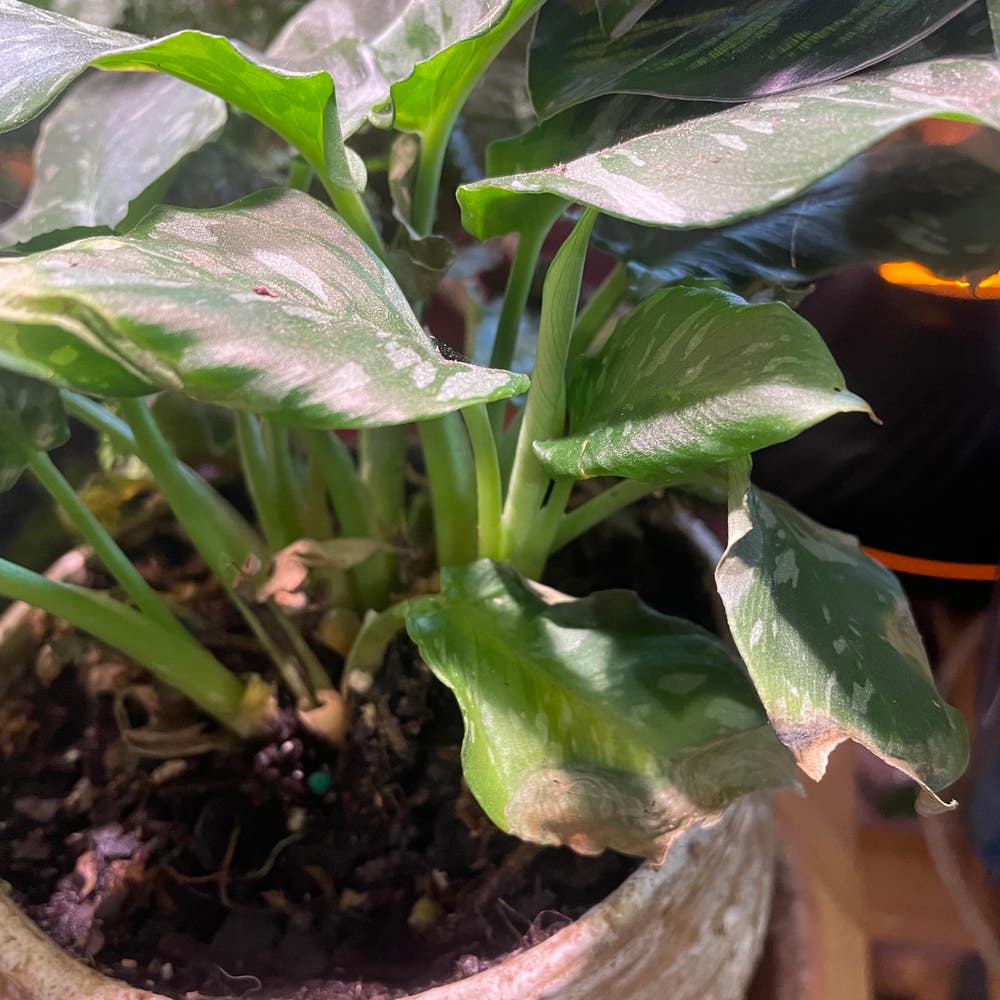
Brown spots on your Schismatoglottis 'Thailand' can be alarm bells for underlying issues. These spots might show up as small speckles or evolve into larger patches, with a range of hues from tan to dark brown. Texture is a giveaway; dry spots often suggest environmental stress, while mushy, dark areas could point to watering missteps or disease.
🦠 Common Culprits: Fungal vs. Bacterial
Fungal infections often parade around with a colorful halo, while bacterial issues might present as water-soaked lesions. If you notice a spot encircled by a yellow ring, it's time to play plant detective—this is a classic distress signal. Keep in mind, a sticky residue or the presence of pests could also be the troublemakers behind those unsightly spots.
Environmental Factors: Are You Stressing Your Plant Out?
💦 Water Woes: Over and Underwatering Effects
Overwatering turns your Schismatoglottis 'Thailand' into a soggy, sad spectacle, inviting a host of pathogens to the party. Roots suffocate, leaves spot, and your green dream becomes a brown nightmare. Conversely, underwatering leaves the plant parched, with leaves as crisp as autumn leaves. The key is to touch the soil; if it's dry below the surface, it's time to water.
💨 Airflow and Humidity: Finding the Balance
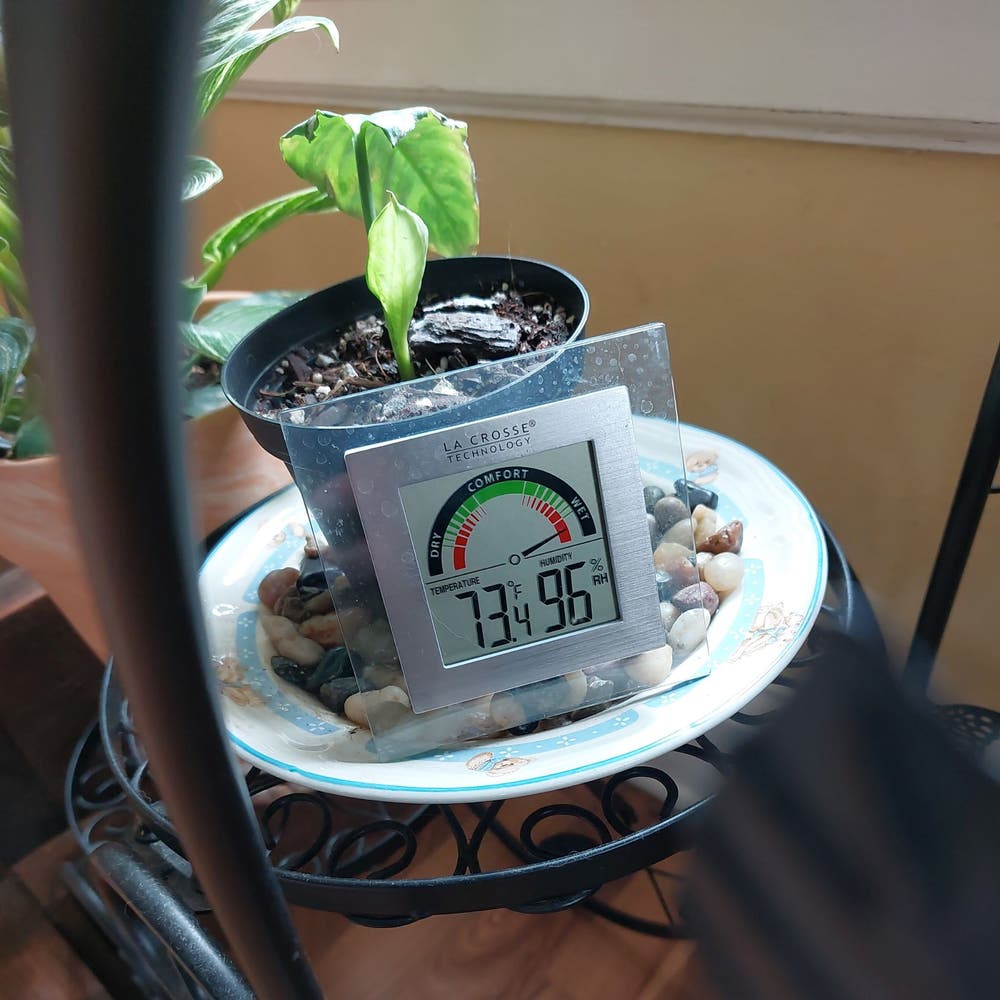
Humidity and airflow are the yin and yang of plant health. Too much moisture in the air, and you're brewing a fungal fiesta. Too little, and your plant's leaves desiccate, turning as brittle as an overcooked cookie. Ensure steady air circulation; it's like giving your plant a breath of fresh air. But don't create a wind tunnel – gentle movement is what you're aiming for. Keep humidity consistent, mimicking the plant's tropical comfort zone.
Battling the Brown: Treatment Tactics
🌿 Choosing the Right Fungicide or Bactericide
When brown spots mar the leaves of your Schismatoglottis 'Thailand', it's time to take action. Fungicides like potassium bicarbonate or a combination of tebuconazole with trifloxystrobin are your go-to options. Apply with a strategic mindset; overdoing it can cause more harm than good.
For bacterial battles, copper-based bactericides are akin to antibiotics for your plant. Precision is crucial—remove affected leaves with sterilized tools to halt the spread. Treat these chemical solutions as a last resort, and always follow the label meticulously.
🌱 Home Remedies and Natural Solutions
If you're leaning towards a gentler approach, natural remedies have your back. Hydrogen peroxide or cinnamon can be surprisingly effective for minor fungal issues. Remember, it's not just about slapping on a treatment; it's about fostering an environment hostile to pathogens.
For those feeling adventurous, biological control might be your cup of tea. Introducing beneficial insects can turn the tide by making a meal out of your plant's problems. It's a natural and eco-friendly way to keep pests in check.
Always rotate your fungicides, using different active ingredients to prevent resistance. And if you're dealing with pests, insecticidal soaps or neem oil can act as the bouncers at the club, keeping the unwanted guests out. In severe cases, though, don't hesitate to seek professional help.
Keeping It Green: Prevention Strategies
💧 Perfecting Your Watering Technique
Watering Schismatoglottis 'Thailand' is less about sticking to a schedule and more about reading the room—or pot. Check the soil before you water; it should be dry an inch down. When you do water, target the base like you're aiming for a bullseye. Keep the leaves as dry as a stand-up comedian's wit to avoid fungal fiestas. And remember, your watering can is not a shower head; no need to drench the foliage.
🍃 Cleanliness is Key: Leaf Maintenance
Dust and debris on your plant's leaves are like leaving dishes in the sink—it's just asking for trouble. Wipe the leaves gently with a damp cloth to keep them clean and efficient at photosynthesis, which is basically the plant's day job. And while you're at it, inspect the leaves like a hawk. If you spot a blemish, it's time for some leaf surgery—snip it off to prevent any spread of disease. Keep your tools sterilized; think of them as surgical instruments for your green patients.
⚠️ Safety First
This content is for general information and may contain errors, omissions, or outdated details. It is not medical, veterinary advice, or an endorsement of therapeutic claims.
Always consult a qualified healthcare professional before using any plant as food, medicine, or supplement.
Never eat any plant (or feed one to pets) without confirming its identity with at least two trusted sources.
If you suspect poisoning, call Poison Control (800) 222-1222, the Pet Poison Helpline (800) 213-6680, or your local emergency service immediately.
Spotted an error? Please report it here.
Keep your Schismatoglottis 'Thailand' spot-free 🍃 with Greg's environmental monitoring and precise watering reminders, ensuring your plant stays healthy and vibrant.