What Do I Do About Schismatoglottis 'Thailand' Root Rot?
Schismatoglottis 'Thailand'
By the Greg Editorial Team
Mar 19, 2024•3 min read
This article was created with the help of AI so we can cover more plants for you. May contain errors. See one? Report it here.
- 🍂 Yellow leaves and mushy roots signal Schismatoglottis 'Thailand' root rot.
- ✂️ Prune damaged roots, sterilize tools, and use hydrogen peroxide for disinfection.
- 💧🌬️ Adjust watering, improve soil drainage, and ensure good air circulation.
Spotting the Trouble: Signs of Root Rot in Your Schismatoglottis 'Thailand'
🚩 Visual Symptoms
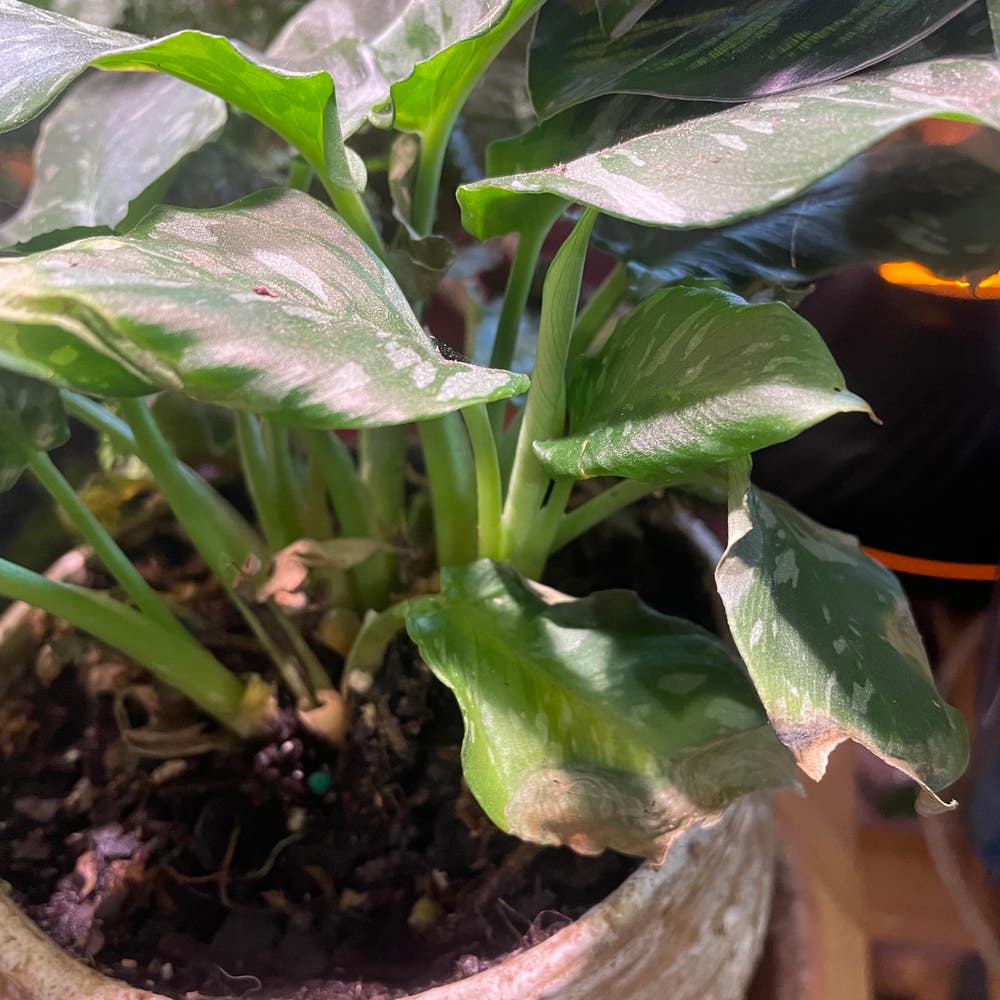
Yellowing leaves and a wilting spirit are red flags that your Schismatoglottis 'Thailand' is in distress. It's not just throwing a tantrum; it's likely crying out for help.
Inspect the roots for the truth. If they're more brown and squishy than firm and white, you've uncovered the root of your woes.
👃 Smell and Texture
A foul odor wafting from your plant's pot is the olfactory equivalent of a flashing neon sign that says "Root Rot Here!" If the roots feel like they've been through a blender, it's time to take action.
Mushy roots are a telltale sign; they should be firm, not reminiscent of overcooked noodles. If your plant's roots are falling apart in your hands, you're dealing with decay, not just a bad hair day.
First Aid for Your Plant: Immediate Steps to Address Root Rot
🌱 Pruning the Damage
Sterilize your pruning tools before you start—this isn't a suggestion, it's a commandment. Gently remove your Schismatoglottis 'Thailand' from its pot and shake off the excess soil. You're looking for roots that are firm and white; those are the keepers. Brown and mushy roots are the enemy; cut them out completely. It's like defusing a bomb, but the wires you're cutting are dead roots.
After the amputation, don't just leave your plant's wounds open. Clean the remaining roots with a mild hydrogen peroxide solution to disinfect and give them a fighting chance.
🌿 Changing the Environment
Immediately adjust your watering habits. If you've been treating your plant like a fish, stop. It's not aquatic. Let the soil dry out before you even think about watering again.
Next, ensure your soil isn't trapping water like a dam. Mix in some perlite or coarse sand to improve drainage and aeration. Your plant's roots need to breathe, not swim.
Lastly, don't suffocate your plant with love or a lack of air circulation. Keep the air moving with a fan or by placing it in a well-ventilated area. Fungi hate a breeze as much as a bad hair day.
Crafting the Perfect Home: Long-Term Care to Prevent Root Rot
💧 Watering Wisdom
Watering your Schismatoglottis 'Thailand' is less about sticking to a strict schedule and more about reading the room—or in this case, the soil. When the top inch feels like that forgotten dry sponge under the sink, it's time to water. Use a long-spouted watering can to avoid wet leaves; they're not a fan of moisture any more than you're a fan of soggy socks.
🌱 Soil and Pot Selection
Choosing the right soil mix is like picking a team for trivia night—you want a well-rounded group that brings something to the table. Aim for a mix that includes orchid bark for chunkiness, perlite for aeration, and worm castings for nutrients. Your pot is your plant's home, so make sure it has drainage holes. Terracotta pots are the breathable cotton tees of the plant world, letting roots breathe easy.
🌬 Keeping the Air Moving
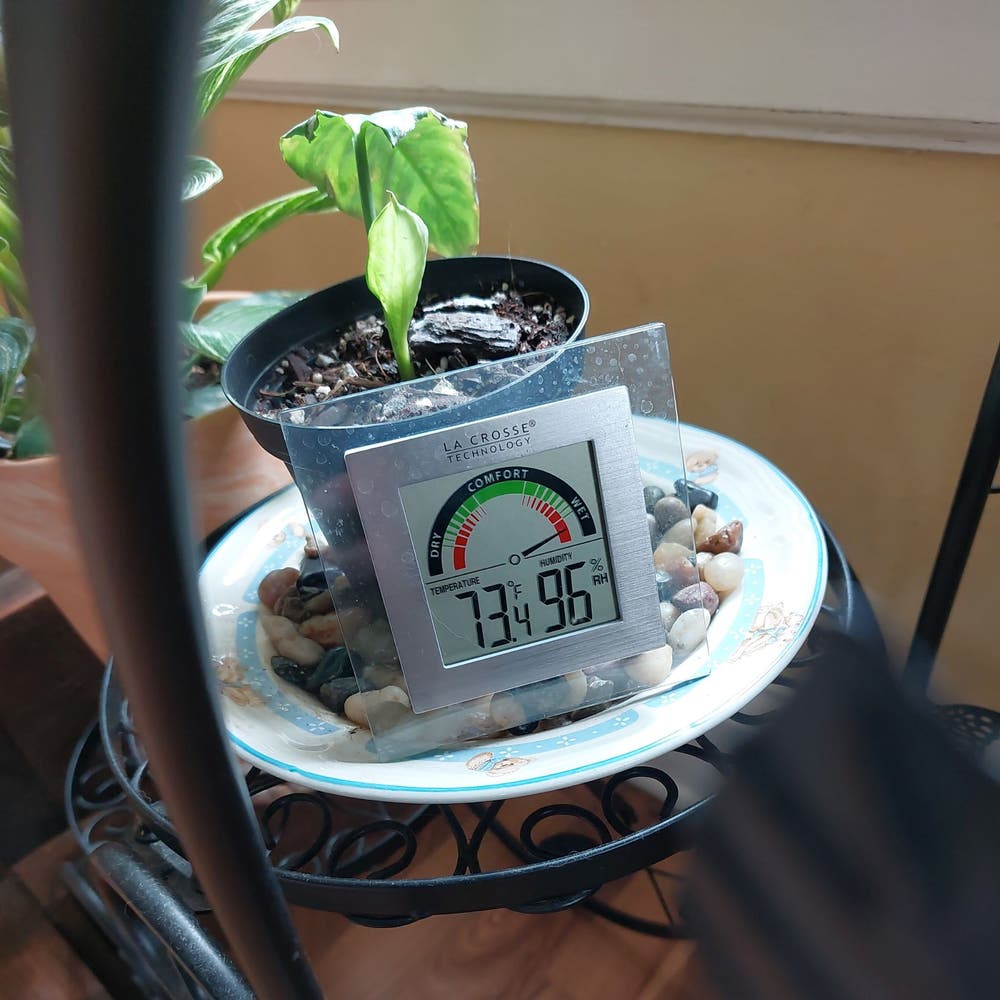
Think of good air flow like your plant's personal social bubble—it needs space to stay healthy. A stable environment with consistent temperature and humidity keeps root rot at bay. If you've got a fan, use it to simulate a breezy day at the park. It's not just about avoiding the bad; it's about promoting the good, giving your plant the luxury of fresh air.
⚠️ Safety First
This content is for general information and may contain errors, omissions, or outdated details. It is not medical, veterinary advice, or an endorsement of therapeutic claims.
Always consult a qualified healthcare professional before using any plant as food, medicine, or supplement.
Never eat any plant (or feed one to pets) without confirming its identity with at least two trusted sources.
If you suspect poisoning, call Poison Control (800) 222-1222, the Pet Poison Helpline (800) 213-6680, or your local emergency service immediately.
Spotted an error? Please report it here.
Nurture your Schismatoglottis 'Thailand' back to health 🌱 with Greg's custom care reminders, ensuring root rot is just a bump in your green journey.