Why Are My Schismatoglottis 'Thailand' Leaves Droopy?
Schismatoglottis 'Thailand'
By the Greg Editorial Team
Mar 19, 2024•3 min read
This article was created with the help of AI so we can cover more plants for you. May contain errors. See one? Report it here.
- Over/underwatering and light issues cause droopy Schismatoglottis 'Thailand' leaves.
- Temperature and humidity fluctuations stress plants, leading to droopiness.
- Proper watering, light, and stable environment are key to perky leaves.
Spotting the Signs of Droopy Leaves
🌿 Visual Clues
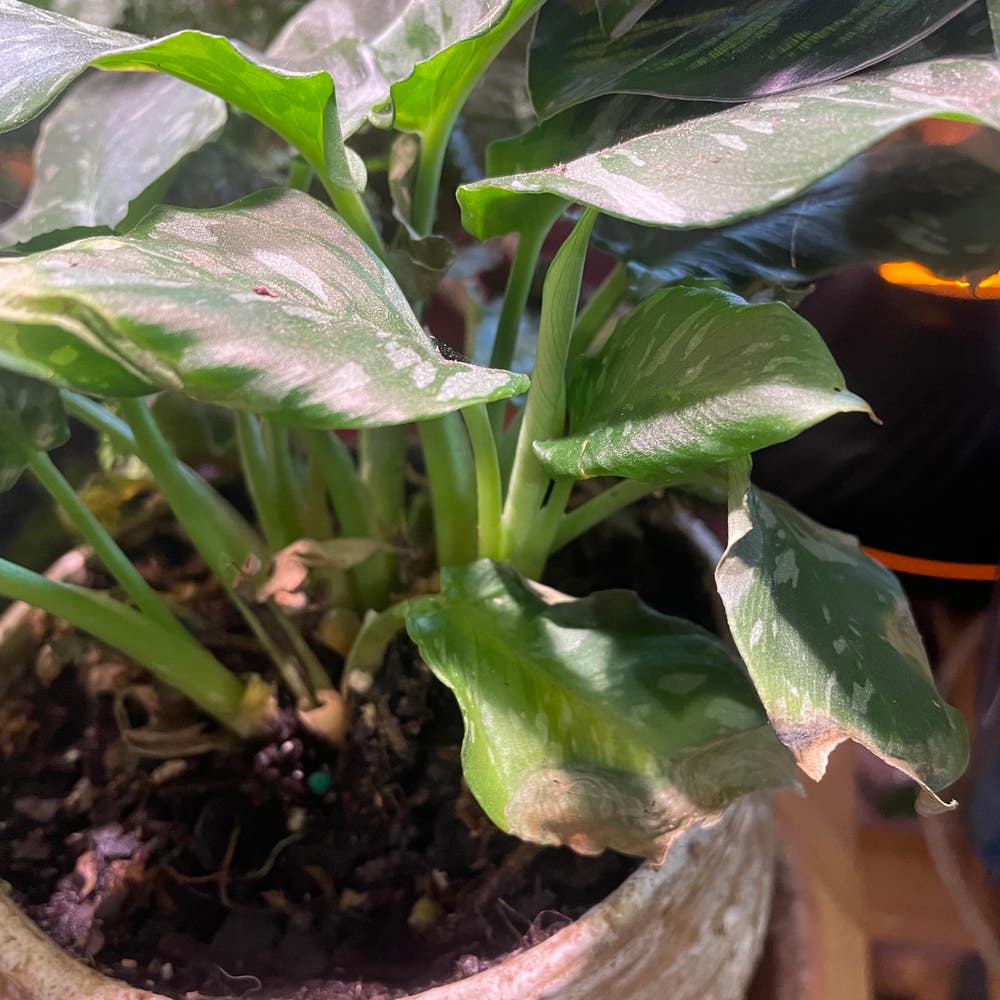
Droopy leaves on your Schismatoglottis 'Thailand' are like a distress signal; they're telling you something's up. Look for leaves that sag or bend, losing their usual perky posture. Yellowing, browning, or spotting are also tell-tale signs of trouble. A pale or faded green hue? That's your cue to get to work.
🕰 Timing and Progression
The droopiness can hit your plant fast or creep up slowly. Notice if leaves wilt more during the afternoon heat or perk up at night. A consistent droop points to a chronic issue, while a sudden change suggests a recent problem. Keep an eye on the speed of the droop—it's like a timer counting down to when you need to intervene.
Getting to the Root: Common Causes of Droopiness
💧 Too Much Water
Overwatering is a common misstep that can make Schismatoglottis 'Thailand' leaves droop like a disappointed parent. Soggy soil is a telltale sign; it should feel moist, not like a wet sponge. If the soil clings to your fingers with the enthusiasm of a toddler, it's time to cut back on the H2O.
💦 Not Enough Water
Conversely, underwatering can leave your plant looking more deflated than a punctured balloon. Dry soil that pulls away from the pot's edge is a cry for hydration. Yellowing leaves, especially at the base, are the plant's way of saying, "I'm thirsty!"
🌞 Light Levels: Finding the Sweet Spot
Lighting is like a tightrope walk for plant health. Too little light, and your Schismatoglottis 'Thailand' will stretch and slump in a sad attempt to catch some rays. Too much, and it's like a sunburn at a beach party—leaves get scorched. Aim for that sweet spot of bright, indirect light.
🌡️ The Impact of Temperature and Humidity
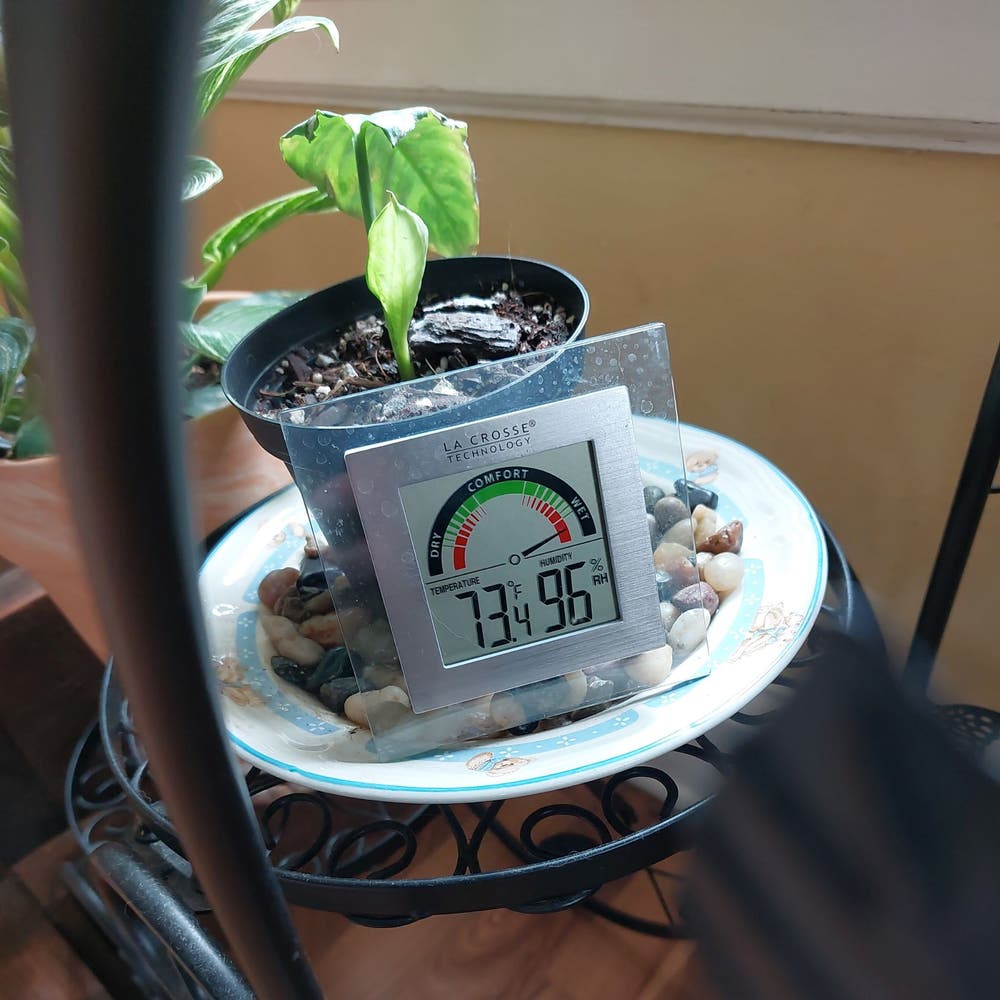
Temperature and humidity swings are to plants what pop quizzes are to students—stressful. Fluctuations can turn leaves droopy faster than a mood swing. Keep the environment as consistent as a favorite playlist, avoiding drafts and monitoring humidity to maintain that perfect 50-60% range.
Turning the Tide: Effective Solutions for Droopy Leaves
💧 Fine-Tuning Your Watering Technique
Watering is both an art and a science. To prevent droopy leaves, check the soil moisture before watering—stick your finger in the soil up to the second knuckle. If it's dry, it's time to water. Use room-temperature water to avoid shocking the plant's roots and always water at the base. Adjust your watering habits with the seasons; plants typically need less water in the cooler months.
🌞 Adjusting Light and Location
Light is like a plant's daily bread. Schismatoglottis 'Thailand' thrives in bright, indirect sunlight. If leaves are droopy, it might be craving more light. Move it closer to a window, but shield it from harsh direct rays that can scorch the foliage. Rotate your plant regularly to ensure even growth and prevent leaning.
🌡 Balancing Humidity and Temperature
Your plant doesn't just enjoy a stable environment—it depends on it. Aim for a humidity level between 40-60% to keep those leaves perky. If your indoor air is too dry, consider a humidifier or a pebble tray with water beneath the pot. Keep temperatures consistent, avoiding drafts and sudden temperature changes that can stress the plant and cause droopiness.
⚠️ Safety First
This content is for general information and may contain errors, omissions, or outdated details. It is not medical, veterinary advice, or an endorsement of therapeutic claims.
Always consult a qualified healthcare professional before using any plant as food, medicine, or supplement.
Never eat any plant (or feed one to pets) without confirming its identity with at least two trusted sources.
If you suspect poisoning, call Poison Control (800) 222-1222, the Pet Poison Helpline (800) 213-6680, or your local emergency service immediately.
Spotted an error? Please report it here.
Ensure your Schismatoglottis 'Thailand' stays upright and vibrant 🌿 with Greg's tailored care reminders that address water, light, and humidity needs.