How Can You Tell If A Schismatoglottis 'Thailand' Is Dying?
Schismatoglottis 'Thailand'
By the Greg Editorial Team
Mar 19, 2024•4 min read
This article was created with the help of AI so we can cover more plants for you. May contain errors. See one? Report it here.
- Wilting or discoloration means water or light issues; adjust care accordingly.
- Temperature range 65-78°F is crucial; avoid drafts and direct HVAC air.
- Combat pests and mold with natural predators, good airflow, and sunlight.
Spotting Trouble: What Your Schismatoglottis 'Thailand' Is Telling You
🥀 Wilting, Yellowing, or Browning Leaves
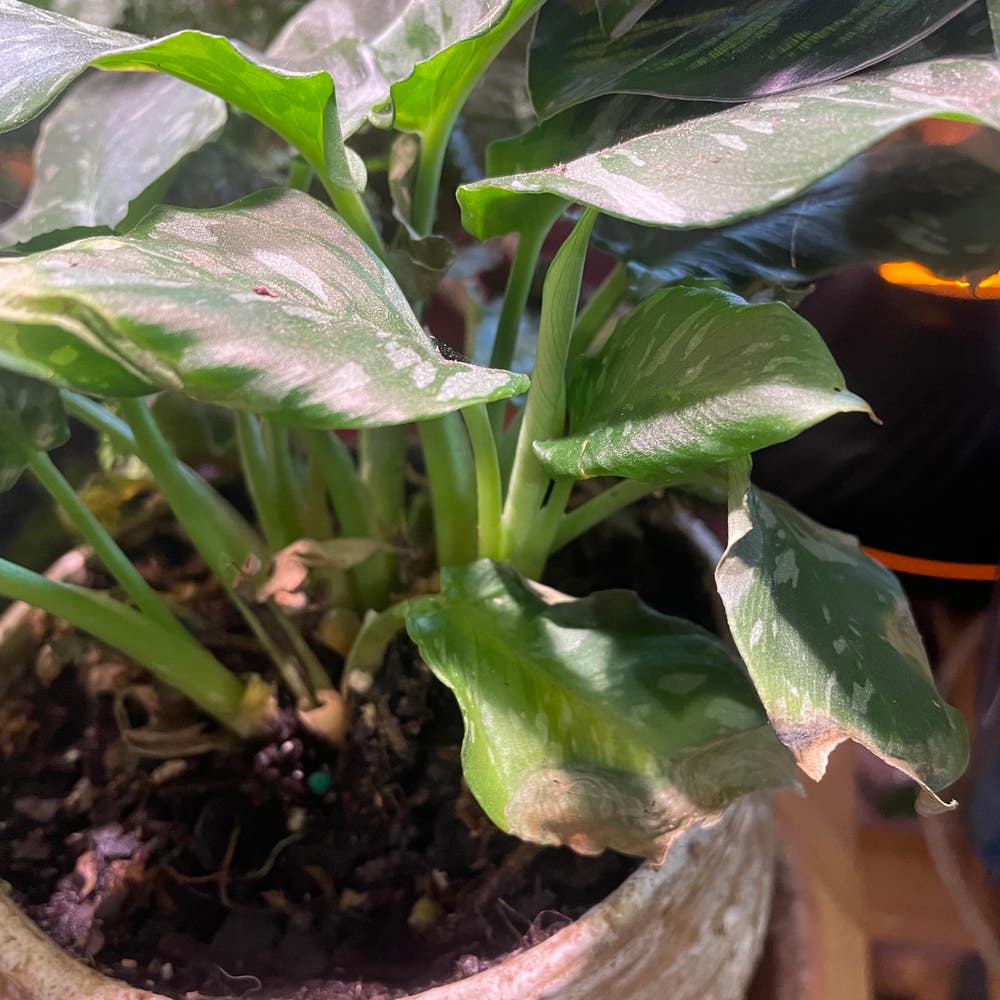
Wilting leaves on your Schismatoglottis 'Thailand' are red flags for water distress. If the leaves are turning yellow or brown, it's time to reassess your watering habits.
Over-watering can lead to a soil that's too wet, causing root rot, while under-watering leaves the soil dry and your plant drooping. Adjust your watering schedule based on the soil's moisture level—stick a finger in; if it's damp, hold off on the water; if it's dry, it's time to hydrate.
🌱 Leggy Growth or Discolored Leaves
Leggy growth and discolored leaves are your plant's way of saying it's not getting enough light. Schismatoglottis 'Thailand' needs bright, indirect sunlight to thrive.
Place your plant where it can bask in plenty of light without getting scorched. Rotate it regularly to ensure even growth. If the leaves start to fade or the plant becomes spindly, consider moving it closer to a light source. Remember, consistency is key—steady light keeps your Schismatoglottis 'Thailand' happy.
Water Woes: Finding the Balance
💦 Over-watering and Root Rot
Over-watering is like giving your plant an unwanted bath. Root rot sets in when your Schismatoglottis 'Thailand' can't escape the soggy conditions. Look for leaves that are yellowing or dropping off like they've given up on life. If the soil feels like a wet sponge, it's time to intervene.
- Cease watering immediately. Let the soil go from swamp to slightly damp.
- Trim damaged roots that have turned into mush. It's like plant surgery, but necessary.
- Adjust your watering schedule. Watch your plant's reaction like a hawk and adapt accordingly.
🏜️ Under-watering and Dry Spells
Under-watering turns your Schismatoglottis 'Thailand' into a drought drama queen. Wilting, dry leaves, and soil pulling away from the pot's edge are your plant's way of crying out for a drink.
- Rehydrate slowly. Don't drown your plant in your eagerness to fix the problem.
- Consistent schedule is key. Get into a rhythm like a good watering DJ, keeping the beats regular but not overwhelming.
Temperature and Environmental Stress
🌡️ Too Hot, Too Cold, Just Right
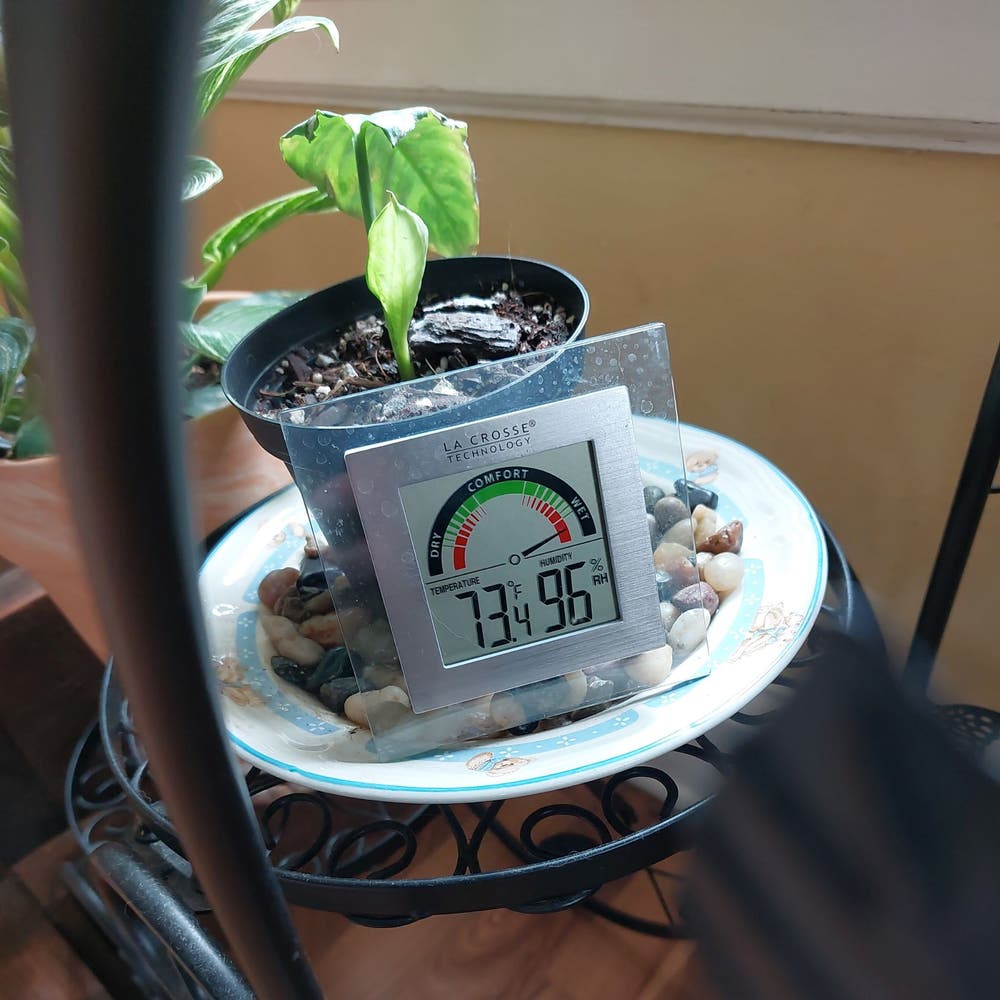
Temperature stress in Schismatoglottis 'Thailand' can manifest through droopy leaves or a general appearance of malaise. To create a stable environment, aim for a consistent temperature range between 65-78°F (18-25°C), mimicking the plant's natural tropical habitat.
🎯 Spotting Temperature Stress
Leaves that seem to be in a perpetual state of wilt or those that crisp at the edges are likely broadcasting a heat distress signal. On the flip side, a plant that's too cold may have leaves that are soft and darkened, indicating chill damage.
🏠 Creating a Stable Environment
Keep your Schismatoglottis 'Thailand' away from drafty windows and direct blasts from heating or cooling systems. Stability is the name of the game. Use thermometers to monitor the environment and adjust accordingly.
🍂 Adjusting with the Seasons
As the seasons change, so should your care routine. During colder months, you might need to move your plant to a warmer spot or provide some extra warmth with a grow light. In the heat of summer, ensure your plant isn't near a window that turns into a magnifying glass by midday.
Remember, your Schismatoglottis 'Thailand' isn't looking for a rollercoaster ride of temperature changes. Keep it steady, and you'll avoid sending your plant into a state of shock.
Pests and Pathogens: Unwanted Guests
🐞 Pests: The Telltale Signs
Spider mites, aphids, and mealybugs are the usual suspects when it comes to Schismatoglottis 'Thailand' pests. These tiny vampires suck the sap from leaves, leaving behind telltale signs like yellowing, stunted growth, and a sticky residue known as honeydew. This gooey mess can attract sooty mold, which is as unattractive as it sounds.
To combat these critters, introduce natural predators like ladybugs, or apply horticultural oils and insecticidal soaps. Remember, it's a targeted strike—full coverage, no overkill.
🍄 Mold and Fungus: Prevention and Cure
Mold and mildew are the silent party crashers, often going unnoticed until they've made themselves at home with black spots or a powdery residue. They love dampness and poor air circulation, so to keep them at bay, improve airflow and let the sunlight in.
If mold has already moved in, it's time for a fungicide intervention. But don't just treat the symptoms; change the environment. Keep your plant's living area dry and breezy to prevent these uninvited guests from returning. It's like being a bouncer at your plant's exclusive party—no freeloaders allowed.
⚠️ Safety First
This content is for general information and may contain errors, omissions, or outdated details. It is not medical, veterinary advice, or an endorsement of therapeutic claims.
Always consult a qualified healthcare professional before using any plant as food, medicine, or supplement.
Never eat any plant (or feed one to pets) without confirming its identity with at least two trusted sources.
If you suspect poisoning, call Poison Control (800) 222-1222, the Pet Poison Helpline (800) 213-6680, or your local emergency service immediately.
Spotted an error? Please report it here.
Ensure your Schismatoglottis 'Thailand' never wilts on your watch by spotting early distress signs and using Greg to tailor a perfect care routine 🌿.