How Should Schismatoglottis 'Thailand' Be Cut Back?
Schismatoglottis 'Thailand'
By the Greg Editorial Team
Mar 19, 2024•3 min read
This article was created with the help of AI so we can cover more plants for you. May contain errors. See one? Report it here.
- Spring pruning promotes vigorous Schismatoglottis 'Thailand' growth.
- 🌿 Sharp, clean tools are crucial for healthy cuts and disease prevention.
- Post-prune care includes watering, feeding, and monitoring for stress.
Best Times to Get Snipping
🌱 Seasonal Pruning Tips
Spring is prime time for pruning Schismatoglottis 'Thailand'. This period aligns with the plant's natural growth spurt, setting the stage for a season of vigorous development. Pruning during this time is akin to pressing the refresh button, providing a clean slate for the plant to flourish anew.
Watch for the Signs
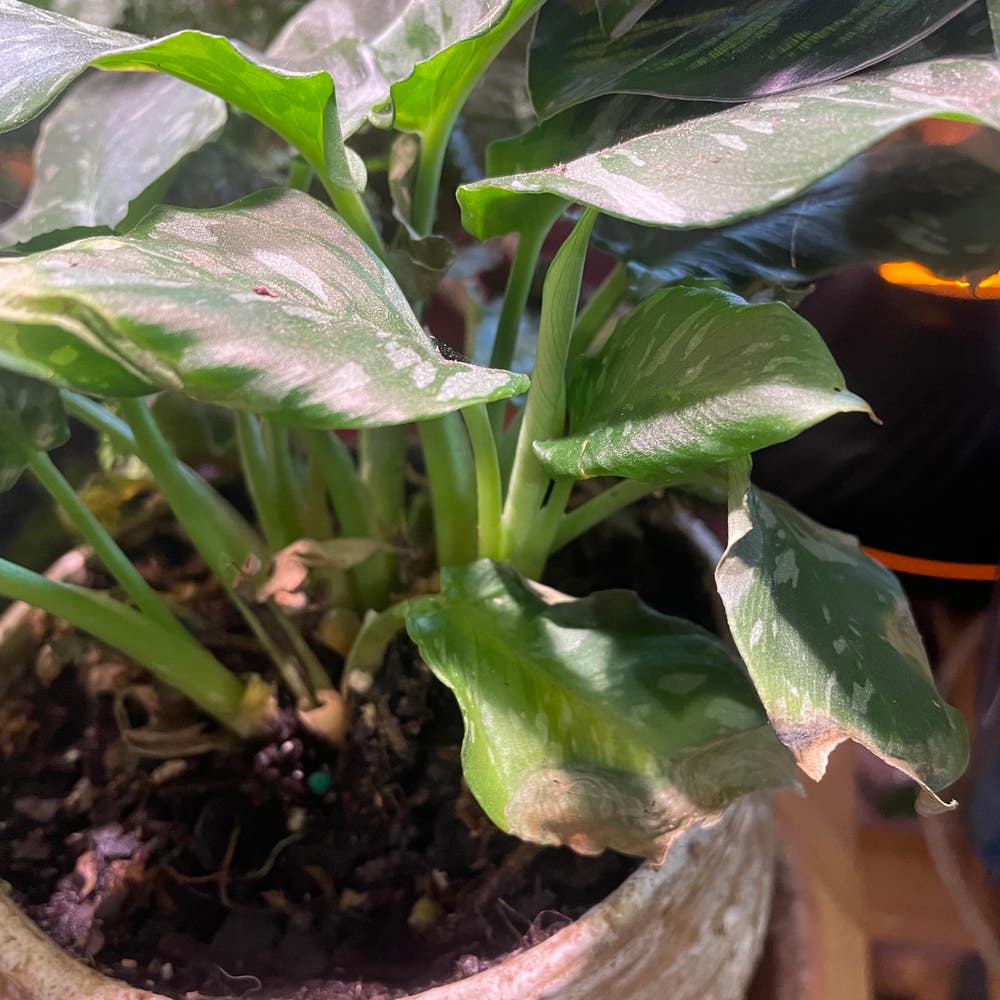
Yellowing leaves and overcrowded stems are clear indicators that your Schismatoglottis 'Thailand' is pleading for a trim. These signs suggest that the plant's energy is being misdirected to areas that no longer contribute to its health or aesthetic appeal. Pruning before the plant's bloom cycle kicks into full gear is strategic, allowing for a more impressive display of foliage and blooms in the season ahead.
Gear Up: Choosing Your Pruning Tools
🛠️ The Right Tools for the Job
Selecting the right tools is crucial for the delicate task of pruning Schismatoglottis 'Thailand'. Sharpness is non-negotiable; dull blades can crush stems, leading to plant stress and disease. Opt for pruning shears or scissors that make clean, precise cuts. Comfort matters too – your tools should feel like a natural extension of your hand.
🧼 Keeping It Clean
Cleanliness is paramount when it comes to pruning tools. After each use, a good scrub with a wire brush removes sap and debris. Disinfect blades with alcohol; think of it as a flu shot for your plant. This step is essential to prevent the spread of disease and keep your Schismatoglottis 'Thailand' in top health. Remember, a clean cut is a happy cut.
Pruning with Purpose
🌳 Shaping the Aesthetics
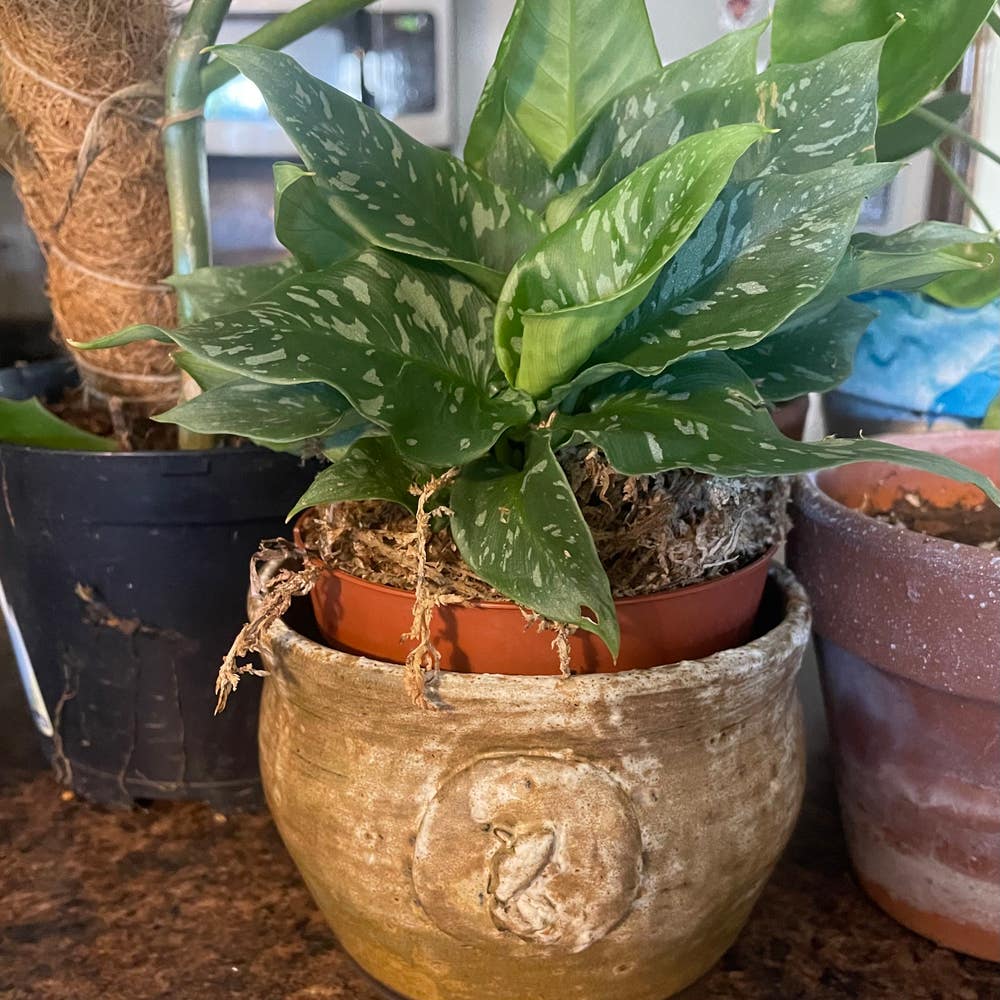
Pruning isn't just a chop here and a snip there; it's about vision. To achieve that magazine-worthy silhouette, you've got to play the part of an artist. Visualize the ideal shape of your Schismatoglottis 'Thailand' before you go in with the shears. Trim more in the bushy spots to even out the growth, but remember, it's a haircut, not a head shave—don't remove more than 25% of the plant at once.
🏥 Cutting for Health
When it comes to plant health, think of yourself as a surgeon. Your mission: excise the sick to save the healthy. Identify any yellowing or dead leaves, and cut them off to prevent potential disease spread. Look for limbs that are overcrowded and could be stifling your plant's vibe—these are the parts that need to go. Keep those cuts clean and your tools sterile; it's not just about aesthetics, it's about keeping your green buddy in the prime of health.
Post-Pruning TLC
🌿 The Recovery Plan
After a pruning session, watering is your Schismatoglottis 'Thailand's' first aid. It's crucial to strike a balance—keep the soil moist, but dodge the swampy territory. Feeding comes next; hold off on the fertilizer until you spot new growth. Then, a diluted liquid fertilizer monthly during the growing season will be your green thumb's secret weapon.
🚨 Monitoring for Stress
Post-trim vigilance is key. Keep an eye out for drooping leaves or discoloration. These are your plant's distress signals. If you see them, don't hit the panic button—adjust your care routine instead. Remember, your plant isn't auditioning for a drama; it's just asking for a bit more attention.
⚠️ Safety First
This content is for general information and may contain errors, omissions, or outdated details. It is not medical, veterinary advice, or an endorsement of therapeutic claims.
Always consult a qualified healthcare professional before using any plant as food, medicine, or supplement.
Never eat any plant (or feed one to pets) without confirming its identity with at least two trusted sources.
If you suspect poisoning, call Poison Control (800) 222-1222, the Pet Poison Helpline (800) 213-6680, or your local emergency service immediately.
Spotted an error? Please report it here.
Revitalize your Schismatoglottis 'Thailand' 🌿 with spring pruning, and rely on Greg for tailored recovery tips and reminders to ensure your plant thrives.