What Does It Mean When Schismatoglottis 'Thailand' Blooms?
Schismatoglottis 'Thailand'
By the Greg Editorial Team
Mar 19, 2024•5 min read
This article was created with the help of AI so we can cover more plants for you. May contain errors. See one? Report it here.
- 🌱 Blooms indicate health, maturity, and readiness for reproduction.
- ☀️🌡️ Bright light, correct temperature and humidity are key for flowering.
- ✂️ Prune and maintain soil moisture to encourage more blooms.
When Schismatoglottis 'Thailand' Decides to Bloom
🌸 The Blooming Cycle: What to Expect
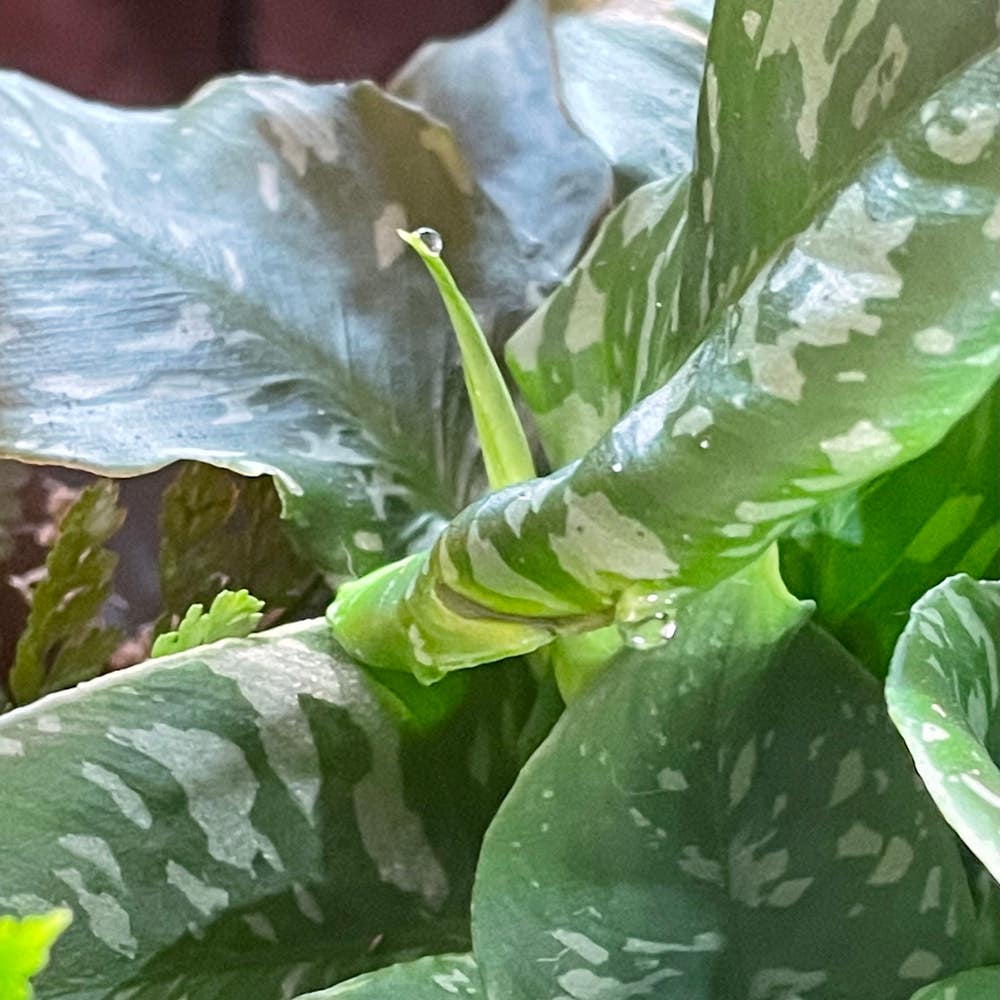
The journey from bud to bloom in Schismatoglottis 'Thailand' is a botanical milestone. Initially, you'll notice the spadix, a quirky finger-like structure, which is your cue that the show is about to start. Tiny flowers will soon emerge, though they're not the main attraction. The foliage remains the plant's pièce de résistance.
Healthy growth is mirrored in the blooming cycle. If your plant's putting on a floral display, take it as a thumbs-up for your care routine. It's like the plant's nod of approval, indicating you've got the conditions just right.
🌺 The Big Reveal: Significance of Flowers
When Schismatoglottis 'Thailand' flowers, it's not throwing confetti for the heck of it. Blooms are a telltale sign of maturity and vitality. Think of it as the plant's graduation ceremony, celebrating its journey from a sprightly seedling to a full-fledged foliage superstar.
Flowers also mean your green companion is vigorous enough to think about reproduction. It's the plant's way of saying, "I'm ready to take things to the next level." Sure, the flowers may be modest, but in the plant world, they're a big deal.
Setting the Stage for Spectacular Blooms
💡 Light It Up: The Role of Lighting
Bright, indirect sunlight is the backstage pass for Schismatoglottis 'Thailand' blooms. Aim for a sweet spot of 4 to 6 hours of this quality light daily. Too little, and the plant's blooming ambition hits snooze; too much, and you're dialing up the stress.
Adjust plant positioning with the seasons to maintain this delicate balance. Use grow lights if the sun is playing hard to get, and don't forget to mimic natural day and night rhythms—plants can't tell time, but they sense the light.
🌡 Feeling the Heat: Temperature and Humidity Factors
Temperature and humidity are the dynamic duo in the blooming saga. Keep it tropical—think warm days and slightly cooler nights to mimic the plant's natural habitat. The ideal range? Cozy up to 65°F to 75°F.
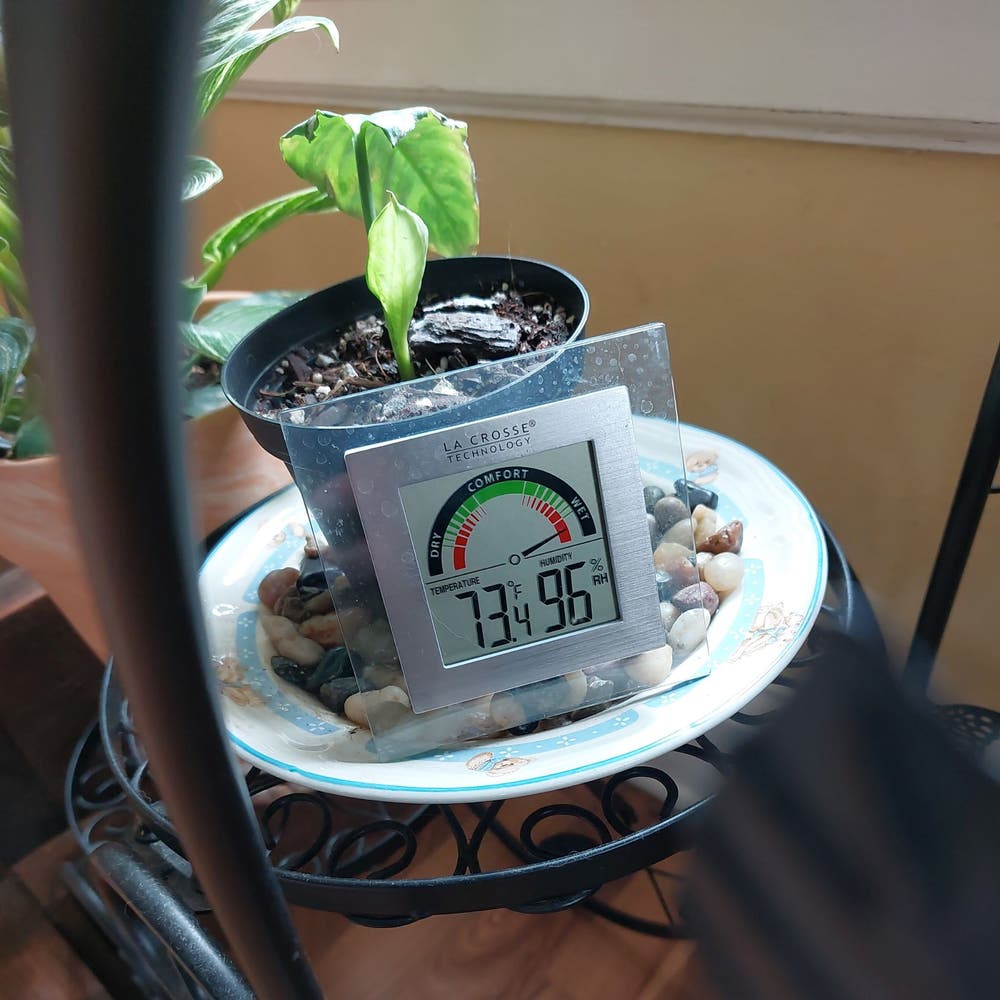
Humidity is the silent cheerleader, rooting for blooms in the 40%-60% range. Too swampy, and you're in trouble; too arid, and the plant's enthusiasm wilts. Group plants to create a microclimate, or use a humidifier to keep the vibe just right.
🚰 Thirsty Roots: Watering for Flower Success
Watering is less about routine and more about reading the room—or pot. Keep the soil consistently moist, like a well-made sponge cake, but never soggy. Overwatering is a one-way ticket to root rot city, and that's no place for blooms.
Seasons change the game. Summer might call for weekly watering, while winter whispers for restraint. Remember, it's not just about quenching thirst; it's about setting the stage for a floral encore.
Feeding the Bloom: Nutrition and Fertilization
🌸 The Right Diet for a Blooming Schismatoglottis
Balanced nutrition is non-negotiable for a blooming Schismatoglottis 'Thailand'. The trio of nitrogen, phosphorus, and potassium, commonly referred to as N-P-K, is the plant equivalent of a breakfast of champions. Phosphorus gets the spotlight here; it's the bloom booster. But don't get heavy-handed—overfeeding can backfire, leaving you with lush leaves and zero blooms. Stick to a monthly fertilization schedule during the spring and summer, when the plant is in its growth phase.
🌱 Soil Matters: Prepping the Perfect Bed
Soil is more than just dirt—it's the Schismatoglottis 'Thailand's' home, pantry, and wardrobe, all rolled into one. Aim for a well-draining mix that's like a cozy yet breathable bed for the roots. Slightly acidic to neutral pH is the sweet spot for this plant. If you're feeling fancy, repotting with fresh soil in early spring can be like throwing a housewarming party for your plant's roots, setting the stage for the bloom fiesta to come.
Pruning for Blooms: Encouraging Flowering Through Maintenance
✂️ Snip and Shape: Pruning Practices
Pruning isn't just a trim; it's strategic shaping for future blooms. Snip above a leaf node to encourage branching and more flowers. Use clean, sharp shears for precise cuts, avoiding plant stress and disease. Remember, every cut is a choice with consequences for your Schismatoglottis 'Thailand'.
🌸 After the Bloom: Post-Flowering Care
Post-bloom, it's cleanup time. Remove spent blooms to redirect energy to new growth. This isn't just about aesthetics; it's about giving your plant the best shot at a repeat performance. Keep an eye out for yellowing leaves too—they're energy drainers. Snip them off, and watch your plant get ready for its next big show.
Solving the No-Bloom Blues: Troubleshooting Tips
🕵️ Investigating the Causes: Why Isn't My Plant Blooming?
When your Schismatoglottis 'Thailand' is as barren as a winter branch, it's time to play detective. The usual suspects? Light, nutrients, and water. Too much nitrogen and you're nurturing a foliage fortress sans flowers. Skimp on phosphorus, and you're basically trying to run a car without fuel. If your plant's stuck in the shade, don't expect a floral parade. And pests? Those little buggers can nip your bloom dreams in the bud.
Turning Things Around: Corrective Measures
To shift from foliage to flowers, tweak your care routine. Think of it as a plant intervention. If it's lurking in the dim, introduce it to some sunlight or a grow light. Swap that high-nitrogen feed for a phosphorus-rich pick-me-up. Watering? Aim for the Goldilocks zone; not too much, not too little. If blooms still play hard to get, consider a consultation with a local horticulturist – they're like plant therapists.
⚠️ Safety First
This content is for general information and may contain errors, omissions, or outdated details. It is not medical, veterinary advice, or an endorsement of therapeutic claims.
Always consult a qualified healthcare professional before using any plant as food, medicine, or supplement.
Never eat any plant (or feed one to pets) without confirming its identity with at least two trusted sources.
If you suspect poisoning, call Poison Control (800) 222-1222, the Pet Poison Helpline (800) 213-6680, or your local emergency service immediately.
Spotted an error? Please report it here.
Ensure your Schismatoglottis 'Thailand' flourishes 🌼 with Greg's personalized care reminders for the right light, temperature, and nutrients to see those blooms!